Chinese Recipes
Authentic Chinese recipes — stir-fries, dumplings, Sichuan, Cantonese, and regional techniques across eight culinary traditions.
25 recipes
Flavor Profile
China's eight great culinary traditions represent more diversity than most people realize — Sichuan's numbing heat, Cantonese dim sum, Shandong's seafood, Hunan's smoked chili, Fujian's soups, Jiangsu's refined sweetness, Anhui's wild herbs, and Zhejiang's fresh simplicity. Each region developed its cuisine around local ingredients, climate, and trade routes over thousands of years.
The wok is the universal tool, and wok hei — the smoky, charred flavor that comes from cooking over extreme heat — is the single most transformative technique in Chinese cooking. Professional wok burners produce 100,000+ BTUs (a home stove produces 10,000-15,000), which is why restaurant stir-fries taste different from home versions. But understanding the principle — screaming hot pan, small batches, constant motion — gets you 80% of the way there on any stove.
Chinese cooking also gave the world some of its most important preservation and fermentation techniques. Soy sauce, tofu, tea, and vinegar all originated in China. The dumpling traditions alone — jiaozi, wontons, baozi, siu mai, har gow — represent centuries of regional innovation around the same basic idea: filling wrapped in dough.
You already know this
- If you make fried rice at home → you're already doing Chinese cooking — now learn to get the wok hot enough for real wok hei
- If you like dumplings from a restaurant → homemade dumplings are easier than you think — the filling is just ground pork, ginger, and scallions
One ingredient, many recipes
soy sauce
Soy sauce, sesame oil, and rice vinegar — three bottles that unlock all of Chinese cooking
What's in season — spring
Stir-fried greens, spring rolls, and light broths
Chinese
25 recipes
Asian Chicken Lettuce Wraps
Asian chicken lettuce wraps with savory ground chicken, water chestnuts, and hoisin in butter lettuce.

Asian Sesame Chicken Salad
Asian sesame chicken salad with crunchy cabbage slaw, ginger dressing, and crispy wonton strips.

Beef and Broccoli
Beef and broccoli stir-fry with velveted flank steak and a savory garlic-ginger sauce over rice.

Cantonese Steamed Fish
The Cantonese way — whole fish steamed with ginger, scallion, and sizzling soy.
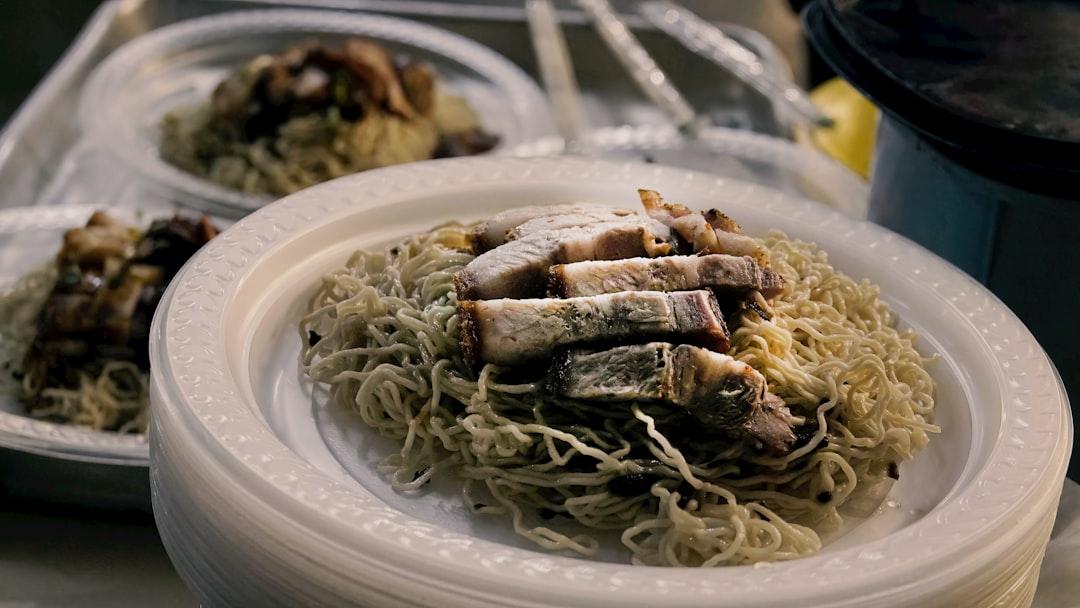
Char Siu (Chinese BBQ Pork)
Char Siu (Chinese BBQ Pork) — a Chinese main dish Ready in 60 minutes. Perfect for weeknight cooking.

Chicken and Vegetable Stir-Fry
Chicken and vegetable stir-fry with velveted breast meat and a savory garlic-ginger sauce over rice.