sides · potatoes
Hawaiian Macaroni Salad
Creamy Hawaiian macaroni salad with overcooked pasta and tangy mayo dressing. The essential plate lunch side.

Nutrition (per serving)
285
Calories
5g
Protein
30g
Carbs
16g
Fat
1g
Fiber
Ingredients
Method
-
Cook the macaroni in heavily salted boiling water for 2-3 minutes longer than the package directions. You want it soft and slightly mushy — not al dente. This goes against everything Italian cooking teaches, but Hawaiian mac salad requires overcooked pasta that can absorb the dressing like a sponge. The starch released by overcooking also helps the dressing cling to each piece.
-
Drain the pasta but don't rinse it. The surface starch helps the dressing adhere. Transfer to a large bowl and immediately add the apple cider vinegar, sugar, and salt while the pasta is still hot. Toss to coat. The hot pasta absorbs the vinegar and seasoning — this is the same principle as dressing potato salad while the potatoes are warm.
-
Let the pasta cool for 10 minutes — warm enough to absorb dressing but not so hot that it melts the mayo. Add the mayonnaise and milk, stirring until every piece is coated in a creamy, slightly loose dressing. It should look too wet at this stage — the pasta will continue absorbing moisture as it cools.
-
Fold in the grated carrot, scallions, and diced eggs (if using). The carrot adds a subtle sweetness and color. The scallions add a mild onion bite. Keep the add-ins minimal — Hawaiian mac salad is about the creamy pasta, not the mix-ins.
-
Season with white pepper and taste. It should be creamy, slightly tangy from the vinegar, and well-salted. White pepper is traditional — it provides gentle heat without the visual specks of black pepper.
-
Refrigerate for at least 1 hour before serving. The flavors meld and the pasta absorbs more dressing, reaching the ideal creamy consistency. Before serving, check the texture — if it's too thick, stir in a splash of milk. Hawaiian mac salad should be creamy and scoopable, never dry or clumpy. Serve as part of a plate lunch alongside rice and any Hawaiian main.
Equipment
- Large pot Recommended: Lodge 6-Quart Enameled Cast Iron Dutch Oven
- Mixing bowls Recommended: Vollrath Stainless Steel Mixing Bowls Set
- Colander Recommended: OXO Good Grips 5-Quart Stainless Steel Colander
Chef Notes
- The most important thing: Overcook the pasta. Yes, really. Hawaiian mac salad uses pasta cooked 2-3 minutes past al dente — soft, slightly mushy, and able to absorb the dressing. This is the opposite of Italian pasta rules, and it's intentional. The soft pasta soaks up the creamy dressing and creates the distinctive texture.
- Best Foods (Hellmann's on the East Coast) is the traditional mayo. Japanese Kewpie also works well and adds extra richness. Don't use Miracle Whip — it's too sweet.
- The salad must be dressed while the pasta is still warm. Warm pasta absorbs the dressing; cold pasta just sits in it.
- Add more milk or mayo the next day — the pasta continues to absorb moisture overnight. Hawaiian mac salad should always be creamy, never dry.
- This is the mandatory side dish on every Hawaiian plate lunch — alongside rice and a protein like kalua pork, chicken katsu, or loco moco.
Common Substitutions
| Ingredient | Substitution | Notes |
|---|---|---|
| Best Foods mayo | Kewpie mayo | Richer and tangier — use slightly less |
| Elbow macaroni | Small shells or rotini | Any small pasta that holds dressing works |
| Apple cider vinegar | Rice vinegar | Slightly milder — both work well |
| Whole milk | Evaporated milk | Richer, more traditional in some Hawaiian recipes |
What You're Practicing
Hawaiian mac salad teaches an important lesson: rules are contextual. Overcooking pasta is wrong in Italian cooking but essential here. Understanding when and why to break conventional rules — and what the trade-offs are — is a sign of cooking maturity. The technique of dressing warm pasta (or potatoes, or grains) to maximize absorption is universal and applies across cuisines. Visit Techniques for more on temperature and seasoning absorption.
The dressing-while-warm principle here is the same one used in German potato salad, French lentil salad, and Japanese sushi rice. Warm starches absorb liquid and seasoning more effectively than cold ones because heat keeps the starch granules open and receptive. This is food science you can apply to any composed salad or grain dish.
Video Resources
Some equipment and ingredient links are affiliate links. We earn a small commission at no extra cost to you. Learn more
Comments (0)
Sign in to commentNo comments yet. Be the first to share your thoughts.
Frequently Asked Questions
- Can I make Hawaiian Macaroni Salad ahead of time?
- Yes. overnight.
- How do I store leftover Hawaiian Macaroni Salad?
- Store in an airtight container in the refrigerator for 3-4 days. Most sides reheat well in the oven at 350°F for 10-15 minutes.
- Can I freeze Hawaiian Macaroni Salad?
- Most cooked sides freeze well for 2-3 months. Soups and stews freeze especially well. Avoid freezing dishes with high dairy content — they can separate when thawed.
- How many servings does this recipe make?
- This recipe serves 6. You can scale the ingredients up or down proportionally — use the Meal Plan servings slider to adjust the grocery list automatically.
- Is Hawaiian Macaroni Salad a quick recipe?
- Yes — this recipe is ready in 25 minutes including prep time, making it perfect for busy weeknights.
- Is Hawaiian Macaroni Salad vegetarian?
- Yes — this recipe is vegetarian. Check the Common Substitutions section for additional dietary adaptations.
- Is this an authentic Hawaiian recipe?
- This recipe follows traditional Hawaiian techniques and ingredients. The Chef Notes section explains any adaptations for home kitchen accessibility and suggests authentic alternatives where substitutions are made.
- What substitutions can I make for Hawaiian Macaroni Salad?
- See the Common Substitutions section above for ingredient and equipment swaps with specific trade-off notes for each alternative.
You Might Also Like

Baba Ganoush
Baba ganoush with charred eggplant and tahini — smoky, creamy, and deeply savory.

Baked Mac and Cheese (American Classic)
Creamy béchamel-based mac and cheese with sharp cheddar, Gruyère, and a golden panko crust.

Baked Sweet Potato Fries
Baked sweet potato fries with a cornstarch coating for crispy edges and sriracha mayo for dipping.
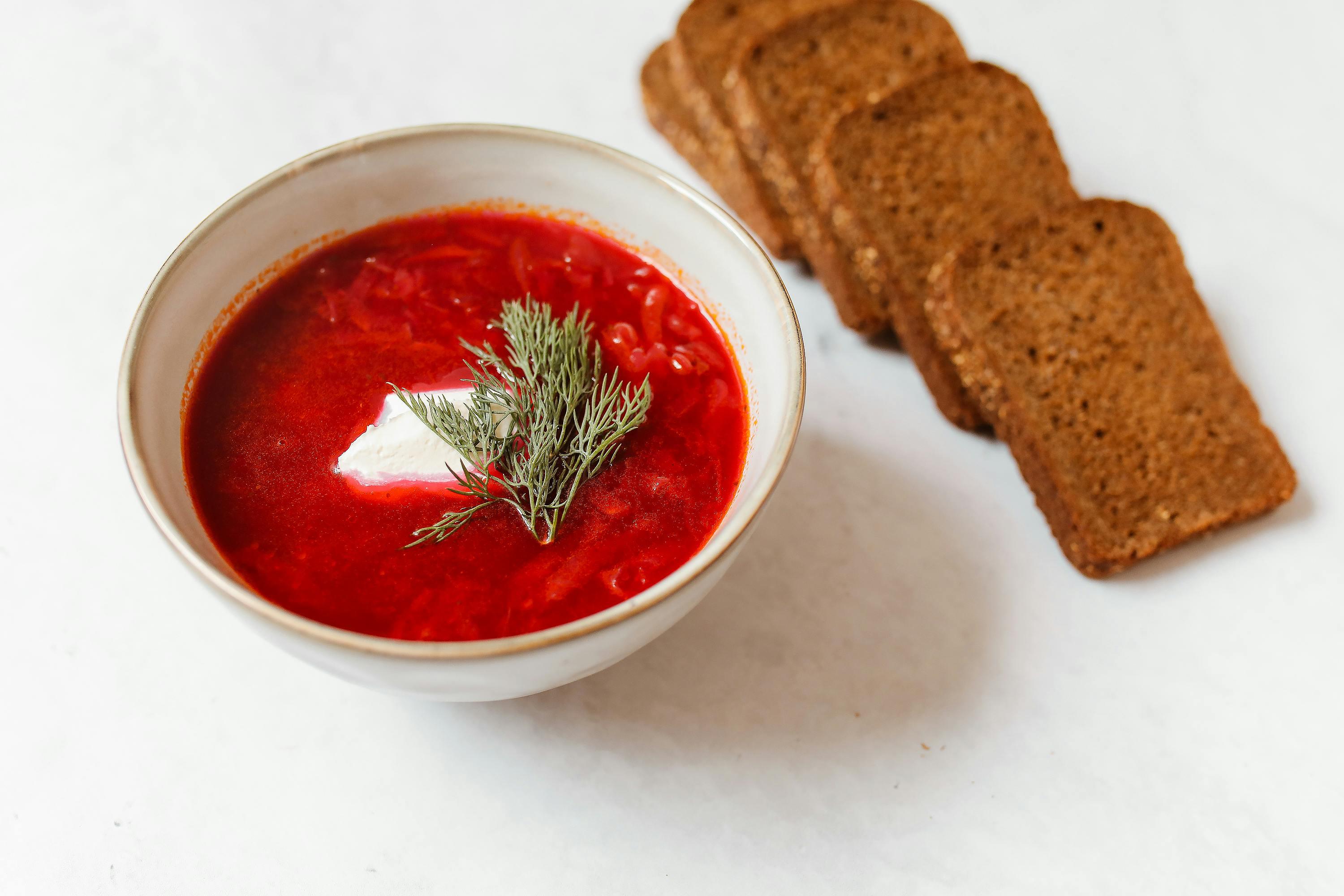
Borscht (Ukrainian Beet Soup)
Ukrainian borscht with beets, cabbage, and a dollop of sour cream. A one-pot comfort soup that feeds a crowd.