grains · Pasta
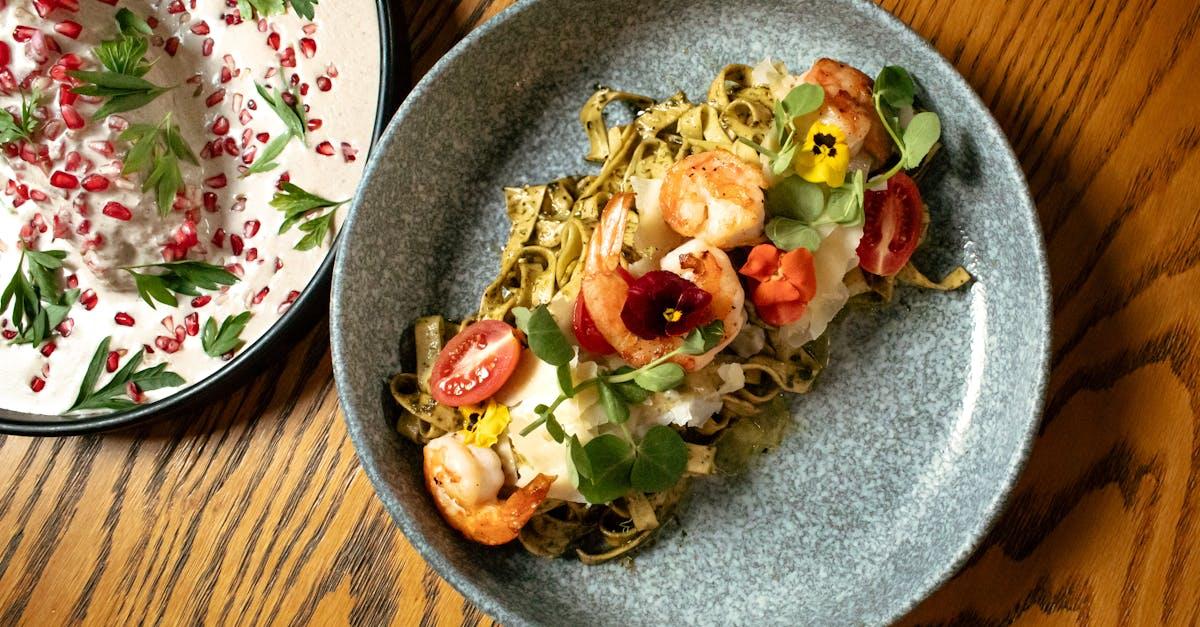
Pasta al Pesto Genovese
Fresh basil pesto — the raw sauce that needs no cooking.
Nutrition (per serving)
420
Calories
14g
Protein
52g
Carbs
16g
Fat
3g
Fiber
Ingredients
Method
-
Toast the pine nuts in a dry skillet over medium-low heat for 2 minutes, shaking frequently, until golden. Transfer to a plate immediately — they continue cooking in a hot pan.
-
Make the pesto. Combine basil, toasted pine nuts, garlic, and a pinch of salt in a food processor. Pulse 8–10 times until coarsely chopped. Add the Parmesan and pulse 3–4 more times. With the processor running, drizzle in the olive oil in a steady stream. Stop when the pesto is combined but still has visible texture — not a smooth purée. Stir in the lemon juice. Taste and adjust salt.
-
Cook the pasta in well-salted water until al dente. Reserve 1.5 cups of pasta water before draining.
-
Combine off heat. Transfer the hot pasta to a large bowl or skillet (off the burner). Add the pesto and 1/2 cup of pasta water. Toss vigorously — the heat from the pasta warms the pesto without cooking it, and the starchy water loosens it into a coating consistency. Add more pasta water until every strand is glossy and green.
-
Serve immediately with extra Parmesan. Pesto pasta doesn't hold — the sauce oxidizes and the pasta absorbs the moisture. Eat it now.
Equipment
- Food processor (or mortar and pestle for traditional method) Recommended: Cole & Mason Granite Mortar and Pestle
- Large pot (for pasta) Recommended: Lodge 6-Quart Enameled Cast Iron Dutch Oven
- Large skillet or bowl Also good: Tramontina Professional 10-Inch Non Stick Frying Pan
- Tongs Also good: Wok Spatula
Chef Notes
- The most important thing: Don't cook the pesto. It's a raw sauce — heat dulls the bright green color and the fresh basil flavor. Toss it with hot pasta off heat, using pasta water to loosen.
- Toast the pine nuts in a dry skillet until golden — 2 minutes, shaking constantly. They go from toasted to burned in seconds. Toasting deepens their flavor dramatically.
- Use the best olive oil you have. In a raw sauce with 5 ingredients, the oil's flavor is fully exposed. Cheap oil tastes like cheap oil.
- Pulse in a food processor, don't blend smooth. Pesto should have texture — visible bits of basil and pine nut. Over-processing makes it into a green paste.
- Pesto oxidizes (turns brown) within hours. Make it fresh and use immediately, or press plastic wrap directly onto the surface to prevent air contact.
Common Substitutions
| Ingredient | Substitution | Notes |
|---|---|---|
| Pine nuts | Walnuts or almonds | Walnuts are earthier and cheaper. Almonds are milder |
| Basil | Arugula or spinach | Arugula pesto is peppery; spinach is milder. Both are good |
| Parmigiano-Reggiano | Pecorino Romano | Sharper and saltier — use 1/3 cup |
| Food processor | Mortar and pestle | Traditional method — produces a more rustic, textured pesto |
| Spaghetti | Trofie or gemelli | Trofie is the traditional Ligurian pasta for pesto |
What You're Practicing
Pesto teaches you the raw sauce — a preparation where no heat is applied and the quality of each ingredient is fully exposed. The same principle applies to salsa verde, chimichurri, and gremolata. In raw sauces, technique means restraint: don't over-process, don't overcook, don't mask the ingredients. Visit Vinaigrettes for more on raw sauces.
You're also learning the mortar-and-pestle tradition — even if you use a food processor, understanding that pesto was originally pounded (pestare = to pound) connects you to the technique's origins. Explore more at Techniques.
Video Resources
Some equipment and ingredient links are affiliate links. We earn a small commission at no extra cost to you. Learn more
Comments (0)
Sign in to commentNo comments yet. Be the first to share your thoughts.
Frequently Asked Questions
- Can I make Pasta al Pesto Genovese ahead of time?
- Yes — prep the components up to a day ahead and store covered in the refrigerator. Reheat gently or bring to room temperature before serving.
- How do I store leftover Pasta al Pesto Genovese?
- Store in an airtight container in the refrigerator for up to 4 days. Reheat with a splash of water or broth — pasta and rice dry out as they cool.
- Can I freeze Pasta al Pesto Genovese?
- Cooked pasta dishes freeze well for 2-3 months. Undercook the pasta slightly before freezing since it softens when reheated. Rice freezes well in portioned containers.
- How many servings does this recipe make?
- This recipe serves 4. You can scale the ingredients up or down proportionally — use the Meal Plan servings slider to adjust the grocery list automatically.
- Is Pasta al Pesto Genovese a quick recipe?
- Yes — this recipe is ready in 20 minutes including prep time, making it perfect for busy weeknights.
- Is Pasta al Pesto Genovese vegetarian?
- Yes — this recipe is vegetarian. Check the Common Substitutions section for additional dietary adaptations.
- Is this an authentic Italian recipe?
- This recipe follows traditional Italian techniques and ingredients. The Chef Notes section explains any adaptations for home kitchen accessibility and suggests authentic alternatives where substitutions are made.
- What substitutions can I make for Pasta al Pesto Genovese?
- See the Common Substitutions section above for ingredient and equipment swaps with specific trade-off notes for each alternative.
You Might Also Like

Classic Fried Rice
Day-old rice stir-fried with egg, vegetables, and soy sauce — the Chinese takeout staple done right at home.

Coconut Rice
Fragrant jasmine rice cooked in coconut milk — a Southeast Asian and Caribbean staple, ready in 20 minutes.

Cacio e Pepe
Pecorino and black pepper pasta — Rome's simplest and most demanding dish, with just 3 ingredients.

Cacio e Pepe Risotto
The cacio e pepe flavor profile applied to risotto — creamy, peppery, cheesy.