sides · soup
Nabemono (Japanese Hot Pot with Ponzu)
Nabemono — a communal Japanese hot pot with tofu, vegetables, and protein in kombu dashi. Dip in ponzu.

Nutrition (per serving)
310
Calories
26g
Protein
22g
Carbs
12g
Fat
4g
Fiber
Ingredients
For the broth:
For the pot (choose your combination):
For the ponzu dipping sauce:
Method
-
Make the kombu dashi. Place the kombu in a pot with 6 cups of cold water and let it soak for 30 minutes if you have time (or skip straight to heating). Heat over medium until small bubbles appear around the edges — about 160°F. Remove the kombu just before the water boils. Boiling kombu releases bitter, slimy compounds. This gentle extraction is the foundation of Japanese stock-making and produces a clean, umami-rich broth from a single ingredient.
-
Season the broth with sake and salt. Bring to a gentle simmer. The broth should be light and clean — it's a cooking medium, not a soup. The ingredients you add will release their own flavors into the broth as they cook, building complexity with each addition.
-
Mix the ponzu dipping sauce by combining soy sauce, citrus juice, rice vinegar, mirin, grated daikon, and scallion. Each diner gets their own small bowl of ponzu. The sauce provides all the seasoning — the broth stays neutral so it doesn't overpower the individual ingredients.
-
Arrange all the raw ingredients on a large platter — the meat sliced thin, the tofu cubed, the vegetables cut and the mushrooms trimmed. Nabemono is a communal, interactive meal. The presentation of raw ingredients is part of the experience — colors, textures, and shapes arranged with care.
-
Cook at the table if you have a portable burner, or bring the simmering pot to the table. Add ingredients in batches, starting with items that take longest (carrots, napa cabbage stems) and finishing with quick-cooking items (thinly sliced meat, enoki mushrooms, glass noodles, tofu). Each person picks cooked items from the pot with chopsticks and dips in their ponzu.
A simmer means small bubbles gently breaking the surface — not a rolling boil. Aggressive boiling toughens proteins and causes sauces to reduce too quickly, concentrating flavors unevenly.
-
Finish with the noodles. After most of the protein and vegetables are eaten, add the soaked glass noodles to the enriched broth. By now the broth has absorbed flavors from everything that cooked in it — it's become a rich, complex soup. The noodles soak up this concentrated broth. In Japan, this final noodle course (shime) is considered the best part of the meal.
Equipment
- Large pot or donabe (Japanese clay pot)
- Portable burner (optional, for tableside cooking)
- Small dipping bowls
Chef Notes
- The most important thing: Remove the kombu before the water boils. This single rule is the difference between clean, elegant dashi and bitter, slimy broth. Watch for small bubbles around the edges — that's your cue.
- Nabemono is infinitely flexible. Use whatever protein and vegetables you have — there's no wrong combination. The broth and the ponzu do the work.
- Thinly sliced meat cooks in 30 seconds in the simmering broth. Don't overcook it — swish it through the broth like shabu-shabu.
- The communal aspect is essential to the experience. Nabemono is how Japanese families and friends gather in winter — everyone cooking and eating from the same pot.
- Save the broth at the end. After everything has cooked in it, the broth is liquid gold — use it for rice porridge (zosui) the next morning.
Common Substitutions
| Ingredient | Substitution | Notes |
|---|---|---|
| Kombu | 2 tsp dashi powder in 6 cups water | Faster but less nuanced |
| Pork belly | Chicken thigh, beef sirloin, or shrimp | All work — slice thin for quick cooking |
| Yuzu juice | Lemon juice + small pinch of grapefruit zest | Approximates yuzu's complex citrus |
| Enoki mushrooms | Oyster mushrooms or cremini | Different texture but same function |
| Glass noodles | Udon noodles | Heartier — add at the end for 3 minutes |
What You're Practicing
Nabemono teaches the Japanese communal cooking tradition — a shared pot where everyone participates in both cooking and eating. This interactive format appears across Asian cuisines: Chinese hot pot, Korean jeongol, Thai suki. The technique is simple (simmer and dip), but the social experience and the progressive enrichment of the broth make it one of the most rewarding ways to eat. Visit Stocks for more on kombu dashi and Japanese stock-making.
The ponzu dipping sauce demonstrates the Japanese approach to condiment-based seasoning — keeping the cooking medium neutral and adding flavor at the table. This gives each diner control over their own seasoning, which is a fundamentally different philosophy from Western cooking where the chef seasons the dish. Visit Techniques for more on Japanese seasoning approaches.
Some equipment and ingredient links are affiliate links. We earn a small commission at no extra cost to you. Learn more
Comments (0)
Sign in to commentNo comments yet. Be the first to share your thoughts.
Frequently Asked Questions
- Can I make Nabemono (Japanese Hot Pot with Ponzu) ahead of time?
- Yes — prep the components up to a day ahead and store covered in the refrigerator. Reheat gently or bring to room temperature before serving.
- How do I store leftover Nabemono (Japanese Hot Pot with Ponzu)?
- Store in an airtight container in the refrigerator for 3-4 days. Most sides reheat well in the oven at 350°F for 10-15 minutes.
- Can I freeze Nabemono (Japanese Hot Pot with Ponzu)?
- Most cooked sides freeze well for 2-3 months. Soups and stews freeze especially well. Avoid freezing dishes with high dairy content — they can separate when thawed.
- How many servings does this recipe make?
- This recipe serves 4. You can scale the ingredients up or down proportionally — use the Meal Plan servings slider to adjust the grocery list automatically.
- Is Nabemono (Japanese Hot Pot with Ponzu) gluten free and dairy free?
- Yes — this recipe is gluten free and dairy free. Check the Common Substitutions section for additional dietary adaptations.
- Is this an authentic Japanese recipe?
- This recipe follows traditional Japanese techniques and ingredients. The Chef Notes section explains any adaptations for home kitchen accessibility and suggests authentic alternatives where substitutions are made.
- What substitutions can I make for Nabemono (Japanese Hot Pot with Ponzu)?
- See the Common Substitutions section above for ingredient and equipment swaps with specific trade-off notes for each alternative.
You Might Also Like
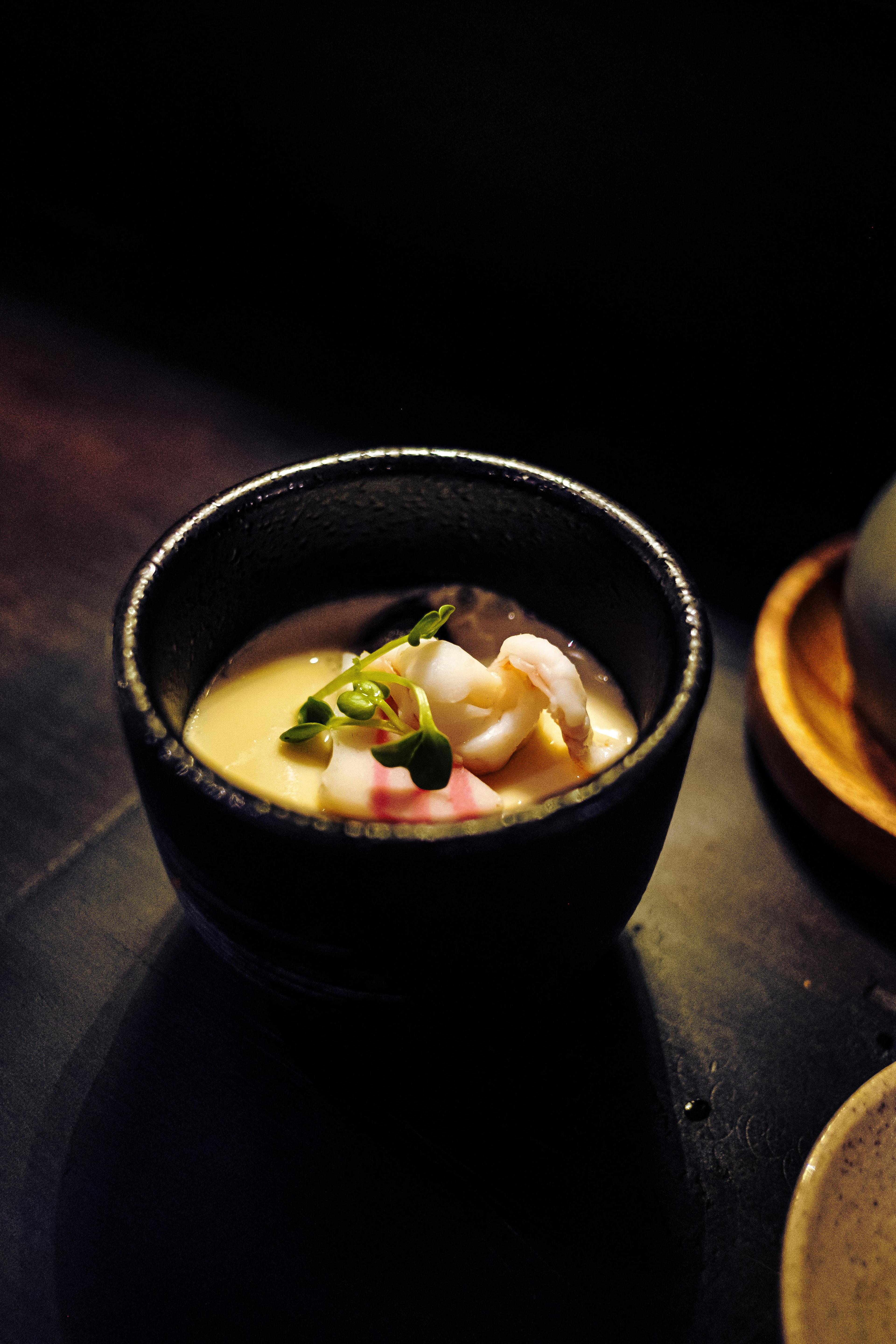
Chawanmushi (Japanese Savory Egg Custard)
Chawanmushi — a silky Japanese steamed egg custard with shrimp, chicken, and mushroom hidden inside.

Baba Ganoush
Baba ganoush with charred eggplant and tahini — smoky, creamy, and deeply savory.

Baked Sweet Potato Fries
Baked sweet potato fries with a cornstarch coating for crispy edges and sriracha mayo for dipping.
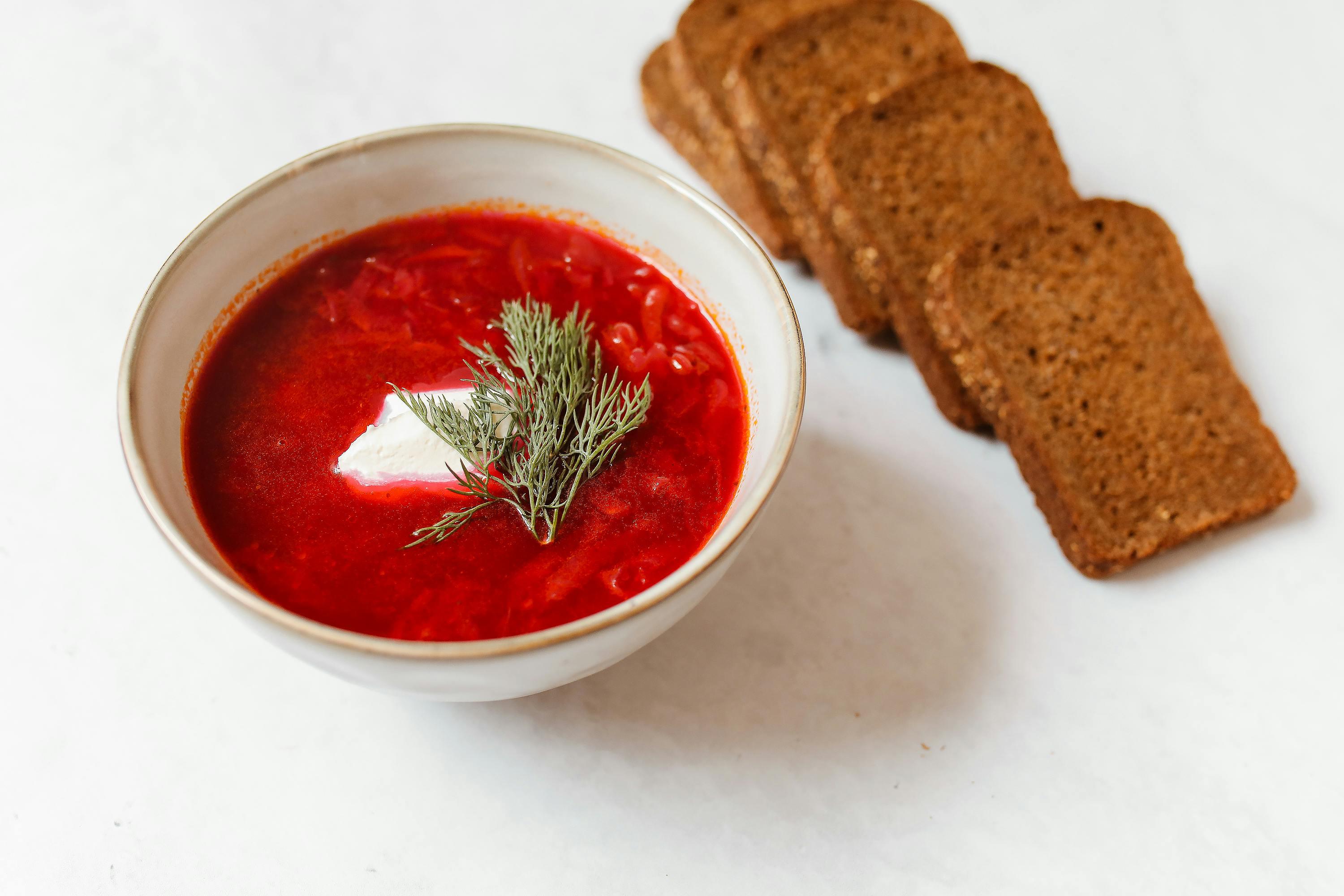
Borscht (Ukrainian Beet Soup)
Ukrainian borscht with beets, cabbage, and a dollop of sour cream. A one-pot comfort soup that feeds a crowd.