sides · soup
Oden (Japanese Winter Hot Pot)
Oden — a gentle Japanese hot pot of daikon, eggs, fish cakes, and tofu simmered in dashi. Winter comfort food.

Nutrition (per serving)
220
Calories
16g
Protein
18g
Carbs
8g
Fat
3g
Fiber
Ingredients
For the broth:
For the pot:
Method
-
Prepare the daikon by peeling and cutting into 1-inch thick rounds. Score a shallow X on one flat side of each round — this helps the broth penetrate the dense flesh. Par-boil the daikon in plain water for 10 minutes until a skewer slides in with slight resistance. This pre-cooking step removes the raw bitterness and gives the daikon a head start before it enters the dashi broth.
-
Prepare the fried tofu by pouring boiling water over the pieces in a colander. This removes excess surface oil that would make the broth greasy. The tofu will absorb the dashi during simmering, becoming little sponges of umami.
-
Build the broth by combining dashi, soy sauce, mirin, and salt in a large pot or donabe (clay pot). Bring to a gentle simmer — never a boil. Oden broth should be clear and delicate. Boiling makes it cloudy and harsh.
A simmer means small bubbles gently breaking the surface — not a rolling boil. Aggressive boiling toughens proteins and causes sauces to reduce too quickly, concentrating flavors unevenly.
-
Add the ingredients in order of density. Daikon and konnyaku go in first — they need the most time to absorb flavor. After 20 minutes, add the eggs, tofu, and fried tofu. After another 15 minutes, add the fish cakes (they only need to heat through). This staggered addition ensures everything finishes at the same time.
-
Simmer gently for 30-40 minutes total, maintaining the barest simmer. The magic of oden is patience — the longer the ingredients sit in the dashi, the more flavor they absorb. The daikon should be translucent and tender enough to cut with chopsticks. The eggs should be stained golden from the soy-dashi broth.
-
Serve hot directly from the pot, with a small dish of karashi (Japanese hot mustard) on the side. Each diner picks their favorite pieces from the communal pot. In Japan, oden is sold at convenience stores (konbini) from autumn through winter, steaming in large pots by the register. It's the ultimate Japanese comfort food — humble, warming, and deeply satisfying.
Equipment
- Large pot or donabe (Japanese clay pot)
- Medium saucepan (for par-boiling daikon) Recommended: Cuisinart Chef's Classic 3-Quart Saucepan
Chef Notes
- The most important thing: Keep the broth at a bare simmer, never a boil. Oden is about gentle, patient infusion — the ingredients absorb the dashi slowly over time. Boiling makes the broth cloudy and the tofu tough.
- Daikon is the star of oden. A properly simmered daikon round — translucent, tender, saturated with dashi — is one of the most satisfying bites in Japanese cooking.
- Oden improves dramatically overnight. Make it a day ahead and reheat gently. The flavors deepen with each reheating.
- The ingredients listed here are a starting point. Oden is infinitely customizable — add potatoes, cabbage rolls, mochi in tofu pouches (kinchaku), or any ingredient that benefits from slow simmering in dashi.
- Fish cakes and konnyaku are available at Japanese and Asian grocery stores. If you can't find them, the oden still works with just daikon, eggs, and tofu.
Common Substitutions
| Ingredient | Substitution | Notes |
|---|---|---|
| Dashi stock | Vegetable broth + 1 tbsp soy sauce | Loses the specific umami of dashi but works |
| Fish cakes | Extra firm tofu, cubed | Different texture but absorbs broth well |
| Konnyaku | Omit | No real substitute — it's unique |
| Daikon | Turnips | Similar density, slightly different flavor |
| Karashi (hot mustard) | Dijon mustard | Less sharp but provides the same condiment function |
What You're Practicing
Oden teaches the Japanese technique of gentle simmering — using time and low heat to infuse ingredients with flavor rather than building flavor through browning or spice. This patient approach is the opposite of stir-frying or searing, and it produces a different kind of depth. The same principle appears in French pot-au-feu, Korean jjigae, and Chinese clay pot cooking. Visit Stocks for more on building dashi and broth-based dishes.
The staggered addition technique — adding ingredients by density so everything finishes together — is a universal skill for any one-pot dish. Understanding that dense root vegetables need more time than delicate tofu is the kind of cooking intuition that makes you better at every stew, soup, and braise. Visit Techniques for more on timing and heat management.
Some equipment and ingredient links are affiliate links. We earn a small commission at no extra cost to you. Learn more
Comments (0)
Sign in to commentNo comments yet. Be the first to share your thoughts.
Frequently Asked Questions
- Can I make Oden (Japanese Winter Hot Pot) ahead of time?
- Yes. overnight.
- How do I store leftover Oden (Japanese Winter Hot Pot)?
- Store in an airtight container in the refrigerator for 3-4 days. Most sides reheat well in the oven at 350°F for 10-15 minutes.
- Can I freeze Oden (Japanese Winter Hot Pot)?
- Most cooked sides freeze well for 2-3 months. Soups and stews freeze especially well. Avoid freezing dishes with high dairy content — they can separate when thawed.
- How many servings does this recipe make?
- This recipe serves 4. You can scale the ingredients up or down proportionally — use the Meal Plan servings slider to adjust the grocery list automatically.
- Is Oden (Japanese Winter Hot Pot) dairy free?
- Yes — this recipe is dairy free. Check the Common Substitutions section for additional dietary adaptations.
- Is this an authentic Japanese recipe?
- This recipe follows traditional Japanese techniques and ingredients. The Chef Notes section explains any adaptations for home kitchen accessibility and suggests authentic alternatives where substitutions are made.
- What substitutions can I make for Oden (Japanese Winter Hot Pot)?
- See the Common Substitutions section above for ingredient and equipment swaps with specific trade-off notes for each alternative.
You Might Also Like

Baba Ganoush
Baba ganoush with charred eggplant and tahini — smoky, creamy, and deeply savory.
Borscht (Ukrainian Beet Soup)
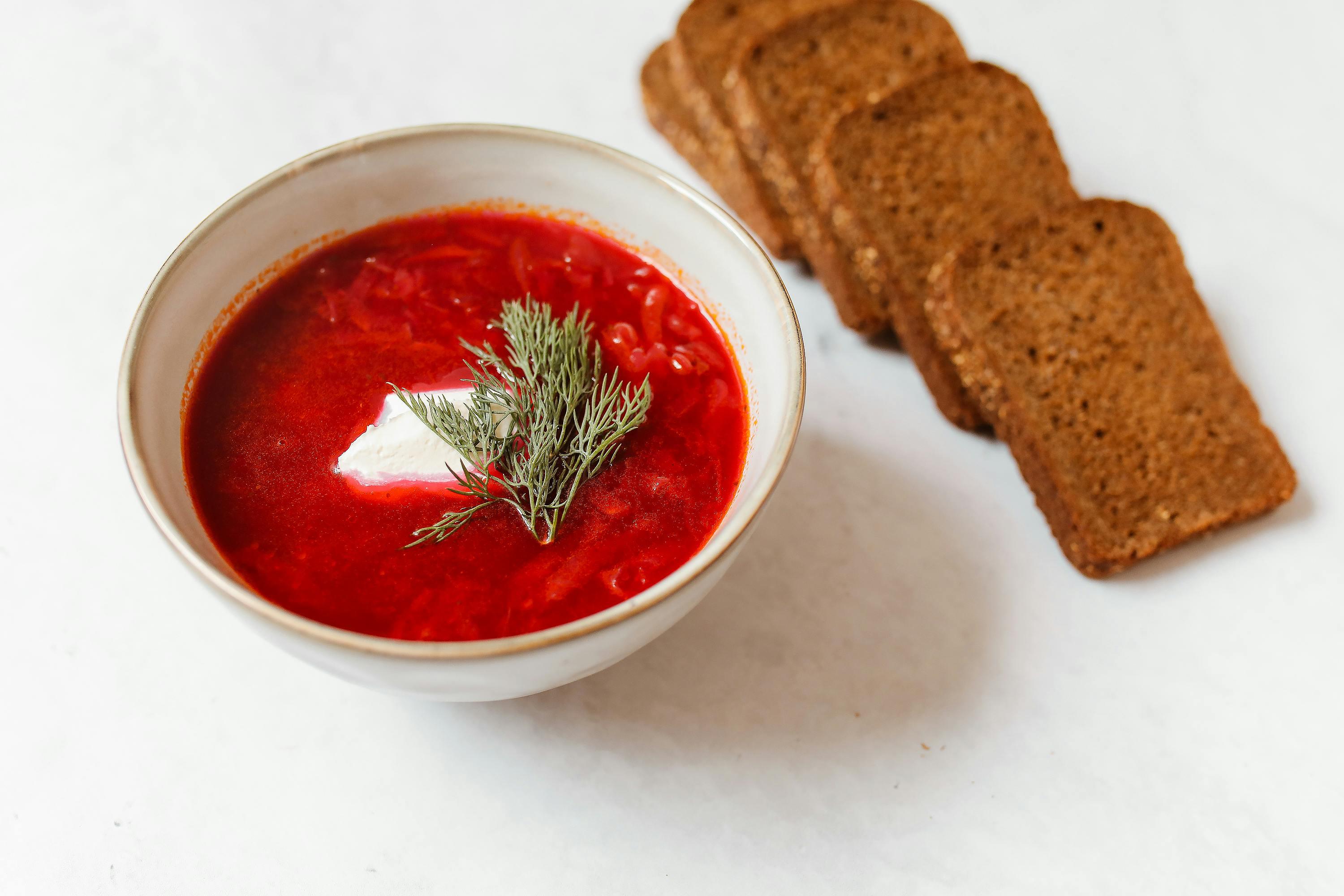
Ukrainian borscht with beets, cabbage, and a dollop of sour cream. A one-pot comfort soup that feeds a crowd.
Chawanmushi (Japanese Savory Egg Custard)
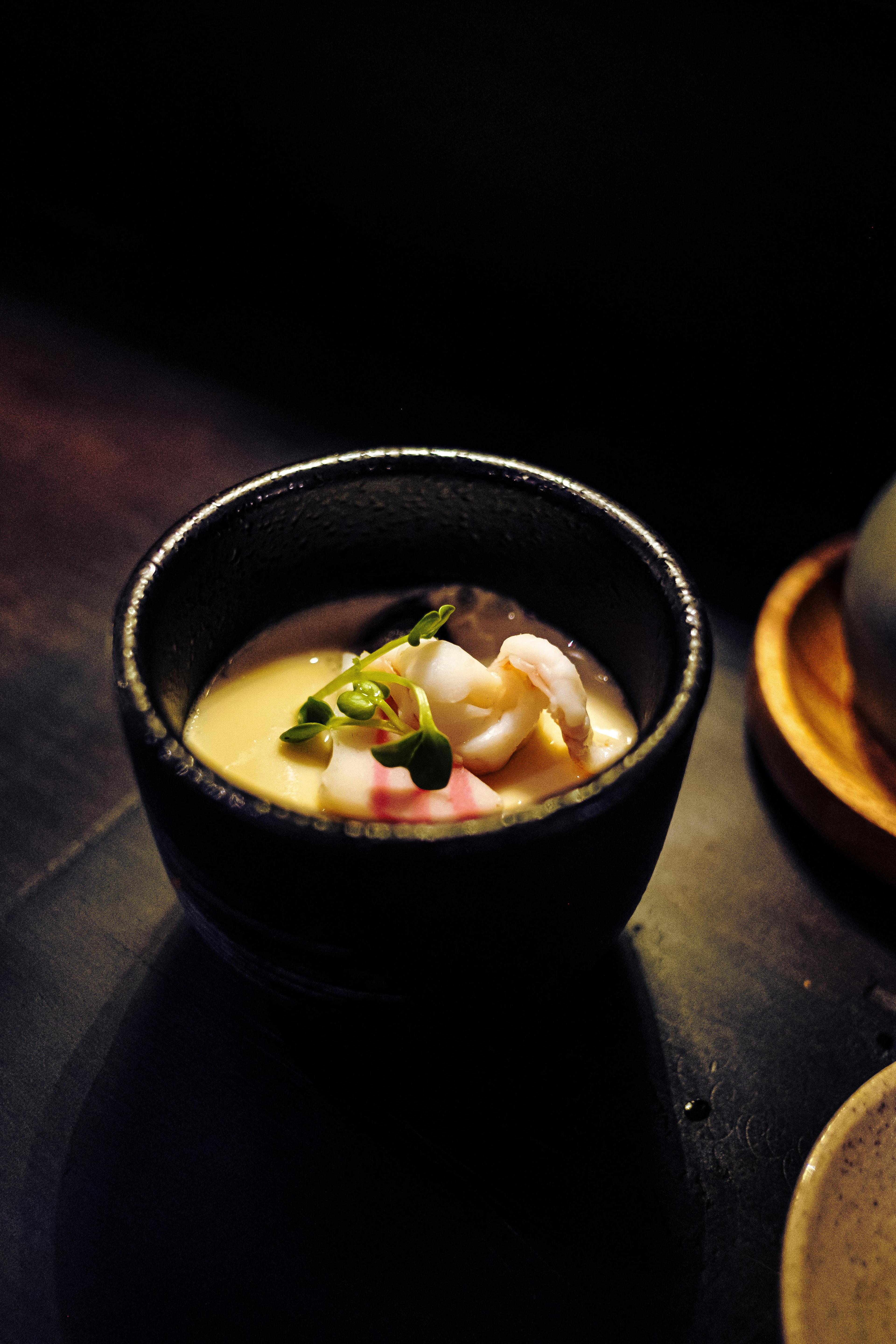
Chawanmushi — a silky Japanese steamed egg custard with shrimp, chicken, and mushroom hidden inside.

Baked Sweet Potato Fries
Baked sweet potato fries with a cornstarch coating for crispy edges and sriracha mayo for dipping.