sides · dessert
Sakura Mochi (Cherry Blossom Rice Cakes)
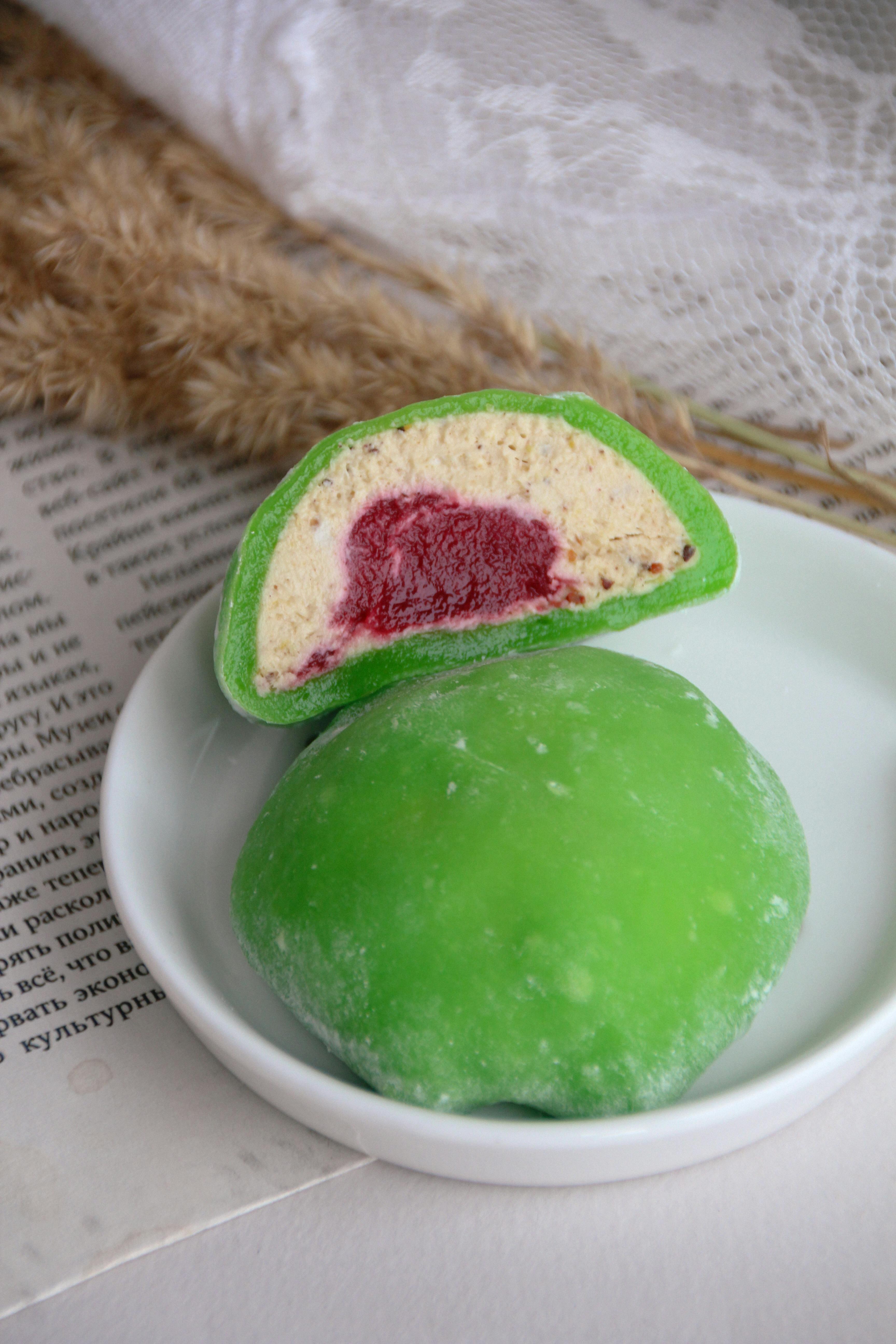
Sakura mochi — pink rice cakes filled with sweet red bean paste and wrapped in a cherry blossom leaf. A spring tradition.
Nutrition (per serving)
145
Calories
3g
Protein
32g
Carbs
1g
Fat
2g
Fiber
Ingredients
Method
-
Combine the rice flour, water, sugar, salt, and food coloring in a microwave-safe bowl. Stir until smooth — the batter should be a pale pink, not hot pink. The color deepens slightly during cooking. Domyojiko (coarse rice flour) produces the traditional Kanto-style sakura mochi with a slightly grainy, chewy texture. Mochiko produces a smoother result.
-
Cover with plastic wrap and microwave for 2 minutes. Remove, stir thoroughly with a wet spatula, re-cover, and microwave for another 1-2 minutes until the dough is translucent and sticky. The dough transforms from a chalky batter to a glossy, elastic mochi — this is the starch gelatinizing. If you don't have a microwave, steam the batter in a heatproof dish for 15-20 minutes.
-
Let the mochi cool until you can handle it, about 10 minutes. Keep your hands wet — mochi sticks to everything dry. Divide into 8 equal portions. Wet your hands frequently as you work.
-
Form each portion into a flat oval about 3 inches long and 1/4 inch thick. Place a tablespoon of red bean paste in the center and fold the mochi around it, pinching the seam closed. The bean paste should be completely enclosed. Shape into a smooth oval — the traditional sakura mochi shape is slightly elongated, like a small egg.
-
Wrap each mochi in a salted cherry blossom leaf, with the smooth side of the leaf facing out. The salt-preserved leaf is edible and provides a subtle salty-floral contrast to the sweet mochi and bean paste. This contrast — sweet filling, salty leaf — is the entire point of sakura mochi.
-
Serve at room temperature with green tea. Sakura mochi is the iconic spring wagashi (Japanese confection), eaten during hanami (cherry blossom viewing) season from late March through April. The pink color, the cherry leaf, and the delicate sweetness all celebrate the fleeting beauty of the blossoms — a concept the Japanese call mono no aware, the bittersweet awareness of impermanence.
Equipment
- Microwave-safe bowl (or steamer)
- Plastic wrap
- Wet spatula Recommended: GIR Ultimate Silicone Spatula
Chef Notes
- The most important thing: Keep your hands wet at all times when handling mochi. Dry hands = mochi stuck to your skin in an unworkable mess. A bowl of water next to your workspace is essential.
- Salted cherry blossom leaves are available at Japanese grocery stores and online (Amazon). They're preserved in salt and need a quick rinse before use. There's no substitute — the leaf is what makes it sakura mochi.
- Domyojiko (coarse sweet rice flour) is the traditional flour for Kanto-style sakura mochi. It's different from mochiko (fine sweet rice flour), which produces Kansai-style. Both are correct — they're regional variations.
- The red bean paste (anko) can be store-bought or homemade. Tsubuan (chunky) is more rustic; koshian (smooth) is more refined. Both are traditional.
- Sakura mochi is best eaten the day it's made. Mochi hardens in the refrigerator — if you must store it, wrap tightly and bring to room temperature before serving.
Common Substitutions
| Ingredient | Substitution | Notes |
|---|---|---|
| Domyojiko | Mochiko (sweet rice flour) | Different texture — smoother, less grainy |
| Red bean paste | Sweet white bean paste (shiroan) | Lighter flavor, equally traditional |
| Cherry blossom leaves | Omit | Loses the signature salty-sweet contrast but the mochi itself is still good |
| Food coloring | Beet juice (1 tsp) | Natural pink color — slightly earthier |
What You're Practicing
Sakura mochi teaches the fundamentals of mochi-making — hydrating and cooking rice flour until it gelatinizes into a sticky, elastic dough. This same technique applies to daifuku, dango, and any mochi-based confection. Understanding starch gelatinization (how heat transforms raw flour into a stretchy, translucent dough) is fundamental to both Japanese wagashi and Western pastry. Visit Pastry Foundations for more on starch-based doughs.
The wrapping technique — enclosing a filling in a soft dough — is a universal skill that appears in Chinese tangyuan, Italian ravioli, and Middle Eastern maamoul. The principle is the same: thin wrapper, sealed seam, uniform shape. Visit Techniques for more on filled dough techniques.
Some equipment and ingredient links are affiliate links. We earn a small commission at no extra cost to you. Learn more
Comments (0)
Sign in to commentNo comments yet. Be the first to share your thoughts.
Frequently Asked Questions
- Can I make Sakura Mochi (Cherry Blossom Rice Cakes) ahead of time?
- Yes — prep the components up to a day ahead and store covered in the refrigerator. Reheat gently or bring to room temperature before serving.
- How do I store leftover Sakura Mochi (Cherry Blossom Rice Cakes)?
- Store in an airtight container in the refrigerator for 3-4 days. Most sides reheat well in the oven at 350°F for 10-15 minutes.
- Can I freeze Sakura Mochi (Cherry Blossom Rice Cakes)?
- Most cooked sides freeze well for 2-3 months. Soups and stews freeze especially well. Avoid freezing dishes with high dairy content — they can separate when thawed.
- How many servings does this recipe make?
- This recipe serves 8. You can scale the ingredients up or down proportionally — use the Meal Plan servings slider to adjust the grocery list automatically.
- Is Sakura Mochi (Cherry Blossom Rice Cakes) vegetarian and vegan and dairy free?
- Yes — this recipe is vegetarian and vegan and dairy free. Check the Common Substitutions section for additional dietary adaptations.
- Is this an authentic Japanese recipe?
- This recipe follows traditional Japanese techniques and ingredients. The Chef Notes section explains any adaptations for home kitchen accessibility and suggests authentic alternatives where substitutions are made.
- What substitutions can I make for Sakura Mochi (Cherry Blossom Rice Cakes)?
- See the Common Substitutions section above for ingredient and equipment swaps with specific trade-off notes for each alternative.
You Might Also Like

Baba Ganoush
Baba ganoush with charred eggplant and tahini — smoky, creamy, and deeply savory.
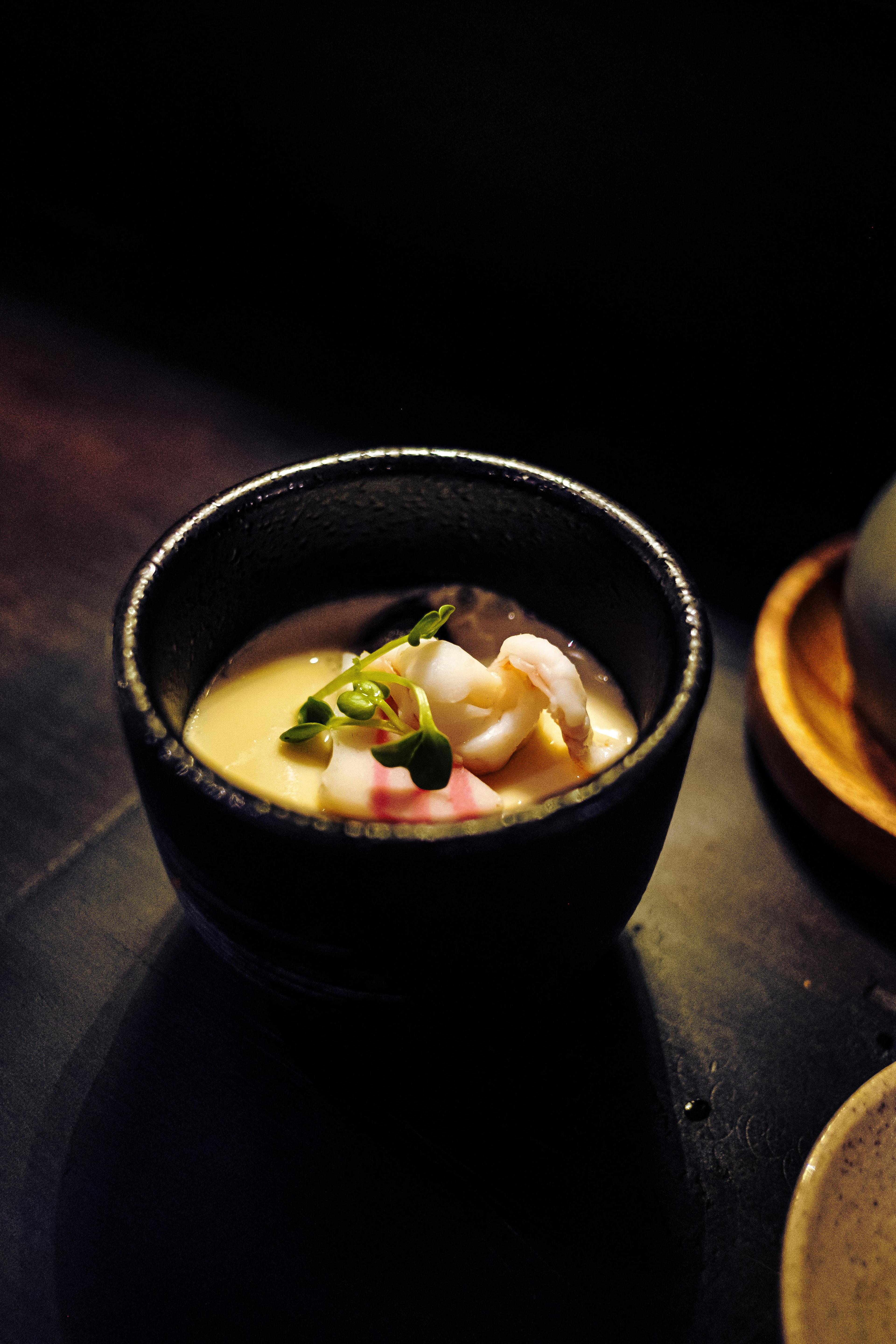
Chawanmushi (Japanese Savory Egg Custard)
Chawanmushi — a silky Japanese steamed egg custard with shrimp, chicken, and mushroom hidden inside.

Baked Sweet Potato Fries
Baked sweet potato fries with a cornstarch coating for crispy edges and sriracha mayo for dipping.

Bigos (Polish Hunter's Stew)
Bigos — Poland's national stew of sauerkraut, fresh cabbage, and smoked meats. Better every day it sits.