brewing · Wine
Cabernet Sauvignon (From Kit)
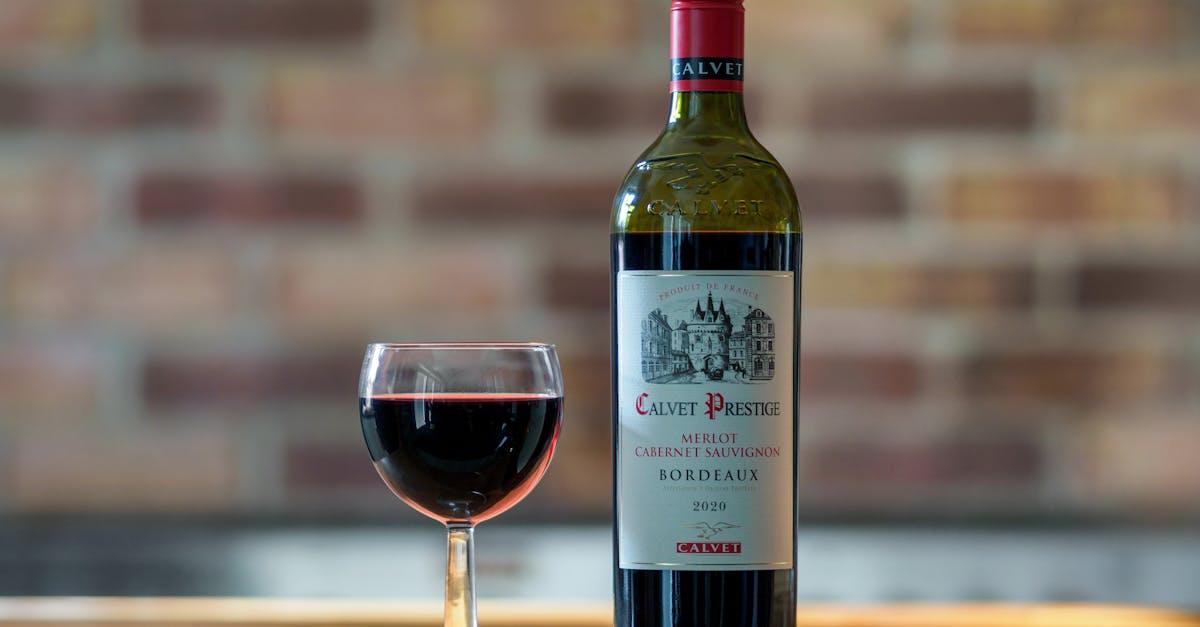
Make Cabernet Sauvignon from a wine kit — the most reliable way to produce excellent red wine at home.
Nutrition (per serving)
150
Calories
1g
Protein
12g
Carbs
0g
Fat
0g
Fiber
Ingredients
Method
-
Sanitize and prepare. Clean and sanitize your primary fermenter, spoon, hydrometer, and all equipment. Dissolve the bentonite (a clay fining agent) in warm water and add it to the primary fermenter — bentonite binds to proteins and helps clarify the wine during fermentation. This goes in first, before the juice.
-
Add juice and water. Pour the concentrated grape juice into the fermenter on top of the bentonite. Rinse the juice bag with warm water to extract every drop. Add filtered water to reach the 6-gallon (23-liter) mark. Stir vigorously for 2 minutes to mix and aerate. Take a hydrometer reading — your starting Specific Gravity (SG) should be 1.080–1.090, which predicts a finished wine of 11–13% ABV.
-
Pitch yeast. Sprinkle the kit yeast on top of the must (unfermented grape juice is called "must"). Do not stir it in — let it rehydrate on the surface for 15 minutes, then gently stir. Seal the fermenter with an airlock. Primary fermentation begins within 12–24 hours.
-
Primary fermentation (5–7 days). Ferment at 68–75°F. Stir gently once daily to keep yeast in suspension. After 5–7 days, check SG — when it drops to 1.010 or below, it is time to rack to secondary. Primary fermentation is vigorous: yeast is consuming sugar rapidly, producing alcohol, CO2, and heat.
-
Rack to secondary. Siphon (rack) the wine off the sediment (lees) into a sanitized carboy. Attach an airlock. Add oak chips if included in your kit — oak contributes vanillin, tannin, and complexity. Secondary fermentation is slower and quieter. The wine is finishing the last sugars and beginning to clarify. Leave for 10–14 days. Target SG: 0.996 or below (dry wine).
-
Stabilize and fine. Add potassium metabisulfite (prevents oxidation and microbial spoilage) and potassium sorbate (prevents refermentation in the bottle). Add the clarifying agent (isinglass or chitosan). Stir vigorously for 2 minutes to degas the wine — dissolved CO2 must be removed or the wine will be slightly fizzy. Degas again the next day.
-
Clear and bottle. Allow the wine to clear for 2–4 weeks in the carboy. The wine should be brilliantly clear with a firm sediment layer on the bottom. Rack one final time into a clean vessel, then siphon into sanitized bottles and cork. Store bottles upright for 3 days (to let the cork set), then on their sides.
Equipment Required
- Primary fermenter (food-grade bucket, 7.9 gallon)
- Glass carboy (6 gallon) for secondary fermentation
- Airlock and bung
- Auto-siphon and tubing (for racking)
- Hydrometer
- Sanitizer (potassium metabisulfite or Star San)
- Wine bottles, corks, and corker
Chef Notes
- The most important thing: Use wine-grade grapes or quality grape juice concentrate — not table grapes.
- Monitor specific gravity with a hydrometer. Starting gravity should be 1.085-1.095.
- Rack the wine off sediment after primary fermentation and again after 2 months.
- Age in glass carboys for at least 6 months. Red wine improves dramatically with time.
Common Substitutions
| Ingredient | Substitution | Notes |
|---|---|---|
| Ale yeast | Lager yeast (ferment at 50-55°F) | Completely different flavor profile — lager is cleaner |
| Corn sugar (priming) | Table sugar or honey | All work for carbonation — honey adds subtle flavor |
| Specialty grains | Liquid malt extract | Extract brewing is simpler — skip the mash step entirely |
| Glass carboy | Food-grade plastic bucket | Plastic is lighter and won't shatter — glass is easier to sanitize |
What You're Practicing
Wine making teaches you patience and process — unlike beer, wine ferments slowly and rewards aging. You are learning the difference between primary and secondary fermentation: primary is fast and aerobic-tolerant, secondary is slow and must be protected from oxygen. Racking teaches you about lees management — dead yeast and grape solids that can produce off-flavors (hydrogen sulfide) if left in contact too long. The stabilization step introduces sulfite chemistry — SO2 binds to acetaldehyde and inhibits wild yeast and bacteria. Degassing demonstrates that CO2 solubility decreases as alcohol increases. The hydrometer readings connect to the same gravity science used in brewing (see Fermentation Science). Wine kits are an excellent training ground because they isolate the fermentation process from the complexity of working with fresh fruit.
Video Resources
Some equipment and ingredient links are affiliate links. We earn a small commission at no extra cost to you. Learn more
Comments (0)
Sign in to commentNo comments yet. Be the first to share your thoughts.
Frequently Asked Questions
- Can I make Cabernet Sauvignon (From Kit) ahead of time?
- Yes — prep the components up to a day ahead and store covered in the refrigerator. Reheat gently or bring to room temperature before serving.
- How do I store leftover Cabernet Sauvignon (From Kit)?
- Store in sealed bottles in a cool, dark place. Fermented beverages continue to develop flavor over time — check individual recipe notes for aging guidelines.
- Can I freeze Cabernet Sauvignon (From Kit)?
- Most fermented beverages should not be frozen. Store according to the specific recipe's aging and storage guidelines.
- How many servings does this recipe make?
- This recipe serves 30 bottles (750ml each). You can scale the ingredients up or down proportionally — use the Meal Plan servings slider to adjust the grocery list automatically.
- Why does Cabernet Sauvignon (From Kit) take so long?
- This recipe takes 720 hours because the flavors need time to develop and meld together. The hands-on time is much shorter — most of the cook time is unattended.
- Is Cabernet Sauvignon (From Kit) dairy free and gluten free and vegetarian?
- Yes — this recipe is dairy free and gluten free and vegetarian. Check the Common Substitutions section for additional dietary adaptations.
- What substitutions can I make for Cabernet Sauvignon (From Kit)?
- See the Common Substitutions section above for ingredient and equipment swaps with specific trade-off notes for each alternative.
You Might Also Like
American Pale Ale (Extract Brew)
Your first homebrew — an extract American Pale Ale that teaches sanitization, boiling, fermentation, and bottling in one batch.
West Coast IPA (All-Grain)
An advanced all-grain West Coast IPA with 60+ IBUs of piney, citrusy bitterness. Full mash, multi-stage hop schedule.
Bavarian Hefeweizen
A Bavarian Hefeweizen where the yeast does the work — producing banana and clove flavors. Fermentation temperature is everything.
Country Apple Wine
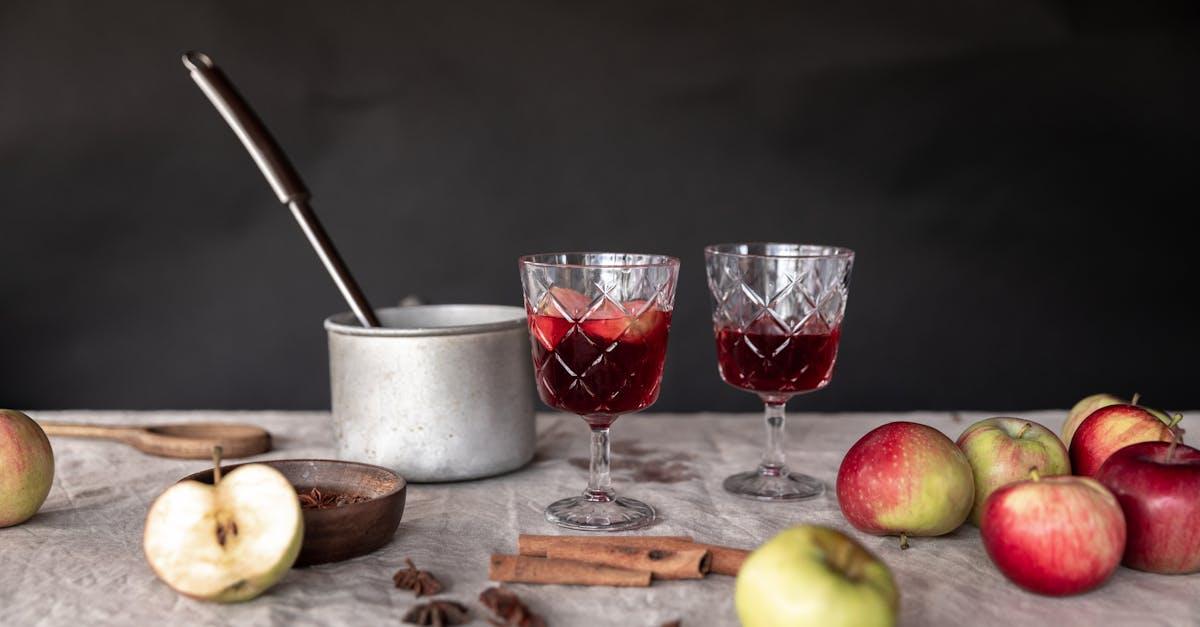
Country apple wine from fresh juice, sugar, and yeast. No kits, no concentrates — just fruit and patience.