brewing · Mead
Traditional Mead (Show Mead)
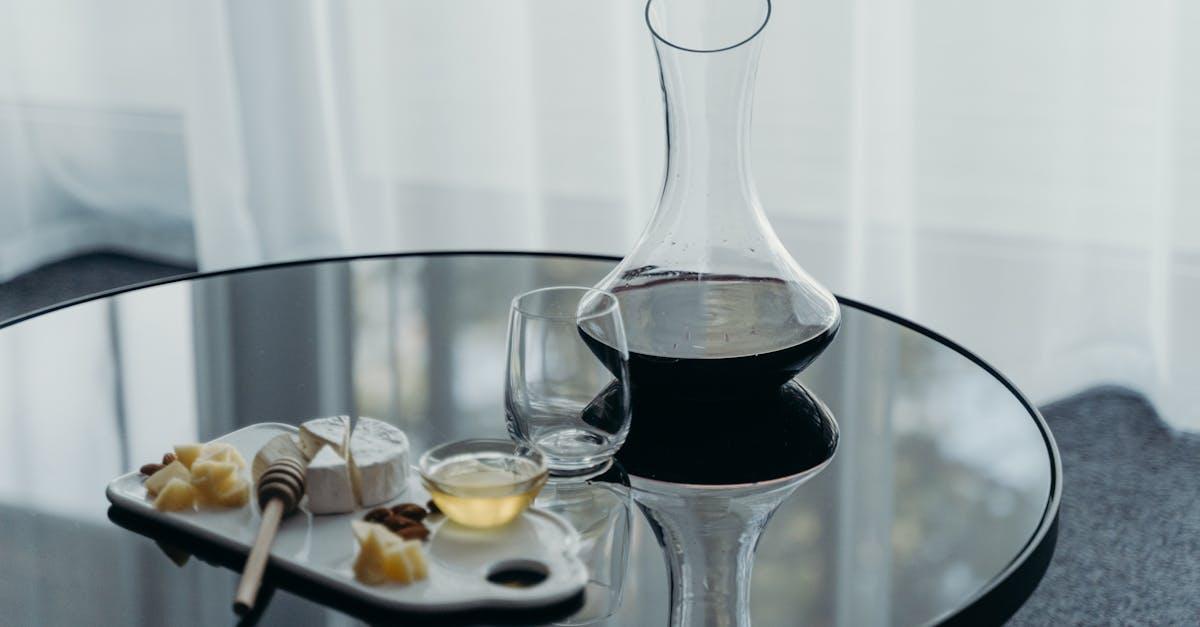
Honey wine — the oldest fermented beverage in history. Just honey, water, and yeast. Rewards months of patient aging.
Nutrition (per serving)
150
Calories
1g
Protein
12g
Carbs
0g
Fat
0g
Fiber
Ingredients
Method
-
Prepare the must. Warm half the water to about 100°F (not boiling — heat destroys the delicate aromatics in honey). Add the honey and stir until fully dissolved. Pour into a sanitized 1-gallon jug and add the remaining water at room temperature. The must should be around 75–80°F. Take a gravity reading — target OG: 1.110–1.120, which will produce a mead of 14–15% ABV.
-
Aerate aggressively. Mead must is nutrient-poor compared to grape juice or wort. Yeast needs oxygen for healthy cell growth during the first 48 hours. Shake the jug vigorously for 3 minutes, or use a wine whip. You want to dissolve as much oxygen as possible. This is the opposite of what you do with wine after primary — early aeration is critical for mead.
-
Pitch yeast and first nutrient addition. Rehydrate 71B in 100°F water for 15 minutes, then pitch into the must. Add the first dose of Fermaid-O (1 tsp). Attach an airlock. 71B is chosen specifically for mead because it metabolizes malic acid, producing a softer, rounder mead.
-
Staggered nutrient additions (SNA). Honey lacks the nitrogen, vitamins, and minerals that yeast needs. Without supplementation, fermentation will stall or produce off-flavors (hydrogen sulfide — rotten egg smell). Add 0.75 tsp Fermaid-O at 48 hours and another 0.75 tsp at 72 hours. Degas by swirling the jug at each addition. This staggered nutrient addition (SNA) protocol is the single most important technique in modern meadmaking.
-
Primary fermentation (3–4 weeks). Ferment at 62–68°F. Mead ferments much slower than beer — expect 3–4 weeks for primary. Degas by swirling daily for the first week, then every few days. When airlock activity slows to one bubble per minute, check gravity. When SG drops below 1.020, rack to a clean secondary vessel.
-
Secondary fermentation and aging (4–8 weeks). Fill the secondary vessel to the neck to minimize oxygen exposure. The mead will slowly clear over weeks. Rack again if heavy sediment forms. After 2 months total, taste — the mead will be drinkable but young. Stabilize with 1 Campden tablet and 0.5 tsp potassium sorbate if back-sweetening. Bottle and age for 3–6 months minimum. Great mead ages for years.
Equipment Required
- Glass carboy or fermentation jug (1 gallon to start, or 5 gallon)
- Airlock and bung
- Sanitizer (Star San)
- Auto-siphon and tubing
- Hydrometer (optional but recommended)
- Bottles and caps or swing-top bottles Recommended: Chef's Star 16oz Swing-Top Glass Bottles (Set of 6)
Chef Notes
- The most important thing: Use raw, unprocessed honey — the variety (wildflower, orange blossom, buckwheat) dramatically affects flavor.
- Don't boil the honey — it drives off delicate aromatics. Dissolve in warm water.
- Mead ferments slowly — 4-8 weeks primary, then months of aging.
- Add yeast nutrient — honey lacks the nitrogen yeast needs.
Common Substitutions
| Ingredient | Substitution | Notes |
|---|---|---|
| Ale yeast | Lager yeast (ferment at 50-55°F) | Completely different flavor profile — lager is cleaner |
| Corn sugar (priming) | Table sugar or honey | All work for carbonation — honey adds subtle flavor |
| Specialty grains | Liquid malt extract | Extract brewing is simpler — skip the mash step entirely |
| Glass carboy | Food-grade plastic bucket | Plastic is lighter and won't shatter — glass is easier to sanitize |
What You're Practicing
Mead teaches you about nutrient management — the most common cause of failed mead is nutrient-deficient must leading to stressed yeast. The SNA protocol demonstrates that yeast health is not just about temperature; it requires nitrogen (as amino acids and DAP), vitamins, and minerals. You are learning about yeast strain selection for specific applications — 71B's ability to metabolize malic acid is a biochemical trait that directly improves mead quality. The aggressive early aeration teaches you about yeast growth phases — the lag and exponential phases require oxygen for sterol synthesis in cell membranes. The long aging period introduces you to micro-oxygenation and ester development — slow chemical reactions that transform harsh young mead into something complex and beautiful. Gravity readings here predict high ABV, teaching you about yeast alcohol tolerance — 71B can handle up to 14% before stalling. This connects to the broader principles of Fermentation Science.
Video Resources
Some equipment and ingredient links are affiliate links. We earn a small commission at no extra cost to you. Learn more
Comments (0)
Sign in to commentNo comments yet. Be the first to share your thoughts.
Frequently Asked Questions
- Can I make Traditional Mead (Show Mead) ahead of time?
- Yes — prep the components up to a day ahead and store covered in the refrigerator. Reheat gently or bring to room temperature before serving.
- How do I store leftover Traditional Mead (Show Mead)?
- Store in sealed bottles in a cool, dark place. Fermented beverages continue to develop flavor over time — check individual recipe notes for aging guidelines.
- Can I freeze Traditional Mead (Show Mead)?
- Most fermented beverages should not be frozen. Store according to the specific recipe's aging and storage guidelines.
- How many servings does this recipe make?
- This recipe serves 1 gallon (~5 bottles). You can scale the ingredients up or down proportionally — use the Meal Plan servings slider to adjust the grocery list automatically.
- Why does Traditional Mead (Show Mead) take so long?
- This recipe takes 1440 hours because the flavors need time to develop and meld together. The hands-on time is much shorter — most of the cook time is unattended.
- Is Traditional Mead (Show Mead) dairy free and gluten free and vegetarian?
- Yes — this recipe is dairy free and gluten free and vegetarian. Check the Common Substitutions section for additional dietary adaptations.
- What substitutions can I make for Traditional Mead (Show Mead)?
- See the Common Substitutions section above for ingredient and equipment swaps with specific trade-off notes for each alternative.
You Might Also Like
American Pale Ale (Extract Brew)
Your first homebrew — an extract American Pale Ale that teaches sanitization, boiling, fermentation, and bottling in one batch.
Bavarian Hefeweizen
A Bavarian Hefeweizen where the yeast does the work — producing banana and clove flavors. Fermentation temperature is everything.
Oatmeal Stout
A creamy oatmeal stout with chocolate and coffee notes. A partial-mash recipe that bridges extract and all-grain brewing.
West Coast IPA (All-Grain)
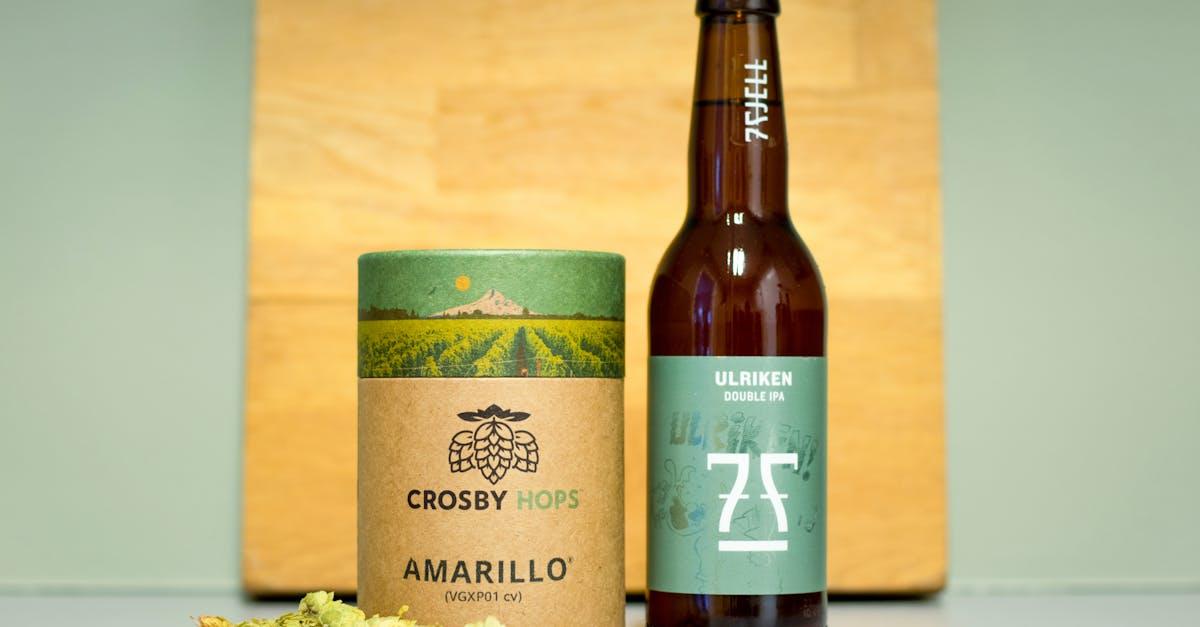
An advanced all-grain West Coast IPA with 60+ IBUs of piney, citrusy bitterness. Full mash, multi-stage hop schedule.