mains · beef
Osso Buco alla Milanese
Braised veal shanks in white wine and vegetables, finished with bright gremolata — Milan's signature dish.

Nutrition (per serving)
520
Calories
42g
Protein
18g
Carbs
28g
Fat
3g
Fiber
Ingredients
For the osso buco:
For the gremolata:
Method
-
Prepare the shanks by patting them dry and tying kitchen twine around the circumference of each one to hold the meat on the bone. Season generously with salt and pepper on all sides, then dredge lightly in flour, shaking off the excess. The flour coating serves two purposes: it creates a better sear and it thickens the braising liquid as the dish cooks.
-
Sear the shanks in olive oil and butter over medium-high heat in a Dutch oven. Cook for 4-5 minutes per side until deeply browned — not just colored, but actually browned with a dark crust. Work in batches if needed; crowding the pot causes steaming instead of searing. The fond (browned bits) on the bottom of the pot is concentrated flavor that becomes the base of your braising liquid. Remove the shanks and set aside.
-
Build the soffritto by adding the onion, carrots, and celery to the pot. Cook for 8-10 minutes over medium heat, stirring occasionally, until the vegetables are soft and starting to caramelize. Add the garlic and cook for 30 seconds. The Italian soffritto (mirepoix) is the aromatic foundation — take your time with it.
-
Deglaze with wine by pouring in the white wine and scraping up all the fond from the bottom with a wooden spoon. Let the wine reduce by half — about 3 minutes. The alcohol cooks off, leaving behind the wine's acidity and fruit flavors.
-
Add the tomatoes, stock, bay leaves, thyme, and lemon zest. Return the seared shanks to the pot, nestling them into the liquid. The liquid should come about 2/3 up the sides of the shanks — don't submerge them completely. The exposed tops will brown slightly during braising.
-
Braise at 325°F for 2.5-3 hours with the lid on. Check after 2 hours — the meat is done when it's tender enough to cut with a spoon but still holding onto the bone. The braising liquid should have reduced and thickened into a rich, glossy sauce. If it's too thin, remove the shanks and reduce the liquid on the stovetop.
-
Make the gremolata by combining the parsley, garlic, and lemon zest. Chop them together on a cutting board until finely minced and well combined. The gremolata should be made fresh — it loses its punch within an hour.
-
Serve each shank in a shallow bowl with the braising liquid spooned over and around it. Scatter gremolata generously on top. Provide small spoons for scooping the marrow from the bone — this is the best part, rich and silky with an almost buttery flavor. Serve with saffron risotto or creamy polenta.
Equipment
- Dutch oven or heavy-bottomed pot with lid Recommended: Lodge 6-Quart Enameled Cast Iron Dutch Oven
- Tongs Also good: Wok Spatula
- Kitchen twine
- Dutch oven Recommended: Lodge 6-Quart Enameled Cast Iron Dutch Oven · Also good: Lodge 6-Quart Enameled Cast Iron Dutch Oven
- Stockpot Recommended: Tramontina 12-Quart Stainless Steel Stock Pot
- Saucepan Recommended: Cuisinart Chef's Classic 3-Quart Saucepan
- Microplane zester Recommended: Microplane Premium Classic Zester
Chef Notes
- The most important thing: Tie kitchen twine around each shank to hold the meat on the bone during braising. Without it, the meat falls off the bone and you lose the dramatic presentation that defines osso buco. The marrow stays in the bone — it's the prize.
- Dredge in flour before searing. The flour creates a better crust and thickens the braising liquid as it cooks. Shake off excess — too much flour makes the sauce pasty.
- Use veal shanks, not beef. Veal has more collagen and a more delicate flavor. Beef shanks work in a pinch but the dish won't be as refined.
- The gremolata is not optional — it's what makes osso buco sing. The raw garlic, lemon zest, and parsley cut through the rich, unctuous braised meat and add a burst of freshness. Add it at the table, not during cooking.
- Serve with risotto alla Milanese (saffron risotto) — this is the traditional pairing and one of the great combinations in Italian cooking.
Common Substitutions
| Ingredient | Substitution | Notes |
|---|---|---|
| Veal shanks | Beef shanks | More robust flavor, slightly tougher — add 30 min to braise time |
| White wine | Dry vermouth or chicken broth + 1 tsp lemon juice | Vermouth is closest; broth + acid works in a pinch |
| San Marzano tomatoes | Any quality canned crushed tomatoes | San Marzano are sweeter and less acidic but not essential |
| Saffron risotto (side) | Creamy polenta or mashed potatoes | Both soak up the braising liquid beautifully |
| Fresh gremolata | Prepared gremolata or lemon zest + parsley | Make it fresh if possible — it loses punch quickly |
What You're Practicing
Osso buco is a masterclass in braising — the technique of searing protein, building an aromatic base, deglazing, and slow-cooking in liquid until tough connective tissue transforms into gelatin. This same technique drives beef bourguignon, coq au vin, and lamb shanks. The braising liquid becomes the sauce, concentrating as it cooks. Understanding braising means you can transform any tough, cheap cut into something extraordinary. Visit Stocks for more on building braising liquids.
The gremolata teaches you about finishing garnishes — raw, bright elements added at the last moment to contrast with rich, slow-cooked dishes. This same concept appears in chimichurri on steak, persillade on roasted bone marrow, and fresh herbs on Thai curries. The contrast between cooked and raw, rich and bright, is one of the most powerful tools in a cook's arsenal. See Techniques for more.
Video Resources
Some equipment and ingredient links are affiliate links. We earn a small commission at no extra cost to you. Learn more
Comments (0)
Sign in to commentNo comments yet. Be the first to share your thoughts.
Frequently Asked Questions
- Can I make Osso Buco alla Milanese ahead of time?
- Yes — prep the components up to a day ahead and store covered in the refrigerator. Reheat gently or bring to room temperature before serving.
- How do I store leftover Osso Buco alla Milanese?
- Store in an airtight container in the refrigerator for 3-4 days. Reheat gently over medium-low heat, adding a splash of broth or water to prevent drying out.
- Can I freeze Osso Buco alla Milanese?
- Yes — most cooked mains freeze well for up to 3 months. Cool completely, store in freezer-safe containers, and thaw overnight in the refrigerator before reheating.
- How many servings does this recipe make?
- This recipe serves 4. You can scale the ingredients up or down proportionally — use the Meal Plan servings slider to adjust the grocery list automatically.
- Why does Osso Buco alla Milanese take so long?
- This recipe takes 3 hours because low-and-slow cooking breaks down tough connective tissue into tender, flavorful gelatin. The hands-on time is much shorter — most of the cook time is unattended.
- Is Osso Buco alla Milanese high protein and keto?
- Yes — this recipe is high protein and keto. Check the Common Substitutions section for additional dietary adaptations.
- Is this an authentic Italian recipe?
- This recipe follows traditional Italian techniques and ingredients. The Chef Notes section explains any adaptations for home kitchen accessibility and suggests authentic alternatives where substitutions are made.
- What substitutions can I make for Osso Buco alla Milanese?
- See the Common Substitutions section above for ingredient and equipment swaps with specific trade-off notes for each alternative.
You Might Also Like
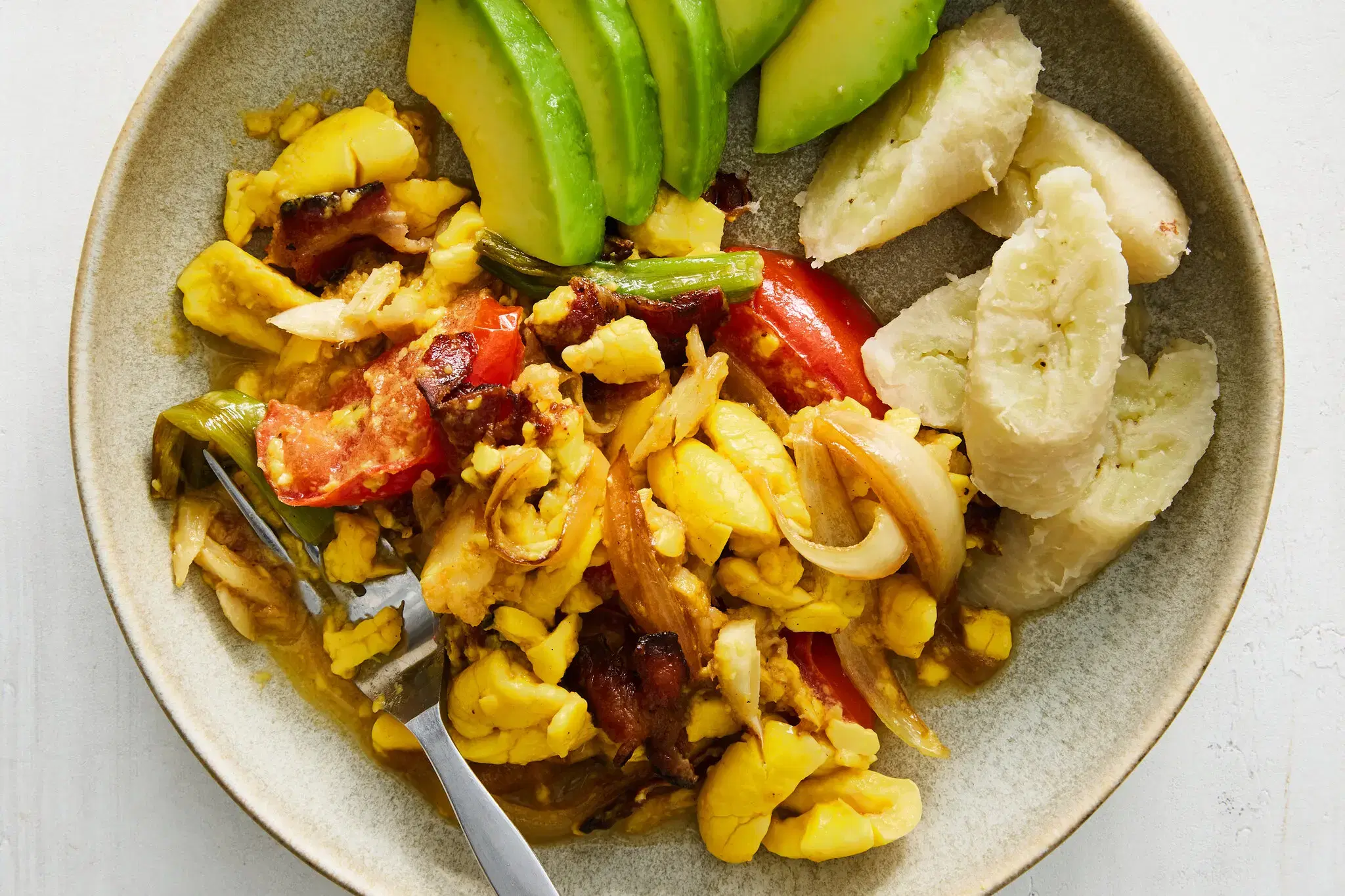
Ackee and Saltfish
Jamaica''s national dish — creamy ackee fruit sautéed with salted cod.

American BBQ Ribs (Oven-to-Grill)
Fall-off-the-bone pork ribs with a spice rub and sticky BBQ glaze — no smoker required.

Argentine Steak with Chimichurri
Grilled ribeye with Argentina's iconic chimichurri — raw herb sauce with red wine vinegar and garlic.

Bacalhau à Brás (Portuguese Salt Cod)
Shredded salt cod with crispy potatoes, scrambled eggs, and olives — Portugal's beloved comfort dish.