mains · pork
Japanese Gyoza (Pan-Fried Dumplings)
Crispy-bottomed pork and cabbage dumplings with a soy-vinegar dipping sauce — Japan's favorite appetizer.

Nutrition (per serving)
340
Calories
18g
Protein
36g
Carbs
14g
Fat
2g
Fiber
Ingredients
For the filling:
For assembly:
For cooking:
For the dipping sauce:
Method
-
Make the filling by combining ground pork, squeezed cabbage, scallions, garlic, ginger, soy sauce, sesame oil, and white pepper. Mix vigorously with chopsticks or a fork in one direction for 2 minutes. This develops the myosin proteins that bind the filling together. The mixture should be sticky and cohesive.
-
Fill and fold by placing 1 heaping teaspoon of filling in the center of each wrapper. Dip your finger in water and moisten the edge of the wrapper. Fold in half, pressing the edges to seal. For traditional pleats, make 5-6 small folds on the front edge while pressing it against the flat back edge. Place sealed gyoza on a parchment-lined tray. They can be frozen at this stage.
-
Heat oil in a nonstick skillet over medium-high heat. Arrange the gyoza in a single layer, flat-side down, packed closely together. Cook for 2-3 minutes without moving until the bottoms are golden brown. This first fry creates the crispy base.
-
Add water and cover — pour 1/3 cup water into the skillet (it will splatter, so stand back). Immediately cover with a lid. The water creates steam that cooks the tops and filling through. Steam for 3-4 minutes until the water has almost completely evaporated.
-
Remove the lid and continue cooking for 1-2 minutes until the remaining water evaporates and the bottoms re-crisp. The gyoza should release easily from the pan. If they stick, slide a spatula underneath.
-
Flip onto a plate by placing a plate over the skillet and inverting — the crispy bottoms should face up. Serve immediately with the dipping sauce. In Japan, gyoza are served as a side dish with ramen or as a beer snack — they're meant to be eaten hot, dipped in sauce, and washed down with cold beer.
Equipment
- Nonstick skillet with lid (10-12 inch) Recommended: All-Clad HA1 Expert Hard Anodized Nonstick Frying Pan
- Spatula Recommended: GIR Ultimate Silicone Spatula
Chef Notes
- The most important thing: Squeeze ALL the moisture out of the chopped cabbage. Wrap it in a clean towel and wring it over the sink until no more liquid comes out. Wet cabbage makes the filling soggy and the gyoza fall apart during cooking.
- Don't overfill — 1 heaping teaspoon per wrapper. Overfilled gyoza won't seal properly and burst during cooking. Less is more.
- The pleating is aesthetic but the seal is functional. If you can't pleat, just fold in half and press firmly. The seal must be airtight or the gyoza will open during steaming.
- The cooking method is fry-steam-fry: oil first (crisp the bottom), water and lid (steam the top), then uncover (re-crisp the bottom). This gives you the signature crispy bottom and tender, steamed top.
- Use store-bought gyoza wrappers. Homemade wrappers are a weekend project — store-bought are what Japanese home cooks use and they're excellent.
Common Substitutions
| Ingredient | Substitution | Notes |
|---|---|---|
| Ground pork | Ground chicken or shrimp (minced) | Chicken is lighter; shrimp adds sweetness |
| Napa cabbage | Regular green cabbage | Slightly tougher — chop extra fine |
| Gyoza wrappers | Wonton wrappers | Thinner and crispier — slightly different texture |
| Sesame oil | Chili oil in the dipping sauce | Adds heat instead of nuttiness |
| Pan-frying | Deep frying or steaming only | Deep-fried = crispy all over. Steamed = no crispy bottom (sui gyoza) |
What You're Practicing
The fry-steam-fry technique is unique to Japanese gyoza and Chinese potstickers. It gives you two textures in one dumpling: crispy bottom and tender, steamed top. Understanding how to combine dry heat (frying) and wet heat (steaming) in a single cooking step is a powerful technique that applies to many Asian preparations. Visit Techniques for more on combination cooking methods.
Dumpling folding and sealing teaches you the same skills used in pierogi, ravioli, empanadas, and samosas. The universal principle — thin wrapper, seasoned filling, airtight seal — transcends any single cuisine. Once you can fold gyoza confidently, you can make dumplings from any culture.
Video Resources
Some equipment and ingredient links are affiliate links. We earn a small commission at no extra cost to you. Learn more
Comments (0)
Sign in to commentNo comments yet. Be the first to share your thoughts.
Frequently Asked Questions
- Can I make Japanese Gyoza (Pan-Fried Dumplings) ahead of time?
- Yes — prep the components up to a day ahead and store covered in the refrigerator. Reheat gently or bring to room temperature before serving.
- How do I store leftover Japanese Gyoza (Pan-Fried Dumplings)?
- Store in an airtight container in the refrigerator for 3-4 days. Reheat gently over medium-low heat, adding a splash of broth or water to prevent drying out.
- Can I freeze Japanese Gyoza (Pan-Fried Dumplings)?
- Yes — most cooked mains freeze well for up to 3 months. Cool completely, store in freezer-safe containers, and thaw overnight in the refrigerator before reheating.
- How many servings does this recipe make?
- This recipe serves 4. You can scale the ingredients up or down proportionally — use the Meal Plan servings slider to adjust the grocery list automatically.
- Is Japanese Gyoza (Pan-Fried Dumplings) dairy free and high protein?
- Yes — this recipe is dairy free and high protein. Check the Common Substitutions section for additional dietary adaptations.
- Is this an authentic Japanese recipe?
- This recipe follows traditional Japanese techniques and ingredients. The Chef Notes section explains any adaptations for home kitchen accessibility and suggests authentic alternatives where substitutions are made.
- What substitutions can I make for Japanese Gyoza (Pan-Fried Dumplings)?
- See the Common Substitutions section above for ingredient and equipment swaps with specific trade-off notes for each alternative.
You Might Also Like
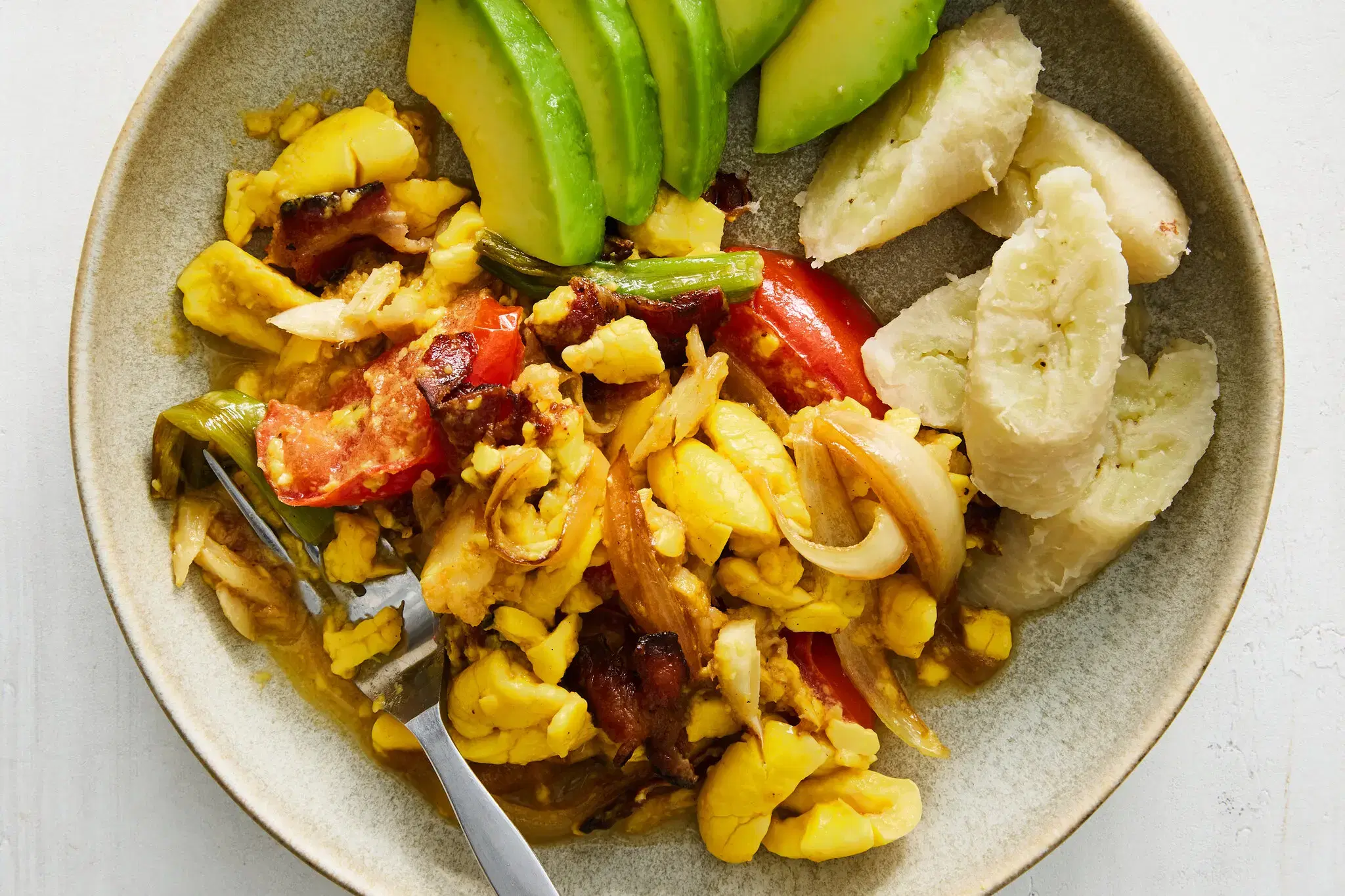
Ackee and Saltfish
Jamaica''s national dish — creamy ackee fruit sautéed with salted cod.

Bacalhau à Brás (Portuguese Salt Cod)
Shredded salt cod with crispy potatoes, scrambled eggs, and olives — Portugal's beloved comfort dish.
Baja-Style Fish Tacos (Tilapia)
Baja-Style Fish Tacos (Tilapia) — a Mexican main dish Ready in 30 minutes. Perfect for weeknight cooking. Quick and easy.

Baked Cod with Lemon and Dill
Baked cod with lemon, garlic, and fresh dill — light, flaky, and ready in 20 minutes.