mains · beef
Steak Frites
Steak frites with pan-seared NY strip, butter-basted, and double-fried crispy French fries.

Nutrition (per serving)
650
Calories
45g
Protein
40g
Carbs
35g
Fat
4g
Fiber
Ingredients
For the fries:
For the steak:
For serving:
Method
-
Soak the cut potatoes in cold water for at least 30 minutes (up to 2 hours). This removes excess surface starch that causes fries to stick together and brown unevenly. Drain and dry thoroughly with clean towels — water and hot oil are a dangerous combination, and wet potatoes drop the oil temperature.
-
First fry (blanch) at 325°F. Heat oil in a heavy pot to 325°F. Fry the potatoes in batches for 4–5 minutes until cooked through but pale — no color yet. Remove to a wire rack. This first fry cooks the starch inside the potato, creating the creamy interior. You can do this step up to 2 hours ahead.
-
Season the steaks generously with salt and pepper on all sides. Let them sit at room temperature for 20 minutes while the fries blanch. Room-temperature steak cooks more evenly — a cold center takes longer to reach temperature, which means the exterior overcooks before the middle catches up.
-
Sear the steaks in a smoking-hot cast iron skillet with 2 tbsp oil. Place the steaks down and don't touch them for 4 minutes. Flip and sear 3 minutes more. The crust should be deep brown, almost mahogany. This is the Maillard reaction at its most dramatic — hundreds of new flavor compounds forming at the interface of protein, fat, and intense heat.
-
Add butter, garlic, and thyme to the pan. Tilt the skillet toward you and use a spoon to baste the steaks with the foaming butter for 60 seconds. The butter browns (beurre noisette), the garlic and thyme infuse their aromatics into the fat, and every spoonful adds another layer of flavor to the crust. Pull the steaks when they hit 125°F internal for medium-rare.
-
Rest the steaks on a cutting board for 8–10 minutes, tented loosely with foil. During this time, the internal temperature rises to 130–135°F and the muscle fibers relax, redistributing juices evenly throughout the meat.
-
Second fry at 375°F. While the steaks rest, bring the oil back up to 375°F and fry the blanched potatoes in batches for 2–3 minutes until golden and crispy. The higher temperature rapidly dehydrates the surface, creating the shatteringly crisp exterior. Season with flaky salt immediately — salt sticks best to hot, slightly oily surfaces.
-
Slice the steak against the grain and serve alongside the fries with Dijon mustard and flaky salt. The combination of a perfectly seared steak and crispy frites is the essence of Parisian bistro cooking — simple ingredients, flawless technique.
Equipment
- Heavy-bottomed pot or Dutch oven (for frying) Recommended: Lodge 6-Quart Enameled Cast Iron Dutch Oven · Also good: Lodge 6-Quart Enameled Cast Iron Dutch Oven
- Deep-fry or candy thermometer
- Large cast iron skillet (12-inch) Recommended: Lodge 12-Inch Pre-Seasoned Cast Iron Skillet
- Instant-read thermometer Recommended: ThermoWorks ThermoPop 2
- Wire rack set over a sheet pan Recommended: Checkered Chef Half Sheet Pan and Rack Set
- Tongs Also good: Wok Spatula
- Cast iron skillet Recommended: Lodge 12-Inch Pre-Seasoned Cast Iron Skillet
- Stockpot Recommended: Tramontina 12-Quart Stainless Steel Stock Pot
- Wire rack Recommended: Checkered Chef Stainless Steel Wire Rack
- Deep pot or Dutch oven for frying Recommended: Lodge 6-Quart Enameled Cast Iron Dutch Oven
Chef Notes
- The most important thing: Pat the steaks completely dry and season generously with salt at least 30 minutes before cooking (or up to overnight in the fridge uncovered). Surface moisture is the enemy of a good sear — it steams instead of browning. Salting ahead draws out moisture, which then reabsorbs, seasoning the meat throughout.
- Double-fry the fries. The first fry at 325°F cooks the interior soft. The second fry at 375°F crisps the exterior. This is the same technique used in Belgian frites and is the only way to get fries that are creamy inside and shatteringly crisp outside.
- Baste the steak with butter, garlic, and thyme during the last minute of cooking. Tilt the pan and spoon the foaming butter over the steak repeatedly. This adds a layer of nutty, aromatic richness that oil alone can't provide.
- Use an instant-read thermometer. Pull at 125°F for medium-rare — carryover cooking adds 5–8°F during the rest.
- Let the steak rest for at least 8 minutes. Cutting too early means juice on the cutting board instead of in the meat.
Common Substitutions
| Ingredient | Substitution | Notes |
|---|---|---|
| Pork chops | Bone-in chicken thighs or turkey cutlets | Chicken thighs have similar fat. Turkey cutlets cook faster. |
| Steak (ribeye, strip, etc.) | Flat iron or hanger steak | Both are flavorful and more affordable. Slice against the grain. |
| Butter | Ghee or olive oil | Ghee for similar richness. Olive oil for dairy-free. |
| Potatoes | Sweet potatoes or cauliflower | Sweet potatoes add sweetness. Cauliflower for low-carb. |
| Fresh garlic | Garlic powder (¼ tsp per clove) | Fresh is always better but powder works in a pinch. |
| Dutch oven | Heavy-bottomed pot with tight lid | Any heavy pot works — the tight lid is essential. |
What You're Practicing
Butter-basting (arroser) is a classic French technique that adds richness and aroma to seared proteins. The butter browns in the hot pan, creating nutty beurre noisette, while the garlic and herbs infuse their flavors into the fat. This technique applies to fish fillets, pork chops, and any protein you sear in a skillet. Visit Techniques for more on pan-searing and basting.
The double-fry method teaches you about starch gelatinization and surface dehydration — two principles that apply far beyond French fries. The first low-temperature fry cooks the starch; the second high-temperature fry crisps the surface. This same two-stage approach is used in fried chicken, tempura, and any application where you want a crispy exterior and tender interior. Explore Compound Butters for finishing sauces that pair with seared steaks.
Some equipment and ingredient links are affiliate links. We earn a small commission at no extra cost to you. Learn more
Comments (0)
Sign in to commentNo comments yet. Be the first to share your thoughts.
Frequently Asked Questions
- Can I make Steak Frites ahead of time?
- Yes. ahead.
- How do I store leftover Steak Frites?
- Store in an airtight container in the refrigerator for 3-4 days. Reheat gently over medium-low heat, adding a splash of broth or water to prevent drying out.
- Can I freeze Steak Frites?
- Yes — most cooked mains freeze well for up to 3 months. Cool completely, store in freezer-safe containers, and thaw overnight in the refrigerator before reheating.
- How many servings does this recipe make?
- This recipe serves 2. You can scale the ingredients up or down proportionally — use the Meal Plan servings slider to adjust the grocery list automatically.
- Is Steak Frites gluten free and high protein?
- Yes — this recipe is gluten free and high protein. Check the Common Substitutions section for additional dietary adaptations.
- Is this an authentic French recipe?
- This recipe follows traditional French techniques and ingredients. The Chef Notes section explains any adaptations for home kitchen accessibility and suggests authentic alternatives where substitutions are made.
- What substitutions can I make for Steak Frites?
- See the Common Substitutions section above for ingredient and equipment swaps with specific trade-off notes for each alternative.
You Might Also Like

Bacalhau à Brás (Portuguese Salt Cod)
Shredded salt cod with crispy potatoes, scrambled eggs, and olives — Portugal's beloved comfort dish.
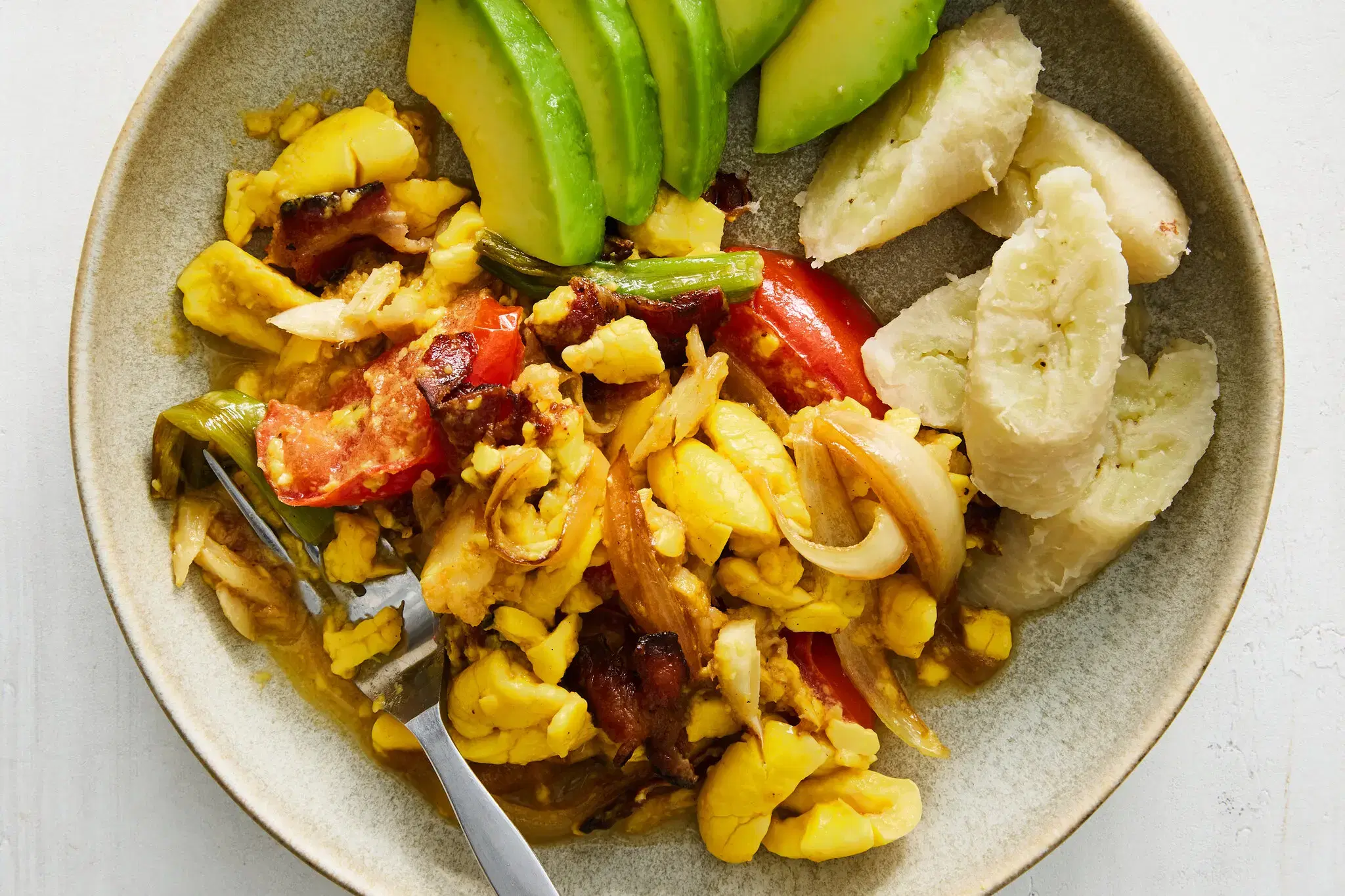
Ackee and Saltfish
Jamaica''s national dish — creamy ackee fruit sautéed with salted cod.

American BBQ Ribs (Oven-to-Grill)
Fall-off-the-bone pork ribs with a spice rub and sticky BBQ glaze — no smoker required.

Argentine Steak with Chimichurri
Grilled ribeye with Argentina's iconic chimichurri — raw herb sauce with red wine vinegar and garlic.