mains · beef
Texas-Style Brisket (Oven Method)
Salt-and-pepper brisket slow-roasted in the oven until tender with a dark bark — no smoker required.

Nutrition (per serving)
420
Calories
38g
Protein
2g
Carbs
28g
Fat
0g
Fiber
Ingredients
For the rub:
For the brisket:
For serving:
Method
-
Trim the brisket by placing it fat-cap up on a cutting board. Trim the fat cap to an even 1/4-inch thickness — remove any hard, waxy fat that won't render. Flip and remove the large, hard fat deposit between the flat and point (the "deckle"). Trim any thin, floppy edges that would burn. Good trimming takes 15-20 minutes and is the difference between great brisket and mediocre brisket.
-
Apply the rub by coating the brisket with a thin layer of yellow mustard (the binder — it cooks off completely). Mix the pepper, salt, garlic powder, onion powder, and paprika. Season the brisket generously on all sides, pressing the rub into the meat. The coarse pepper creates the signature bark — the dark, flavorful crust that defines Texas brisket.
-
Set up the oven at 250°F. Place the brisket fat-cap up on a wire rack set over a rimmed sheet pan. Insert a leave-in probe thermometer into the thickest part of the flat. The low temperature and long cook time break down the collagen in the brisket's tough connective tissue, converting it to gelatin.
-
Cook for 1-1.5 hours per pound — a 12 lb brisket takes 12-18 hours. At around 165°F internal (usually 6-8 hours in), you'll hit the stall. The surface moisture evaporates, cooling the meat and stalling the temperature rise. You have two options: push through (add 2-4 hours) or wrap in butcher paper and return to the oven (the Texas crutch — speeds through the stall while preserving bark).
-
Check for doneness starting at 195°F internal. Insert a probe or skewer into the thickest part of the flat. When it slides in with zero resistance — like warm butter — the brisket is done. This usually happens between 200-205°F, but the probe test matters more than the number.
-
Rest the brisket by wrapping it in butcher paper (if not already wrapped), then in old towels, and placing it in a cooler (no ice) for 1-4 hours. This resting period is not optional — it allows the collagen to set and the juices to redistribute throughout the meat. Cutting too early means dry, crumbly brisket.
-
Slice against the grain into pencil-thick slices. The flat and point have different grain directions — find the grain on each section and slice perpendicular to it. Serve on white bread with pickles and onion. In Texas, great brisket doesn't need sauce — but nobody will judge you for having some on the side.
Equipment
- Rimmed sheet pan Recommended: Nordic Ware Natural Aluminum Half Sheet Pan
- Instant-read thermometer Recommended: ThermoWorks ThermoPop 2
- Leave-in probe thermometer Recommended: ThermoWorks DOT Simple Alarm Thermometer
- Butcher paper (pink/peach, not wax-coated)
- Wire rack Recommended: Checkered Chef Stainless Steel Wire Rack
- Tongs Also good: Wok Spatula
- Metal or wooden skewers
Chef Notes
- The most important thing: In Texas, brisket is salt, pepper, and fire. The two-ingredient rub (coarse black pepper + kosher salt in a 1.5:1 ratio) is the Central Texas tradition. Don't overthink it — the beef is the star, not the seasoning.
- Trim the fat cap to 1/4 inch. Too much fat prevents the bark from forming; too little and the brisket dries out. The fat cap goes UP in the oven so it bastes the meat as it renders.
- The stall is real. Around 150-170°F internal, the brisket's temperature will plateau for hours as moisture evaporates from the surface (evaporative cooling). Don't panic. Push through it or wrap in butcher paper at 165°F to power through faster (the "Texas crutch").
- Target 200-205°F internal temperature. The brisket is done when a probe slides into the thickest part with zero resistance — like pushing into warm butter. Temperature alone isn't enough; the probe test is the real indicator.
- Rest for at least 1 hour, ideally 2-4 hours wrapped in butcher paper inside a cooler. Resting allows the collagen to set and the juices to redistribute. Cutting too early means dry brisket.
Common Substitutions
| Ingredient | Substitution | Notes |
|---|---|---|
| Whole packer brisket | Brisket flat only (5-7 lbs) | Easier to manage — cook time drops to 8-10 hours |
| Oven method | Smoker at 225-250°F | The gold standard — adds real smoke flavor |
| Coarse black pepper | 16-mesh café grind pepper | Standard grind is too fine — you need coarse for bark texture |
| Butcher paper wrap | Aluminum foil ("Texas crutch") | Foil traps more moisture — bark softens but cook time is faster |
| Yellow mustard binder | Olive oil or Worcestershire | Any thin liquid helps the rub adhere |
What You're Practicing
Brisket is the ultimate test of patience and temperature control. The 12-18 hour cook teaches you how collagen converts to gelatin over time — the same science behind pulled pork, braised short ribs, and any tough cut cooked low and slow. Understanding the stall (evaporative cooling) and the probe test (texture over temperature) makes you a better cook with every protein. Visit Techniques for more on low-and-slow cooking.
The simple salt-and-pepper rub teaches you that great barbecue is about technique, not ingredients. Central Texas pitmasters use two seasonings and produce the best brisket in the world. This philosophy — trust the ingredient, master the technique — is the most important lesson in cooking. See Spice Blends for more on minimalist seasoning approaches.
Video Resources
Some equipment and ingredient links are affiliate links. We earn a small commission at no extra cost to you. Learn more
Comments (0)
Sign in to commentNo comments yet. Be the first to share your thoughts.
Frequently Asked Questions
- Can I make Texas-Style Brisket (Oven Method) ahead of time?
- Yes — prep the components up to a day ahead and store covered in the refrigerator. Reheat gently or bring to room temperature before serving.
- How do I store leftover Texas-Style Brisket (Oven Method)?
- Store in an airtight container in the refrigerator for 3-4 days. Reheat gently over medium-low heat, adding a splash of broth or water to prevent drying out.
- Can I freeze Texas-Style Brisket (Oven Method)?
- Yes — most cooked mains freeze well for up to 3 months. Cool completely, store in freezer-safe containers, and thaw overnight in the refrigerator before reheating.
- How many servings does this recipe make?
- This recipe serves 10. You can scale the ingredients up or down proportionally — use the Meal Plan servings slider to adjust the grocery list automatically.
- Why does Texas-Style Brisket (Oven Method) take so long?
- This recipe takes 8 hours because low-and-slow cooking breaks down tough connective tissue into tender, flavorful gelatin. The hands-on time is much shorter — most of the cook time is unattended.
- Is Texas-Style Brisket (Oven Method) dairy free and high protein and keto?
- Yes — this recipe is dairy free and high protein and keto. Check the Common Substitutions section for additional dietary adaptations.
- What substitutions can I make for Texas-Style Brisket (Oven Method)?
- See the Common Substitutions section above for ingredient and equipment swaps with specific trade-off notes for each alternative.
You Might Also Like

American BBQ Ribs (Oven-to-Grill)
Fall-off-the-bone pork ribs with a spice rub and sticky BBQ glaze — no smoker required.
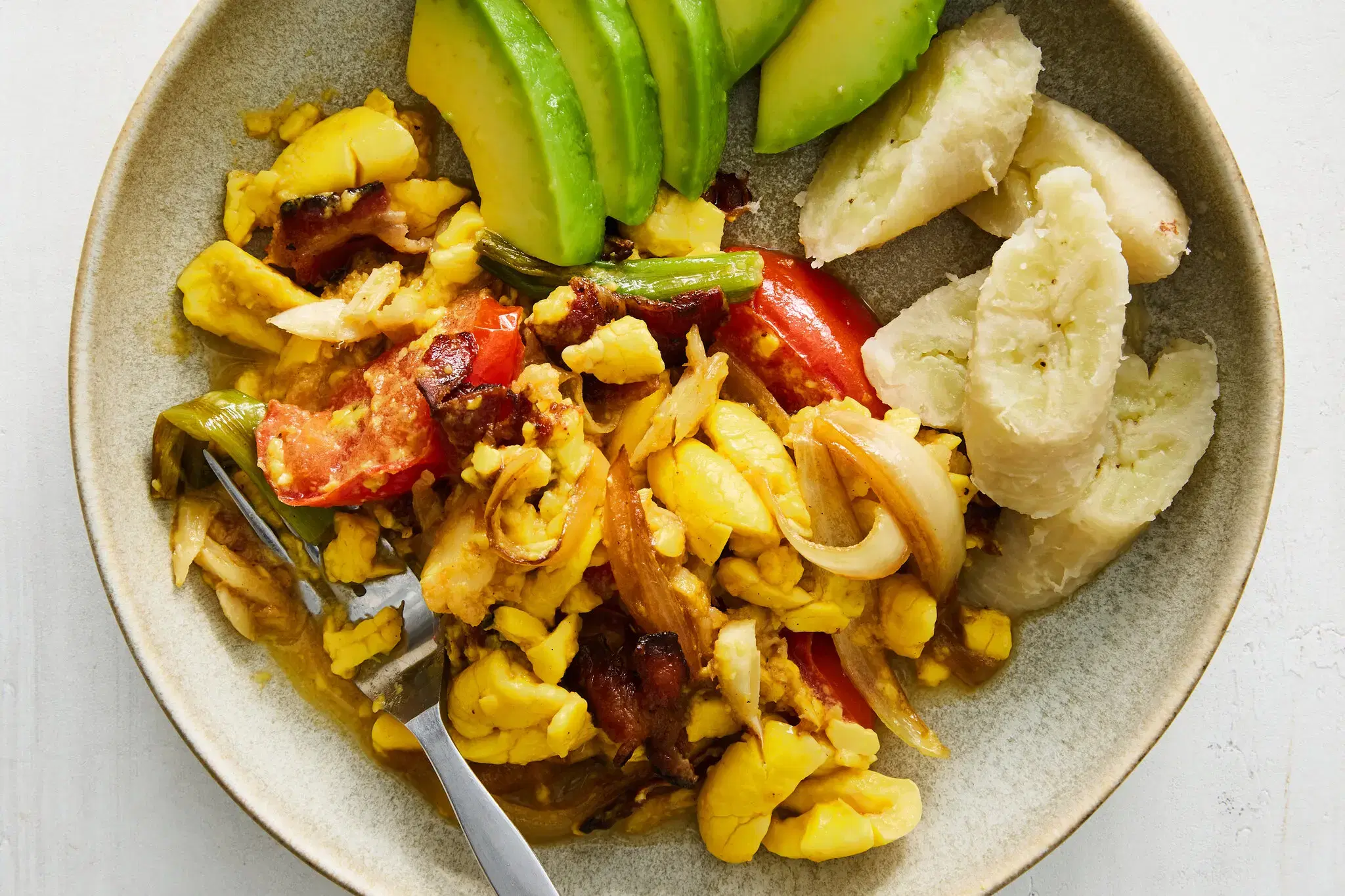
Ackee and Saltfish
Jamaica''s national dish — creamy ackee fruit sautéed with salted cod.

Bacalhau à Brás (Portuguese Salt Cod)
Shredded salt cod with crispy potatoes, scrambled eggs, and olives — Portugal's beloved comfort dish.

Argentine Steak with Chimichurri
Grilled ribeye with Argentina's iconic chimichurri — raw herb sauce with red wine vinegar and garlic.