mains · Beef
The Perfect Grilled Steak (Two-Zone Method)
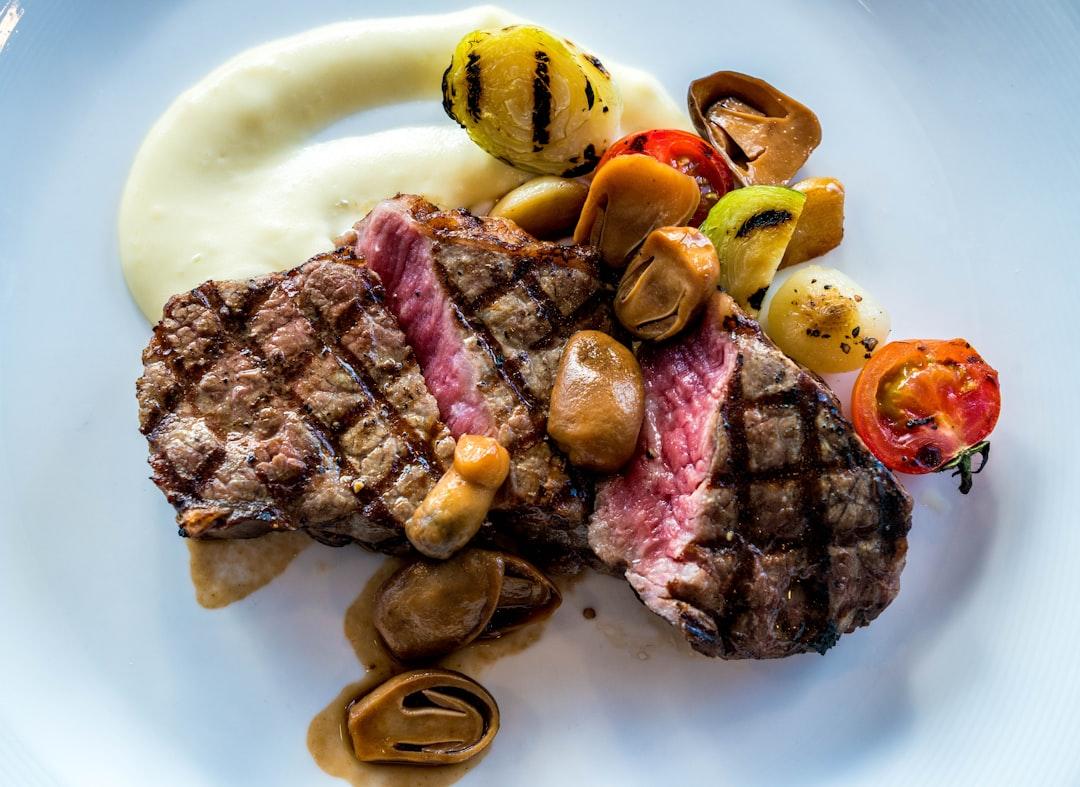
A thick-cut ribeye grilled over a two-zone fire — hard sear, then gentle indirect heat to a perfect medium-rare. The definitive grilling technique.
Nutrition (per serving)
580
Calories
48g
Protein
0g
Carbs
42g
Fat
0g
Fiber
Ingredients
A thick-cut ribeye grilled over a two-zone fire — hard sear, then gentle indirect heat to a perfect medium-rare. The definitive grilling technique.
Method
-
Salt the steaks generously on all sides at least 45 minutes before grilling (or up to 24 hours in the fridge, uncovered). This dry-brine draws moisture out, dissolves the salt, then the moisture is reabsorbed — seasoning the meat deeply and drying the surface for a better sear.
-
Remove steaks from fridge 30 minutes before grilling. Pat completely dry with paper towels. Season with pepper and brush with oil.
-
Set up a two-zone fire: all coals on one side (charcoal) or half burners on high (gas). The hot zone should be 500°F+. Clean and oil the grates.
-
Place steaks on the hot zone directly over the coals. Sear 3-4 minutes without moving until a deep brown crust forms. Flip and sear the other side 3-4 minutes.
-
Move steaks to the cool zone (indirect heat). Close the lid. Cook until internal temperature reaches 120°F for medium-rare (about 5-8 minutes depending on thickness). Use an instant-read thermometer — do not guess.
-
Remove steaks to a cutting board. Top each with a tablespoon of compound butter. Tent loosely with foil and rest 8-10 minutes. The internal temperature will rise 5-10°F during resting (carryover cooking).
-
Slice against the grain if desired, or serve whole. The steak should have a dark, caramelized crust and a uniformly pink interior from edge to edge.
Equipment
- Grill or grill pan Recommended: Lodge Pre-Seasoned Cast Iron Grill Pan
- Instant-read thermometer Recommended: ThermoWorks ThermoPop 2
- Tongs Also good: Wok Spatula
Chef Notes
- The most important thing: Pull at 130°F for medium-rare (it carries over 5°F during rest). Use an instant-read thermometer — color is unreliable.
- Clean and oil the grates before cooking. A dirty grate causes sticking. Use a paper towel dipped in oil, held with tongs.
- This comes together in 30 minutes — have everything prepped before you start cooking. Speed is the technique here.
- Taste as you go and adjust seasoning at the end. Salt levels change as liquids reduce and flavors concentrate.
Common Substitutions
| Ingredient | Substitution | Notes |
|---|---|---|
| Steak (ribeye, strip, etc.) | Flat iron or hanger steak | Both are flavorful and more affordable. Slice against the grain. |
| Butter | Ghee or olive oil | Ghee for similar richness. Olive oil for dairy-free. |
| Grill | Cast iron skillet + broiler | Sear in skillet, finish under broiler for char. |
What You're Practicing
The two-zone method: This is the most important grilling technique. Direct heat creates the crust (Maillard reaction at 300°F+). Indirect heat gently brings the interior to temperature without overcooking the exterior. Without two zones, thick steaks end up with a grey band of overcooked meat around a raw center.
Dry-brining: Salting ahead of time is not the same as salting right before cooking. The 45-minute minimum allows the salt to penetrate beyond the surface, seasoning the meat throughout. It also dries the surface, which is critical for searing — wet surfaces steam instead of browning.
The thermometer: Professional cooks use thermometers. The finger-poke test is unreliable and varies by hand size, callus thickness, and meat cut. An instant-read thermometer removes all guesswork. Pull at 120°F for medium-rare (it'll coast to 130°F during rest).
Resting: When meat cooks, the muscle fibers contract and push moisture toward the center. Resting allows the fibers to relax and the moisture to redistribute evenly. Cut a steak immediately off the grill and juice pools on the plate. Rest it 10 minutes and the juice stays in the meat.
Some equipment and ingredient links are affiliate links. We earn a small commission at no extra cost to you. Learn more
Comments (0)
Sign in to commentNo comments yet. Be the first to share your thoughts.
Frequently Asked Questions
- Can I make The Perfect Grilled Steak (Two-Zone Method) ahead of time?
- Yes. ahead of time is not the same as salting right before cooking.
- How do I store leftover The Perfect Grilled Steak (Two-Zone Method)?
- Store in an airtight container in the refrigerator for 3-4 days. Reheat gently over medium-low heat, adding a splash of broth or water to prevent drying out.
- Can I freeze The Perfect Grilled Steak (Two-Zone Method)?
- Yes — most cooked mains freeze well for up to 3 months. Cool completely, store in freezer-safe containers, and thaw overnight in the refrigerator before reheating.
- How many servings does this recipe make?
- This recipe serves 2. You can scale the ingredients up or down proportionally — use the Meal Plan servings slider to adjust the grocery list automatically.
- Is The Perfect Grilled Steak (Two-Zone Method) a quick recipe?
- Yes — this recipe is ready in 30 minutes including prep time, making it perfect for busy weeknights.
- Is The Perfect Grilled Steak (Two-Zone Method) high protein and gluten free and keto?
- Yes — this recipe is high protein and gluten free and keto. Check the Common Substitutions section for additional dietary adaptations.
- What substitutions can I make for The Perfect Grilled Steak (Two-Zone Method)?
- See the Common Substitutions section above for ingredient and equipment swaps with specific trade-off notes for each alternative.
You Might Also Like
Ackee and Saltfish
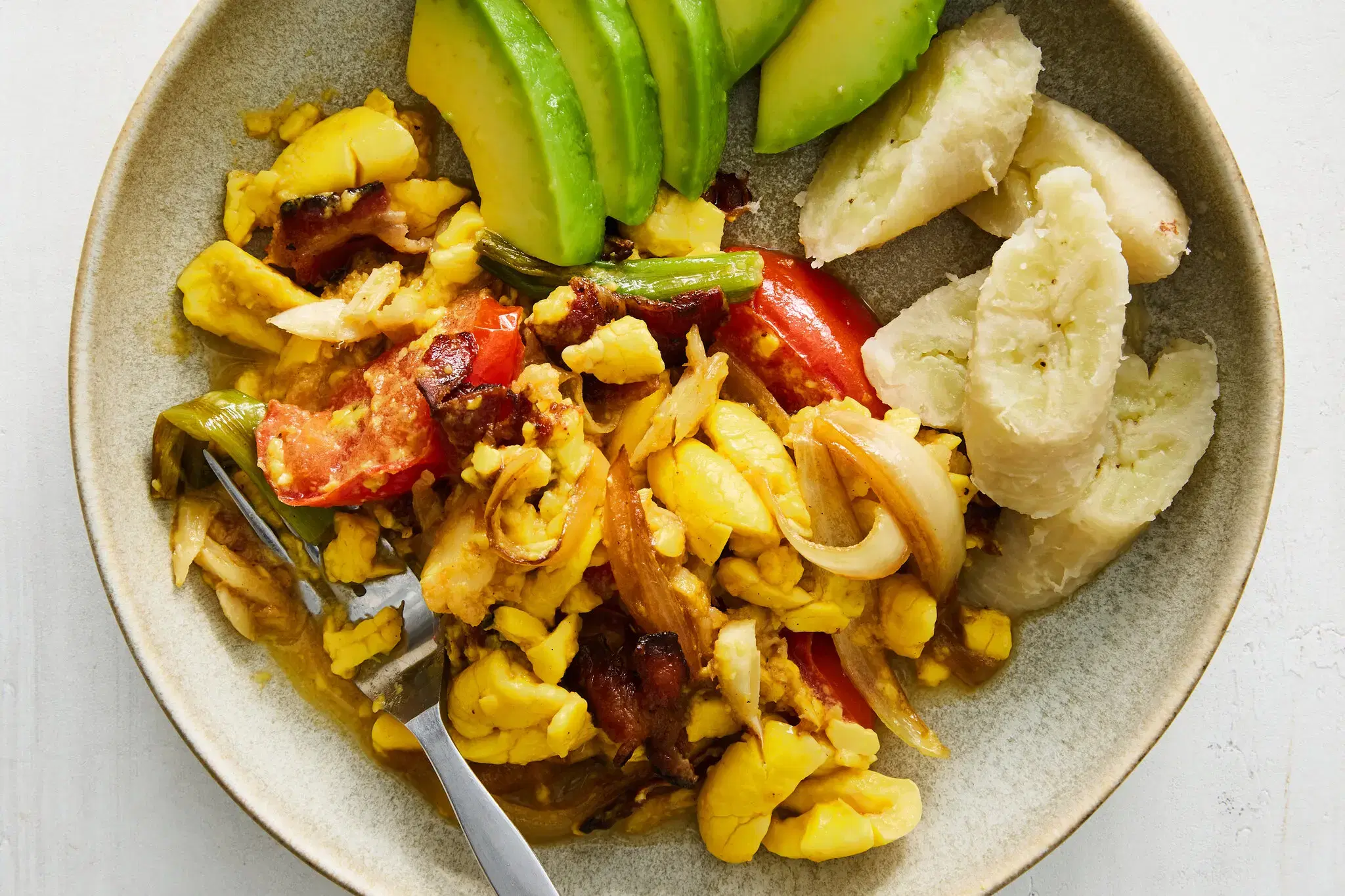
Jamaica''s national dish — creamy ackee fruit sautéed with salted cod.

Argentine Steak with Chimichurri
Grilled ribeye with Argentina's iconic chimichurri — raw herb sauce with red wine vinegar and garlic.

Bacalhau à Brás (Portuguese Salt Cod)
Shredded salt cod with crispy potatoes, scrambled eggs, and olives — Portugal's beloved comfort dish.

Asian Chicken Lettuce Wraps
Asian chicken lettuce wraps with savory ground chicken, water chestnuts, and hoisin in butter lettuce.