sides · Soup
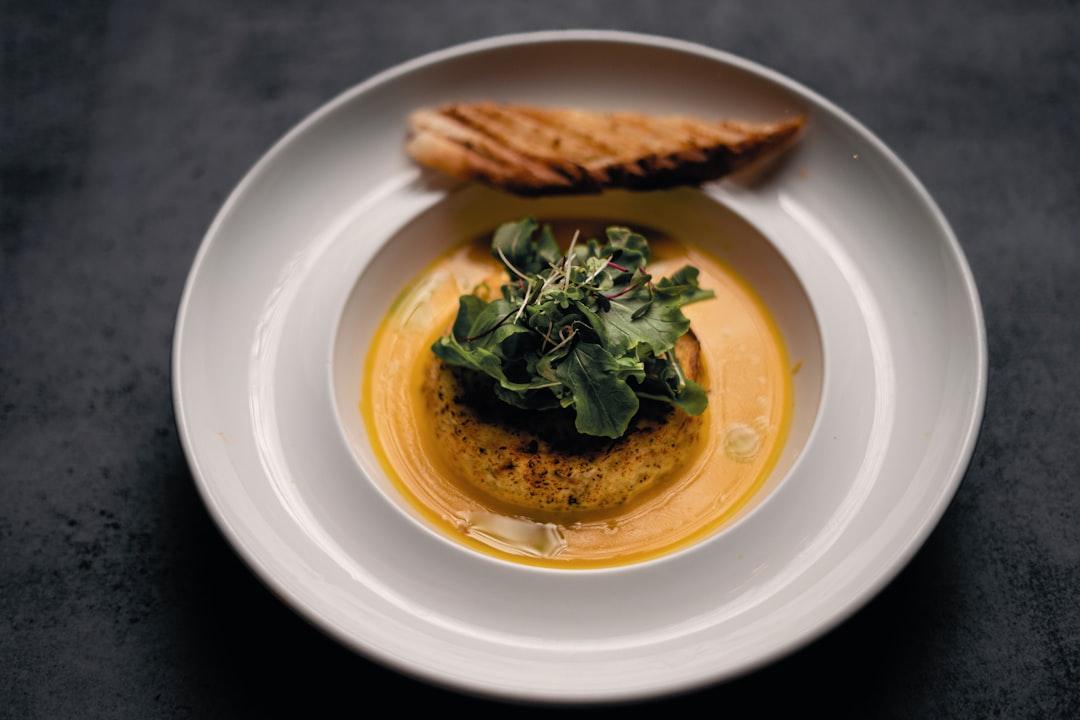
Butternut Squash Bisque with Sage Brown Butter
Silky roasted squash soup finished with a sage brown butter drizzle. Teaches the purée soup method and the liaison technique.
Nutrition (per serving)
280
Calories
5g
Protein
36g
Carbs
15g
Fat
5g
Fiber
Ingredients
Silky roasted squash soup finished with a sage brown butter drizzle. Teaches the purée soup method and the liaison technique.
Method
-
Preheat oven to 400°F. Place squash halves cut-side down on a lined baking sheet. Roast 40-45 minutes until completely tender when pierced with a knife. Scoop out the flesh (discard skin). You should have about 3 cups.
-
While squash roasts, heat olive oil in a large pot over medium heat. Add onion and cook 6-7 minutes until soft and translucent. Add garlic, nutmeg, and cayenne. Cook 1 minute.
-
Add roasted squash and stock. Bring to a simmer and cook 10 minutes to meld flavors.
-
Purée the soup using an immersion blender (or in batches in a regular blender — leave the lid slightly ajar to vent steam). Blend until completely smooth with no chunks.
-
Return to low heat. Stir in cream. Season with salt and white pepper. The soup should be velvety and coat the back of a spoon.
-
Make the sage brown butter: Melt butter in a small skillet over medium heat. Once it foams, add sage leaves. Cook, swirling the pan, until butter turns golden brown and smells nutty (about 3 minutes). The sage will crisp up. Remove from heat immediately — brown butter goes from perfect to burnt in seconds.
-
Ladle soup into warm bowls. Drizzle sage brown butter over each bowl and place 2-3 crispy sage leaves on top. Finish with flaky salt.
Equipment
- Rimmed sheet pan Recommended: Nordic Ware Natural Aluminum Half Sheet Pan
- Instant-read thermometer Recommended: ThermoWorks ThermoPop 2
- Blender Recommended: Ninja Professional Plus Blender
- Stockpot Recommended: Tramontina 12-Quart Stainless Steel Stock Pot
- Stainless steel skillet Recommended: Tramontina 12-Inch Tri-Ply Clad Stainless Steel Fry Pan
Chef Notes
- The most important thing: 165°F internal for breast, 175°F for thighs. Thighs are more forgiving — they stay juicy even slightly overcooked.
- Let the oven fully preheat — at least 15 minutes. An under-heated oven produces pale, steamed food instead of caramelized, roasted food.
- Taste as you go and adjust seasoning at the end. Salt levels change as liquids reduce and flavors concentrate.
- If you're unsure about doneness, use an instant-read thermometer. It removes all guesswork and costs less than one ruined dinner.
Common Substitutions
| Ingredient | Substitution | Notes |
|---|---|---|
| Heavy cream | Coconut cream or cashew cream | Coconut adds sweetness. Cashew is most neutral. |
| Butter | Ghee or olive oil | Ghee for similar richness. Olive oil for dairy-free. |
| Whole milk | Oat milk or almond milk | Oat milk is creamiest. Almond is thinner — add 1 tsp oil. |
| Olive oil | Avocado oil or grapeseed oil | Avocado oil has higher smoke point. Grapeseed is neutral. |
| Chicken broth | Vegetable broth or mushroom broth | Mushroom broth adds umami depth closest to chicken. |
What You're Practicing
Purée soup technique: This is the cleanest way to make a thick, creamy soup without any flour or roux. The starch in the squash provides natural body. Roasting the squash first (rather than boiling) concentrates its sugars and removes excess water, resulting in a more intense flavor.
Immersion blender safety: When blending hot soup, keep the blender head fully submerged to avoid splashing. Move it slowly through the pot. If using a countertop blender, never fill it more than half full with hot liquid, and hold the lid down with a towel — steam pressure can blow the lid off.
Brown butter (beurre noisette): Brown butter is one of the most useful techniques in cooking. The milk solids in butter toast when heated past the foaming stage, creating a nutty, caramel-like flavor. The window between brown and burnt is about 30 seconds, so watch the color and smell carefully. Pull it off heat the moment it turns golden — residual heat will continue browning.
The cream addition: Adding cream at the end (rather than cooking it into the soup) preserves its fresh dairy flavor and prevents it from reducing and becoming heavy. Stir it in gently and never boil after adding.
Some equipment and ingredient links are affiliate links. We earn a small commission at no extra cost to you. Learn more
Comments (0)
Sign in to commentNo comments yet. Be the first to share your thoughts.
Frequently Asked Questions
- Can I make Butternut Squash Bisque with Sage Brown Butter ahead of time?
- Yes — prep the components up to a day ahead and store covered in the refrigerator. Reheat gently or bring to room temperature before serving.
- How do I store leftover Butternut Squash Bisque with Sage Brown Butter?
- Store in an airtight container in the refrigerator for 3-4 days. Most sides reheat well in the oven at 350°F for 10-15 minutes.
- Can I freeze Butternut Squash Bisque with Sage Brown Butter?
- Most cooked sides freeze well for 2-3 months. Soups and stews freeze especially well. Avoid freezing dishes with high dairy content — they can separate when thawed.
- How many servings does this recipe make?
- This recipe serves 4. You can scale the ingredients up or down proportionally — use the Meal Plan servings slider to adjust the grocery list automatically.
- Is Butternut Squash Bisque with Sage Brown Butter vegetarian and gluten free?
- Yes — this recipe is vegetarian and gluten free. Check the Common Substitutions section for additional dietary adaptations.
- What substitutions can I make for Butternut Squash Bisque with Sage Brown Butter?
- See the Common Substitutions section above for ingredient and equipment swaps with specific trade-off notes for each alternative.
You Might Also Like

Baba Ganoush
Baba ganoush with charred eggplant and tahini — smoky, creamy, and deeply savory.

Baked Sweet Potato Fries
Baked sweet potato fries with a cornstarch coating for crispy edges and sriracha mayo for dipping.

Baked Mac and Cheese (American Classic)
Creamy béchamel-based mac and cheese with sharp cheddar, Gruyère, and a golden panko crust.
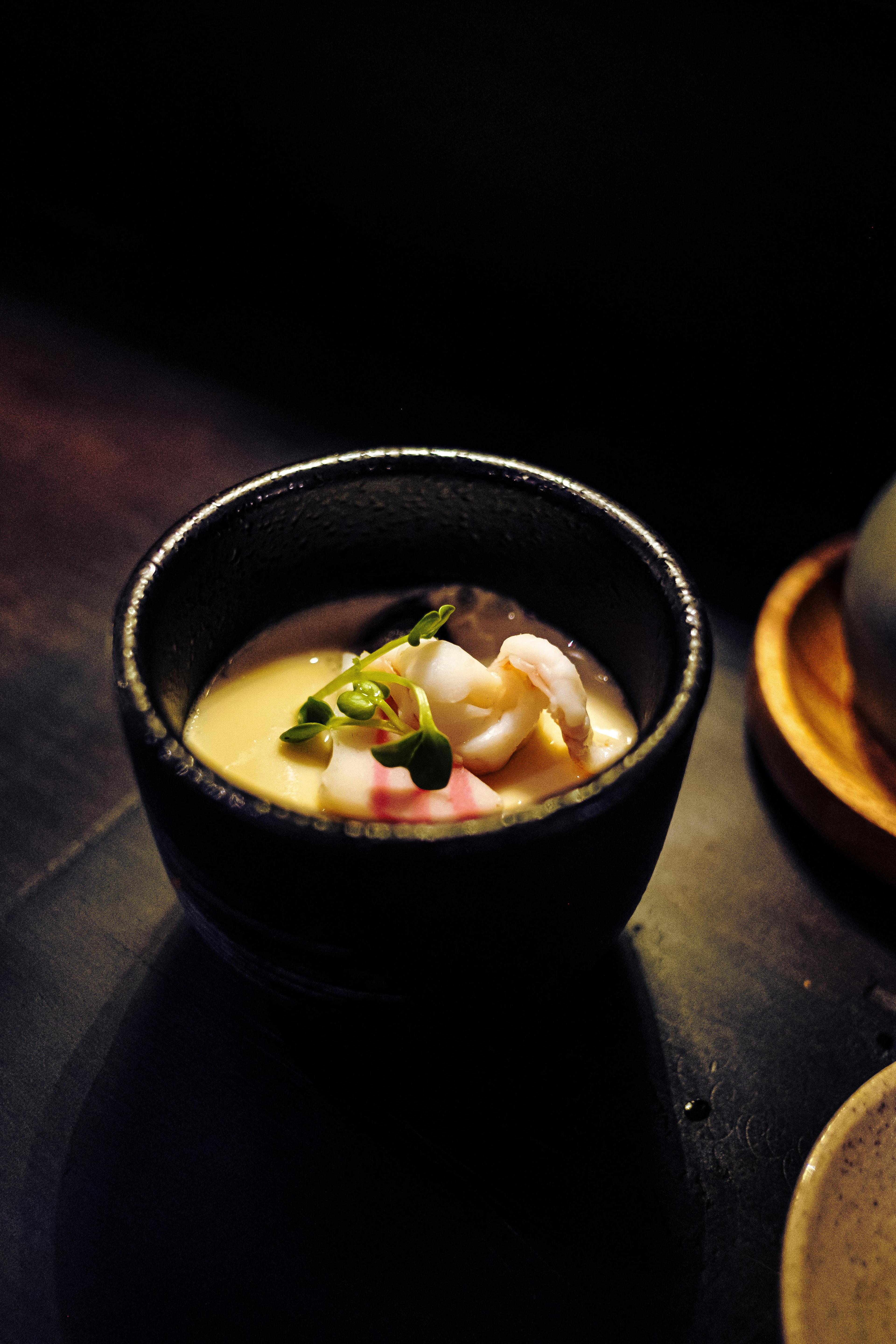
Chawanmushi (Japanese Savory Egg Custard)
Chawanmushi — a silky Japanese steamed egg custard with shrimp, chicken, and mushroom hidden inside.