sides · eggs
Classic Deviled Eggs
Classic deviled eggs with a smooth, tangy filling and paprika finish — plus variations for every occasion.

Nutrition (per serving)
140
Calories
6g
Protein
1g
Carbs
12g
Fat
0g
Fiber
Ingredients
Method
-
Place eggs in a single layer in a saucepan and cover with cold water by 1 inch. Bring to a full rolling boil over high heat. As soon as the water boils, cover the pot, remove from heat, and let sit for exactly 10 minutes. This off-heat method produces consistently perfect hard-boiled eggs with fully set yolks and no green ring.
-
While the eggs cook, prepare an ice bath — a large bowl filled with ice and cold water. After 10 minutes, transfer the eggs immediately to the ice bath using a slotted spoon. Let them chill for at least 5 minutes. The rapid cooling stops the cooking process and causes the egg to contract slightly from the shell, making peeling dramatically easier.
-
Peel the eggs under gently running water — the water helps separate the membrane from the white. Start peeling from the wider end where the air pocket sits. Gently roll each egg on the counter to crack the shell all over before peeling. Take your time.
-
Slice each egg in half lengthwise with a sharp, clean knife. Wipe the blade between cuts for clean edges. Carefully pop the yolks into a medium bowl. Arrange the whites on a serving platter, cavity-side up. If any whites tear, place them in the center of the platter where they'll be less visible.
-
Mash the yolks with a fork until no large lumps remain, then add mayonnaise, mustard, pickle relish, white vinegar, salt, and pepper. Mix until completely smooth and creamy. For an extra-smooth filling, press the yolks through a fine-mesh sieve before adding the other ingredients.
-
Taste the filling and adjust seasoning — it should be tangy, slightly sharp from the mustard, and well-salted. The filling should be bold because it's paired with the mild egg white. If it tastes perfect on its own, it's probably under-seasoned for the final product.
-
Pipe or spoon the filling into the egg white halves. For a polished look, use a piping bag with a star tip.
-
Garnish with a dusting of paprika and snipped fresh chives. For variations, try: crumbled bacon and cheddar, sriracha and sesame seeds, everything bagel seasoning, or smoked salmon with dill. Serve immediately or refrigerate covered for up to 24 hours.
Equipment
- Bowl of ice water
- Saucepan Recommended: Cuisinart Chef's Classic 3-Quart Saucepan
- Fine-mesh strainer Recommended: Winco 8-Inch Stainless Steel Fine Mesh Strainer
- Food processor Recommended: Vitamix VX1
Chef Notes
- The most important thing: Pull at 140°F internal — it carries over to 145°F during rest. The old 160°F rule is outdated and produces dry pork.
- Temperature controls fermentation speed. Warmer = faster but less complex. Cooler = slower but more nuanced flavors.
- This comes together in 25 minutes — have everything prepped before you start cooking. Speed is the technique here.
- Taste as you go and adjust seasoning at the end. Salt levels change as liquids reduce and flavors concentrate.
Common Substitutions
| Ingredient | Substitution | Notes |
|---|---|---|
| Salmon | Trout, arctic char, or steelhead | All are fatty fish with similar cook times. |
| Bacon | Pancetta or turkey bacon | Pancetta is unsmoked. Turkey bacon is leaner. |
| Cheddar | Gruyère or Monterey Jack | Gruyère is nuttier. Jack melts smoothly. |
| Mayonnaise | Greek yogurt or avocado | Yogurt is tangier. Mashed avocado for richness. |
| Paprika | Ancho chili powder or cayenne (use ¼ amount) | Ancho is smoky-sweet. Cayenne is much hotter. |
| Food processor | Blender or mortar and pestle | Blender for smooth. Mortar for chunky. |
What You're Practicing
Perfect hard-boiled eggs are a fundamental skill that many cooks struggle with. The off-heat method gives you consistent results every time by removing the variable of stove heat intensity.
The filling is a lesson in emulsification and flavor balancing on a small scale. Mayo (fat), mustard (acid and emulsifier), vinegar (acid), and relish (sweet and sour) create a balanced, creamy mixture.
Video Resources
Some equipment and ingredient links are affiliate links. We earn a small commission at no extra cost to you. Learn more
Comments (0)
Sign in to commentNo comments yet. Be the first to share your thoughts.
Frequently Asked Questions
- Can I make Classic Deviled Eggs ahead of time?
- Yes — prep the components up to a day ahead and store covered in the refrigerator. Reheat gently or bring to room temperature before serving.
- How do I store leftover Classic Deviled Eggs?
- Store in an airtight container in the refrigerator for 3-4 days. Most sides reheat well in the oven at 350°F for 10-15 minutes.
- Can I freeze Classic Deviled Eggs?
- Most cooked sides freeze well for 2-3 months. Soups and stews freeze especially well. Avoid freezing dishes with high dairy content — they can separate when thawed.
- How many servings does this recipe make?
- This recipe serves 6. You can scale the ingredients up or down proportionally — use the Meal Plan servings slider to adjust the grocery list automatically.
- Is Classic Deviled Eggs a quick recipe?
- Yes — this recipe is ready in 25 minutes including prep time, making it perfect for busy weeknights.
- Is Classic Deviled Eggs dairy free and gluten free?
- Yes — this recipe is dairy free and gluten free. Check the Common Substitutions section for additional dietary adaptations.
- What substitutions can I make for Classic Deviled Eggs?
- See the Common Substitutions section above for ingredient and equipment swaps with specific trade-off notes for each alternative.
You Might Also Like

Baba Ganoush
Baba ganoush with charred eggplant and tahini — smoky, creamy, and deeply savory.

Braised Collard Greens
Braised collard greens slow-simmered with bacon, vinegar, and chicken stock until silky tender.

Baked Sweet Potato Fries
Baked sweet potato fries with a cornstarch coating for crispy edges and sriracha mayo for dipping.
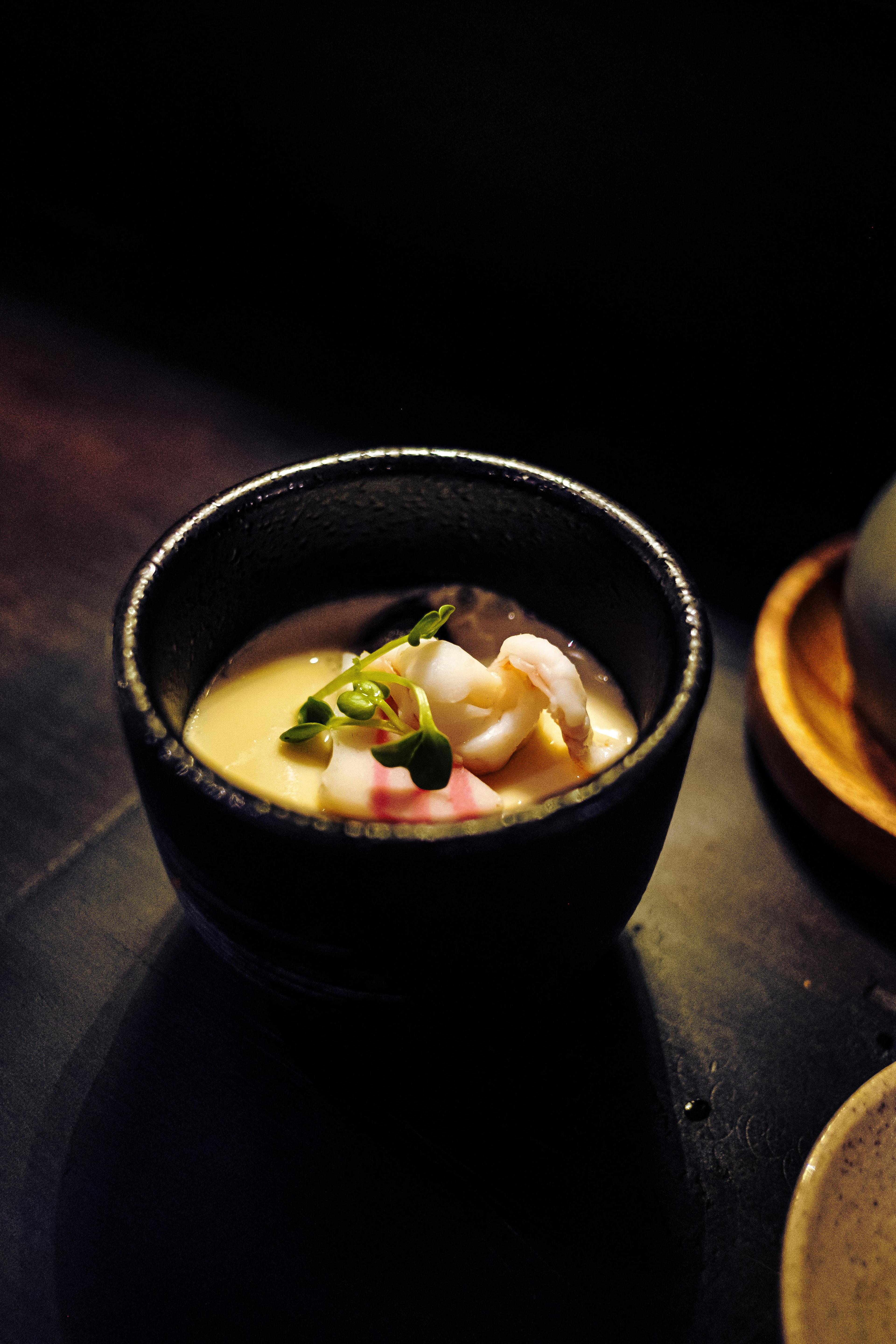
Chawanmushi (Japanese Savory Egg Custard)
Chawanmushi — a silky Japanese steamed egg custard with shrimp, chicken, and mushroom hidden inside.