sides · Appetizer
Fresh Mozzarella and Caprese
The touchstone cuisines of Western cooking — fresh pasta, cassoulet, charcuterie, and the traditions of France and Italy.

Nutrition (per serving)
280
Calories
8g
Protein
32g
Carbs
14g
Fat
4g
Fiber
Ingredients
Fresh Mozzarella
Caprese
Method
Mozzarella
-
Pour milk into a large pot. Stir in citric acid solution. Heat slowly to 90°F, stirring gently.
Stir only when necessary. Constant stirring prevents browning and can break down ingredients that benefit from sustained heat contact.
-
Add rennet solution, stir gently for 30 seconds. Stop stirring. Heat to 105°F. Turn off heat, let sit 5 min. Curds will form.
Stir only when necessary. Constant stirring prevents browning and can break down ingredients that benefit from sustained heat contact.
-
Cut curds into 1" squares with a long knife. Heat gently to 110°F, stirring very gently.
Stir only when necessary. Constant stirring prevents browning and can break down ingredients that benefit from sustained heat contact.
-
Scoop curds with a slotted spoon into a microwave-safe bowl. Drain whey.
Drain thoroughly — excess water dilutes sauces and prevents browning. A few extra seconds of draining makes a noticeable difference in the final dish.
-
Microwave 1 min. Drain whey, fold and press curds. Microwave 30 sec more. Add salt.
Salt early and throughout the cooking process. Salt added at the beginning penetrates the food; salt added at the end sits on the surface. Both are important, but the foundation matters most.
-
Stretch: When curds reach 135°F, stretch and fold like taffy until smooth and glossy. Shape into balls.
Fold gently to preserve the air you've incorporated. Use a large spatula, cut through the center, and sweep along the bottom and up the side. Overmixing deflates the mixture.
-
Drop into ice water to set shape. Use within 24 hours for best texture.
Caprese
- Alternate slices of tomato and mozzarella on a plate, overlapping slightly.
- Tuck basil leaves between slices.
- Drizzle generously with olive oil. Season with flaky salt and pepper.
- Optional: dots of aged balsamic.
Equipment
- Stockpot Recommended: Tramontina 12-Quart Stainless Steel Stock Pot
- Tongs Also good: Wok Spatula
- Cutting board Recommended: John Boos Maple Edge-Grain Cutting Board 18x12
- Mixing bowls Recommended: Vollrath Stainless Steel Mixing Bowls Set
Chef Notes
- The most important thing: Don't overcrowd the pan. Food releases moisture when it cooks — too much food at once drops the temperature and steams instead of sears.
- The hands-on time is much shorter than the total time. Most of the 24+ hours is unattended cooking — use that time for sides or cleanup.
- This recipe improves overnight as the flavors meld. Make it a day ahead if you can — it's even better reheated.
- Taste as you go and adjust seasoning at the end. Salt levels change as liquids reduce and flavors concentrate.
Common Substitutions
| Ingredient | Substitution | Notes |
|---|---|---|
| Cheese | Nutritional yeast or vegan cheese | Nutritional yeast for umami. Vegan cheese for melting. |
| Olive oil | Avocado oil or grapeseed oil | Avocado oil has higher smoke point. |
| Pasta | Gluten-free pasta or zucchini noodles | GF pasta: cook al dente. Zoodles: sauté briefly. |
What You're Learning
- Cheese making: acid + rennet coagulate milk proteins (casein) into curds
- Stretching develops the characteristic mozzarella texture (pasta filata)
- Caprese is the ultimate test of ingredient quality — there's nowhere to hide
- When ingredients are this simple, sourcing matters more than technique
- This connects to the Italian philosophy: few ingredients, each one exceptional
Foundations Referenced
- → Classic Vinaigrette (optional, for drizzling)
What You're Practicing
Plating is the final technique — composing a dish on the plate with intention. Color contrast, height, negative space, and sauce placement all affect how food is perceived before the first bite. Visit Techniques for more on presentation.
Every recipe you cook builds muscle memory and sensory awareness — knowing what a proper sear sounds like, what a finished sauce looks like, how a done protein feels. These instincts develop through repetition and attention, and they transfer across every dish and cuisine you'll encounter.
Some equipment and ingredient links are affiliate links. We earn a small commission at no extra cost to you. Learn more
Comments (0)
Sign in to commentNo comments yet. Be the first to share your thoughts.
Frequently Asked Questions
- Can I make Fresh Mozzarella and Caprese ahead of time?
- Yes. overnight as the flavors meld.
- How do I store leftover Fresh Mozzarella and Caprese?
- Store in an airtight container in the refrigerator for 3-4 days. Most sides reheat well in the oven at 350°F for 10-15 minutes.
- Can I freeze Fresh Mozzarella and Caprese?
- Most cooked sides freeze well for 2-3 months. Soups and stews freeze especially well. Avoid freezing dishes with high dairy content — they can separate when thawed.
- How many servings does this recipe make?
- This recipe serves 4. You can scale the ingredients up or down proportionally — use the Meal Plan servings slider to adjust the grocery list automatically.
- Why does Fresh Mozzarella and Caprese take so long?
- This recipe takes 24 hours because low-and-slow cooking breaks down tough connective tissue into tender, flavorful gelatin. The hands-on time is much shorter — most of the cook time is unattended.
- Is Fresh Mozzarella and Caprese gluten free and vegetarian?
- Yes — this recipe is gluten free and vegetarian. Check the Common Substitutions section for additional dietary adaptations.
- Is this an authentic French recipe?
- This recipe follows traditional French techniques and ingredients. The Chef Notes section explains any adaptations for home kitchen accessibility and suggests authentic alternatives where substitutions are made.
- What substitutions can I make for Fresh Mozzarella and Caprese?
- See the Common Substitutions section above for ingredient and equipment swaps with specific trade-off notes for each alternative.
You Might Also Like

Baba Ganoush
Baba ganoush with charred eggplant and tahini — smoky, creamy, and deeply savory.

Baked Sweet Potato Fries
Baked sweet potato fries with a cornstarch coating for crispy edges and sriracha mayo for dipping.
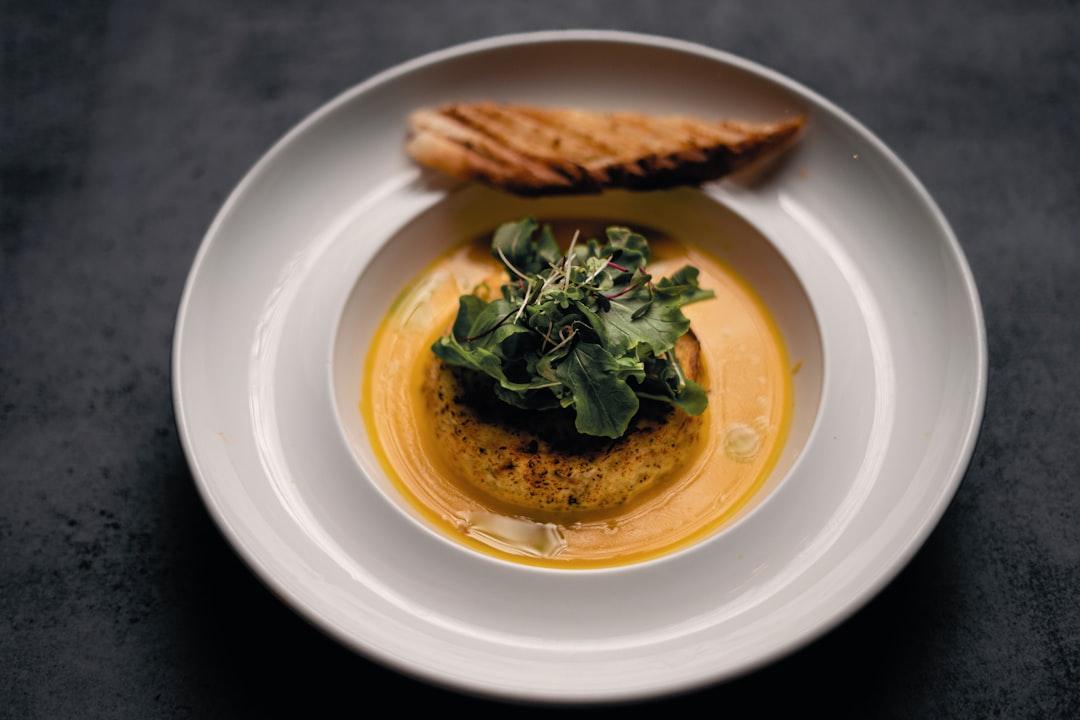
Butternut Squash Bisque with Sage Brown Butter
Silky roasted squash soup finished with a sage brown butter drizzle. Teaches the purée soup method and the liaison technique.

Baked Mac and Cheese (American Classic)
Creamy béchamel-based mac and cheese with sharp cheddar, Gruyère, and a golden panko crust.