sides · soup
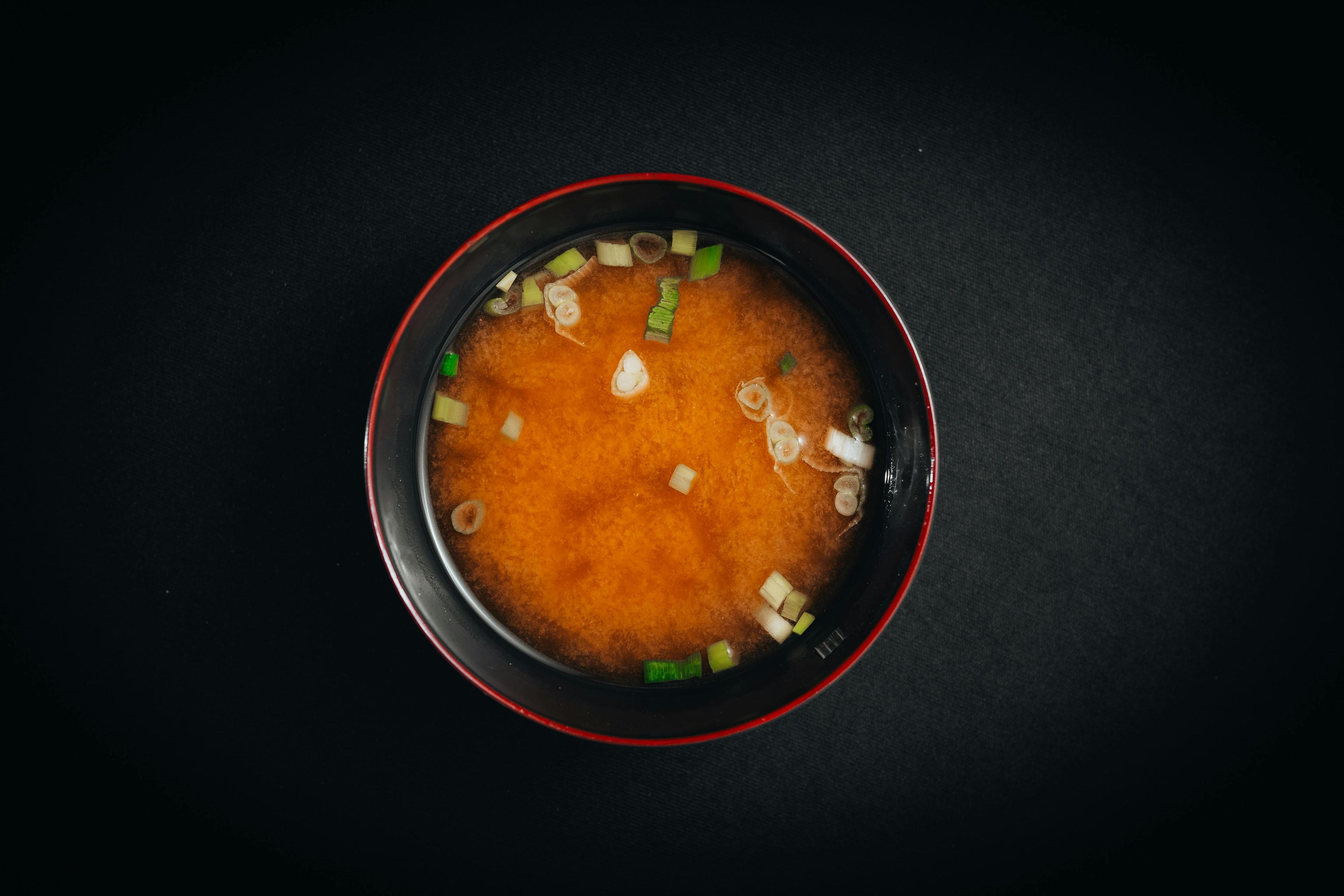
Miso Soup (Misoshiru)
Authentic miso soup with dashi, tofu, and wakame. A 15-minute Japanese essential for any meal.
Nutrition (per serving)
75
Calories
6g
Protein
7g
Carbs
3g
Fat
2g
Fiber
Ingredients
Method
-
Rehydrate the wakame by soaking in a small bowl of room-temperature water for 5 minutes. It will expand to several times its dried size. Drain and set aside. Wakame is one of the most nutritious sea vegetables — rich in minerals and umami compounds that complement the dashi.
-
Heat the dashi in a medium saucepan over medium heat until it reaches a gentle simmer — small bubbles around the edges, not a rolling boil. If using dashi powder, dissolve it in the water as it heats. Dashi is the soul of Japanese cooking — a clean, umami-rich stock that provides the foundation for miso soup, noodle broths, and simmered dishes.
-
Add the tofu cubes to the simmering dashi. Let them warm through for 2 minutes. Handle tofu gently — silken tofu breaks apart easily. The gentle poaching in dashi infuses the tofu with umami without damaging its delicate texture.
-
Remove the pot from heat. Place the miso paste in a small fine-mesh strainer or ladle and lower it into the broth. Use chopsticks or a spoon to dissolve the miso through the strainer, which catches any undissolved lumps. This is the traditional Japanese method — it ensures smooth, evenly distributed miso without clumps.
-
Add the drained wakame and sliced scallions. Stir gently once. The residual heat is enough to warm the wakame and wilt the scallions slightly.
-
Serve immediately in small bowls. Miso soup is traditionally served alongside rice and a main dish at every Japanese meal — breakfast, lunch, and dinner. It's the quiet constant of Japanese home cooking.
Equipment
- Medium saucepan Recommended: Cuisinart Chef's Classic 3-Quart Saucepan
- Small fine-mesh strainer or ladle Recommended: Winco 8-Inch Stainless Steel Fine Mesh Strainer
- Cutting board Recommended: John Boos Maple Edge-Grain Cutting Board 18x12
Chef Notes
- The most important thing: Never boil miso. Boiling kills the live cultures and destroys the delicate flavor. Remove the pot from heat before dissolving the miso, or keep it at a bare simmer.
- White miso (shiro miso) is mild and slightly sweet — best for everyday miso soup. Red miso (aka miso) is stronger and saltier, better for heartier soups. You can blend both for complexity.
- Dashi is the foundation. If you have time, make it from scratch with kombu and bonito flakes (see Stocks). Instant dashi powder is a perfectly acceptable shortcut for weeknight cooking.
- Dried wakame expands dramatically — 2 tablespoons of dried wakame becomes about 1/2 cup rehydrated. Don't overdo it.
- Miso soup is meant to be eaten immediately. It doesn't reheat well because the miso settles and the tofu becomes spongy.
Common Substitutions
| Ingredient | Substitution | Notes |
|---|---|---|
| Dashi stock | Vegetable broth + 1 tsp soy sauce | Loses the specific umami of dashi but works for a vegan version |
| White miso | Red miso (use 2 tbsp instead of 3) | Stronger, saltier — reduce the amount |
| Silken tofu | Firm tofu, small dice | Different texture but holds up better if you plan to reheat |
| Wakame | Spinach or baby kale | Add in the last 30 seconds — they wilt quickly |
| Scallions | Chives or shiso leaves | Shiso is more traditional but harder to find |
What You're Practicing
Miso soup teaches restraint — the Japanese principle of letting a few high-quality ingredients speak for themselves. There are only four components, and each one matters. This minimalist approach to cooking is the opposite of building complex layered flavors, and it's equally important to master. Visit Stocks for more on building clean, umami-rich broths.
The technique of dissolving miso off-heat teaches temperature control for delicate ingredients. Many fermented and cultured foods (yogurt, tempeh, vinegar) lose their beneficial properties and nuanced flavors when overheated. This awareness transfers to any recipe involving live cultures or heat-sensitive ingredients. Explore more at Techniques.
Video Resources
Some equipment and ingredient links are affiliate links. We earn a small commission at no extra cost to you. Learn more
Comments (0)
Sign in to commentNo comments yet. Be the first to share your thoughts.
Frequently Asked Questions
- Can I make Miso Soup (Misoshiru) ahead of time?
- Yes — prep the components up to a day ahead and store covered in the refrigerator. Reheat gently or bring to room temperature before serving.
- How do I store leftover Miso Soup (Misoshiru)?
- Store in an airtight container in the refrigerator for 3-4 days. Most sides reheat well in the oven at 350°F for 10-15 minutes.
- Can I freeze Miso Soup (Misoshiru)?
- Most cooked sides freeze well for 2-3 months. Soups and stews freeze especially well. Avoid freezing dishes with high dairy content — they can separate when thawed.
- How many servings does this recipe make?
- This recipe serves 4. You can scale the ingredients up or down proportionally — use the Meal Plan servings slider to adjust the grocery list automatically.
- Is Miso Soup (Misoshiru) a quick recipe?
- Yes — this recipe is ready in 15 minutes including prep time, making it perfect for busy weeknights.
- Is Miso Soup (Misoshiru) vegetarian and gluten free and dairy free?
- Yes — this recipe is vegetarian and gluten free and dairy free. Check the Common Substitutions section for additional dietary adaptations.
- Is this an authentic Japanese recipe?
- This recipe follows traditional Japanese techniques and ingredients. The Chef Notes section explains any adaptations for home kitchen accessibility and suggests authentic alternatives where substitutions are made.
- What substitutions can I make for Miso Soup (Misoshiru)?
- See the Common Substitutions section above for ingredient and equipment swaps with specific trade-off notes for each alternative.
You Might Also Like

Baba Ganoush
Baba ganoush with charred eggplant and tahini — smoky, creamy, and deeply savory.
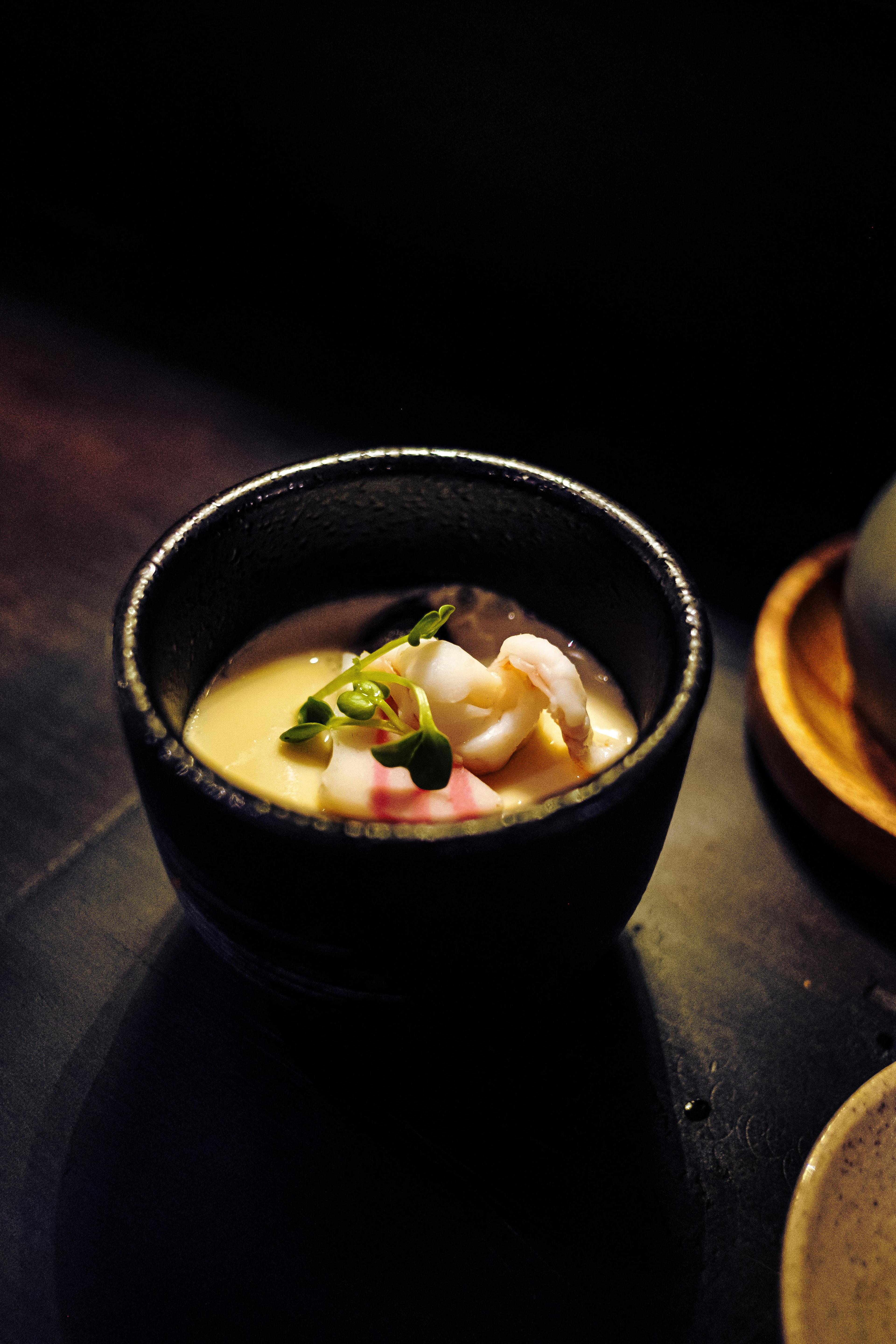
Chawanmushi (Japanese Savory Egg Custard)
Chawanmushi — a silky Japanese steamed egg custard with shrimp, chicken, and mushroom hidden inside.

Baked Sweet Potato Fries
Baked sweet potato fries with a cornstarch coating for crispy edges and sriracha mayo for dipping.

Braised Collard Greens
Braised collard greens slow-simmered with bacon, vinegar, and chicken stock until silky tender.