Japanese Recipes
Authentic Japanese recipes — ramen, sushi, teriyaki, and the art of umami-driven simplicity.
37 recipes
Flavor Profile
Japanese cooking is built on a paradox: extreme simplicity and extreme precision existing in the same dish. A bowl of miso soup has four ingredients. Getting those four ingredients right — the dashi, the miso, the tofu, the wakame — requires understanding fermentation, stock-making, and temperature control at a level that most Western cooking never demands.
The concept of umami was identified in Japan in 1908 by chemist Kikunae Ikeda, who isolated glutamic acid from kombu seaweed. But Japanese cooks had been building umami for centuries through dashi (kombu + bonito), soy sauce (fermented soybeans), and miso (fermented soybean paste). This invisible fifth taste is the thread that connects every Japanese dish, from a simple bowl of rice with pickles to an elaborate kaiseki meal.
Seasonality drives everything. Japanese cuisine changes with the calendar — cherry blossom season brings sakura mochi, summer means cold soba and grilled unagi, autumn is matsutake mushrooms and sanma (Pacific saury), winter calls for hot pot and oden. Cooking what's in season isn't a trend in Japan; it's a 1,000-year-old practice rooted in Shinto respect for nature.
You already know this
- If you like grilled chicken with a glaze → teriyaki is exactly that — soy sauce, mirin, and sugar reduced to a glossy glaze
- If you enjoy soup → miso soup is the simplest soup you can make — hot water, miso paste, tofu, and scallions in 5 minutes
One ingredient, many recipes
soy sauce
You probably already have soy sauce — it's the gateway to Japanese cooking
What's in season — spring
Fresh cold soba noodles, sakura mochi, and cherry blossom-inspired dishes
Japanese
37 recipes
Crispy Tofu Stir-Fry
Crispy Tofu Stir-Fry — a Japanese main dish Ready in 35 minutes. Perfect for weeknight cooking.
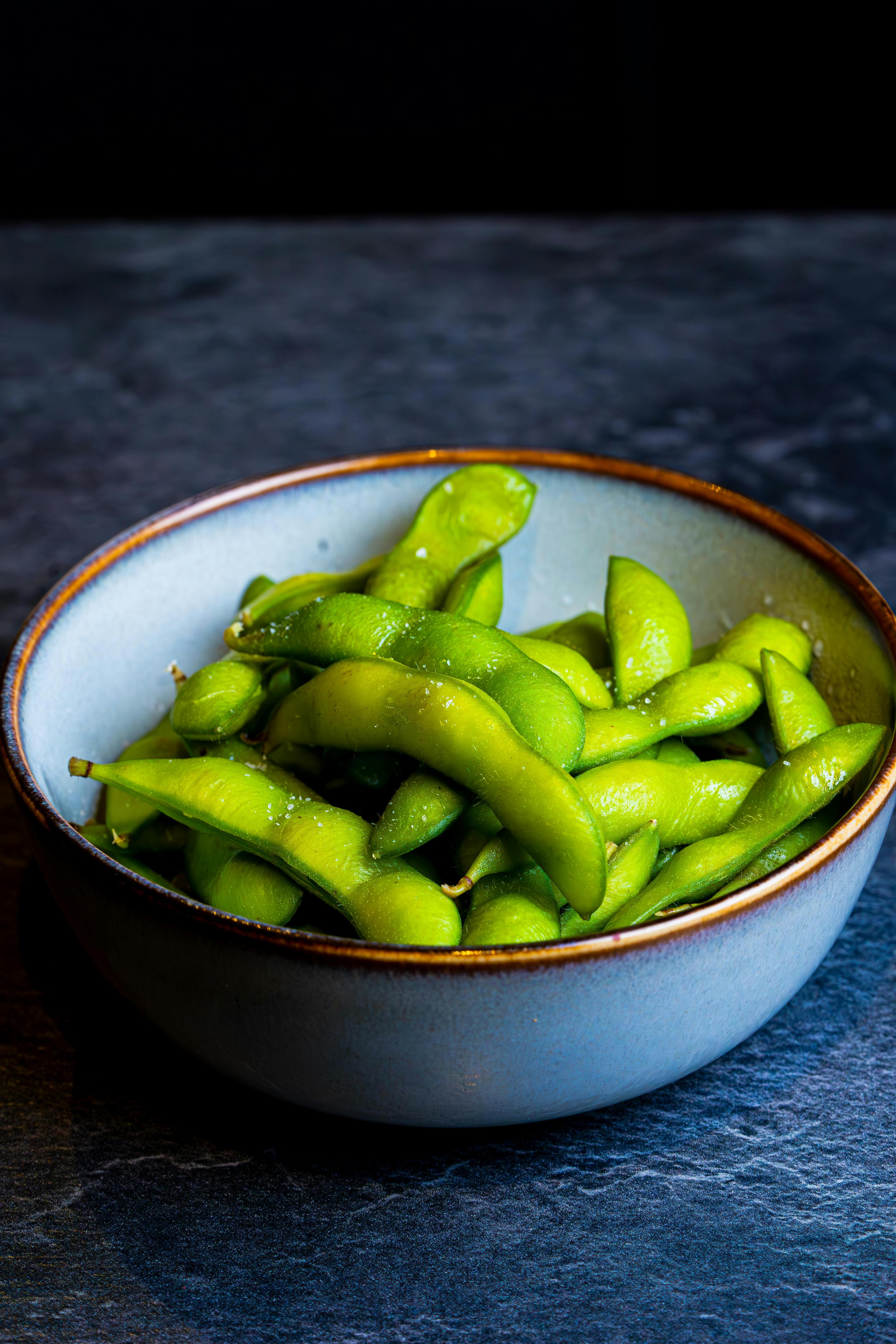
Edamame with Sea Salt
Steamed edamame in the pod with flaky sea salt — the simplest Japanese appetizer.

Ichiju-Sansai (Rice, Miso Soup, and Three Sides)
Ichiju-sansai — the Japanese meal template of rice, miso soup, and three small sides. The foundation of daily eating.

Japanese Cucumber Salad (Sunomono)
Sunomono — thinly sliced cucumber in a sweet rice vinegar and sesame dressing, refreshing and light.
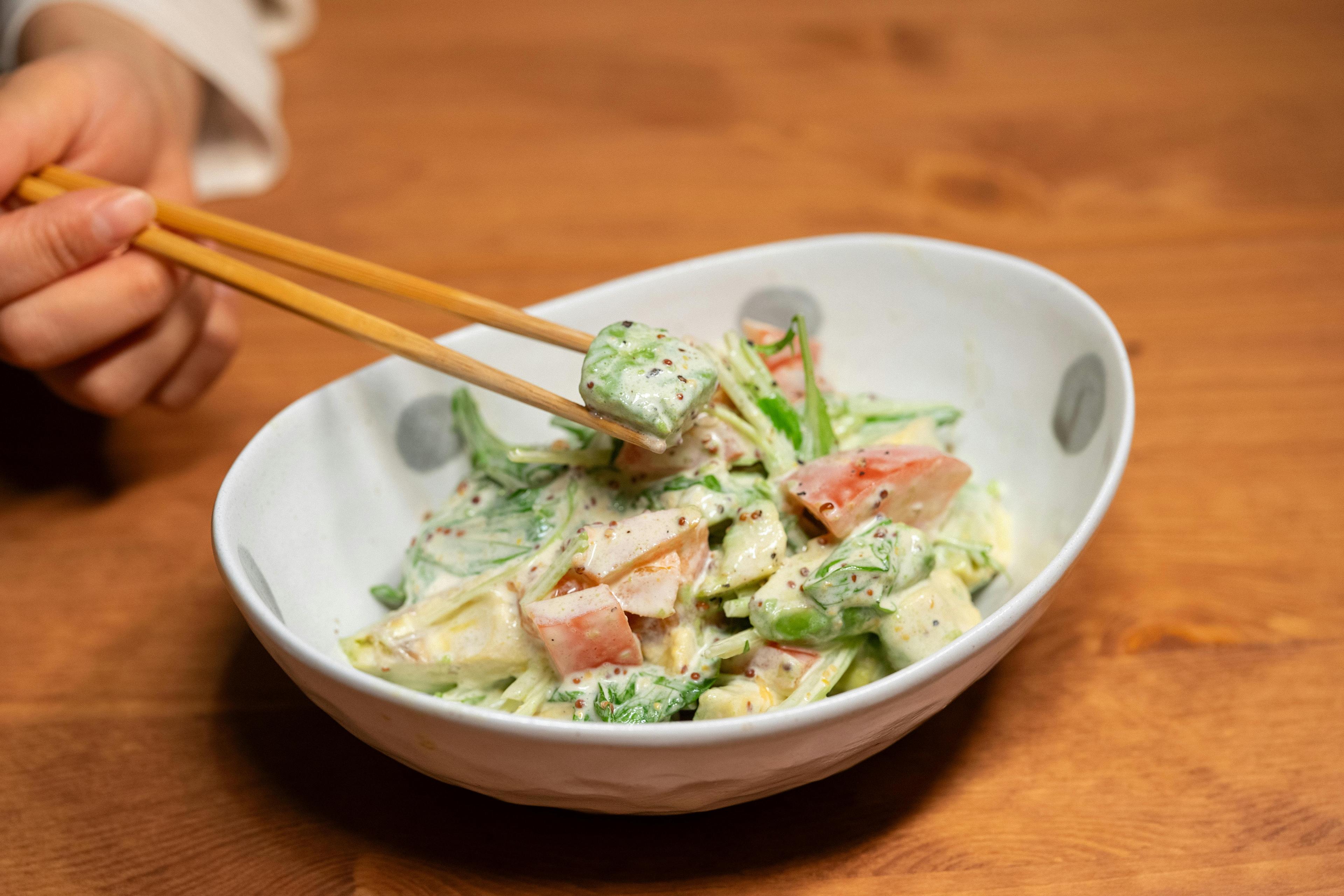
Japanese Potato Salad (Poteto Sarada)
Creamy Japanese potato salad with cucumber, ham, and Kewpie mayo. A konbini classic ready in 25 minutes.
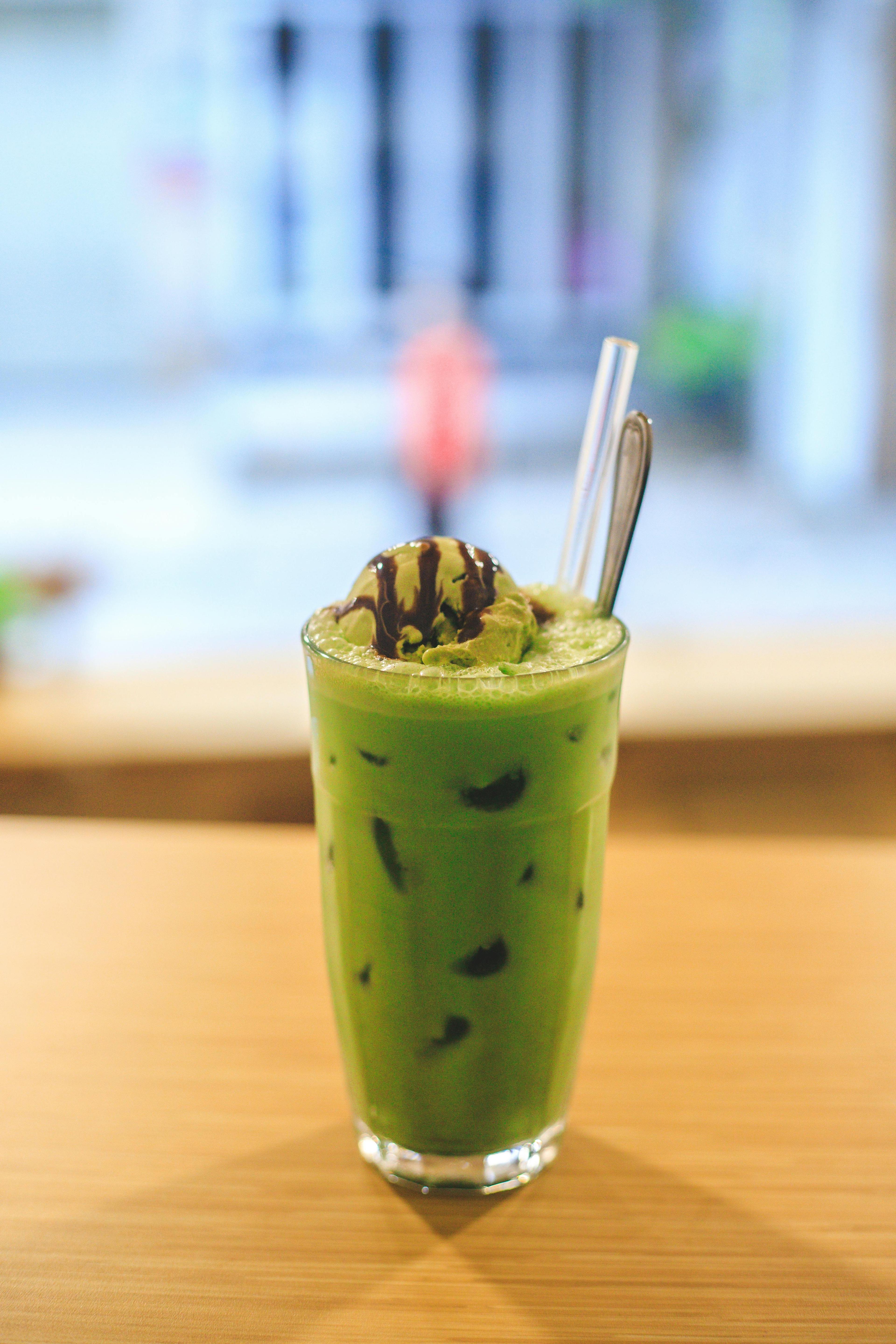
Matcha Banana Smoothie
Matcha banana smoothie — earthy green tea with creamy banana for sustained, calm energy.