mains · pork
Sweet and Sour Pork
Crispy pork pieces in a vibrant sweet-and-sour sauce with pineapple and peppers.

Nutrition (per serving)
420
Calories
24g
Protein
38g
Carbs
20g
Fat
2g
Fiber
Ingredients
For the pork:
For the sauce:
For the stir-fry:
Method
-
Prepare the pork. Toss the cubes in beaten egg, then coat in cornstarch, shaking off excess. The coating should be thin and even — not clumpy. Let the coated pork sit for 5 minutes so the cornstarch adheres.
-
Mix the sauce by combining rice vinegar, ketchup, sugar, and soy sauce in a small bowl. Have the cornstarch slurry ready separately. Set both within arm's reach of the stove.
-
First fry at 325°F. Heat 2 inches of oil in a wok. Fry the pork in batches for 3 minutes until cooked through but pale — no significant browning. Remove to a wire rack. This par-cooks the pork and sets the cornstarch coating.
-
Second fry at 375°F. Increase the oil temperature and fry the pork again for 1.5–2 minutes until golden brown and crispy. The higher temperature crisps the exterior rapidly. Remove to the wire rack.
-
Stir-fry the vegetables. Pour off all but 1 tablespoon of oil. Over high heat, stir-fry the peppers and onion for 2 minutes until crisp-tender. Add the pineapple and toss for 30 seconds.
-
Add the sauce and bring to a bubble. Stir in the cornstarch slurry and cook for 30 seconds until the sauce thickens and turns glossy. Add the crispy pork and toss quickly — 10 seconds maximum. The pork should be coated but not sitting in sauce. Serve immediately over steamed rice.
Equipment
- Wok or deep skillet (for frying) Recommended: Joyce Chen 14-Inch Carbon Steel Wok
- Instant-read thermometer (for oil) Recommended: ThermoWorks ThermoPop 2
- Wire rack set over sheet pan Recommended: Checkered Chef Stainless Steel Wire Rack
- Spider strainer or slotted spoon
Chef Notes
- The most important thing: Double-fry the pork. First fry at 325°F to cook through (3 minutes, pale and soft). Second fry at 375°F to crisp (2 minutes, golden and crunchy). This two-stage method creates a shatteringly crispy coating that stays crispy even after being sauced.
- The cornstarch coating, not batter, is what makes this authentic. Toss the pork in egg, then cornstarch — the thin coating fries into a delicate, crispy shell. Thick batter is the Westernized version.
- Mix the sauce before you start cooking. Once the wok is hot, everything moves in 2 minutes. Having the sauce pre-mixed prevents scrambling.
- The ketchup is not inauthentic — it's been used in Chinese sweet and sour sauce since the early 20th century. It provides tomato flavor, sweetness, and the characteristic red color.
- Don't sauce the pork until the moment you serve. The crispy coating absorbs liquid quickly — toss and plate immediately.
Common Substitutions
| Ingredient | Substitution | Notes |
|---|---|---|
| Pork loin | Chicken breast or firm tofu | Chicken: same technique. Tofu: press dry, coat in cornstarch, fry once at 375°F |
| Ketchup | 2 tbsp tomato paste + 1 tbsp sugar | More concentrated — adjust sweetness |
| Rice vinegar | Apple cider vinegar | Slightly different acidity — both work |
| Pineapple | Mango chunks | Different fruit, same sweet-tart contrast |
| Deep frying | Air fryer at 400°F | Spray with oil. Less crispy but much less oil |
What You're Practicing
Sweet and sour pork teaches you the double-fry technique — the same method used for the crispiest French fries, Korean fried chicken, and Japanese karaage. The first fry cooks the interior; the second fry crisps the exterior. The brief rest between fries allows the surface moisture to evaporate, which is what makes the second fry so effective. Visit Techniques for more on frying science.
You're also learning the Chinese approach to sauce balance — sweet (sugar), sour (vinegar), salty (soy), and umami (ketchup) in a single sauce, thickened with a cornstarch slurry for glossy coating power. This same sauce-building technique applies to kung pao, General Tso's, and orange chicken. Explore more at Techniques.
Video Resources
Some equipment and ingredient links are affiliate links. We earn a small commission at no extra cost to you. Learn more
Comments (0)
Sign in to commentNo comments yet. Be the first to share your thoughts.
Frequently Asked Questions
- Can I make Sweet and Sour Pork ahead of time?
- Yes — prep the components up to a day ahead and store covered in the refrigerator. Reheat gently or bring to room temperature before serving.
- How do I store leftover Sweet and Sour Pork?
- Store in an airtight container in the refrigerator for 3-4 days. Reheat gently over medium-low heat, adding a splash of broth or water to prevent drying out.
- Can I freeze Sweet and Sour Pork?
- Yes — most cooked mains freeze well for up to 3 months. Cool completely, store in freezer-safe containers, and thaw overnight in the refrigerator before reheating.
- How many servings does this recipe make?
- This recipe serves 4. You can scale the ingredients up or down proportionally — use the Meal Plan servings slider to adjust the grocery list automatically.
- Is Sweet and Sour Pork a quick recipe?
- Yes — this recipe is ready in 30 minutes including prep time, making it perfect for busy weeknights.
- Is Sweet and Sour Pork dairy free and high protein?
- Yes — this recipe is dairy free and high protein. Check the Common Substitutions section for additional dietary adaptations.
- Is this an authentic Chinese recipe?
- This recipe follows traditional Chinese techniques and ingredients. The Chef Notes section explains any adaptations for home kitchen accessibility and suggests authentic alternatives where substitutions are made.
- What substitutions can I make for Sweet and Sour Pork?
- See the Common Substitutions section above for ingredient and equipment swaps with specific trade-off notes for each alternative.
You Might Also Like
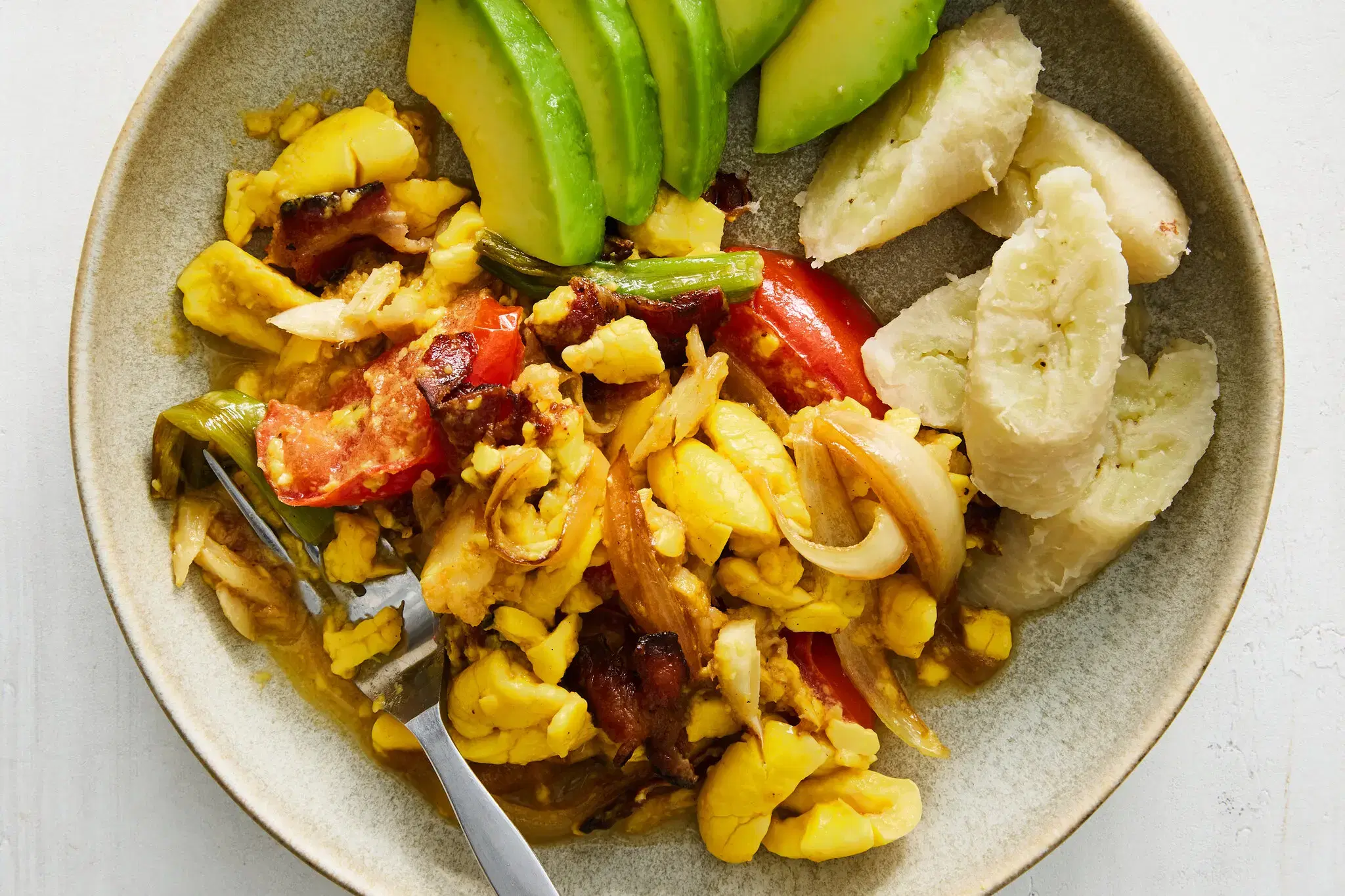
Ackee and Saltfish
Jamaica''s national dish — creamy ackee fruit sautéed with salted cod.

Asian Chicken Lettuce Wraps
Asian chicken lettuce wraps with savory ground chicken, water chestnuts, and hoisin in butter lettuce.

Bacalhau à Brás (Portuguese Salt Cod)
Shredded salt cod with crispy potatoes, scrambled eggs, and olives — Portugal's beloved comfort dish.
Baja-Style Fish Tacos (Tilapia)
Baja-Style Fish Tacos (Tilapia) — a Mexican main dish Ready in 30 minutes. Perfect for weeknight cooking. Quick and easy.