mains · pork
Shoyu Ramen (Soy Sauce Ramen)
Clear chicken-based broth seasoned with soy sauce tare, topped with chashu pork and soft-boiled egg.

Nutrition (per serving)
580
Calories
32g
Protein
52g
Carbs
26g
Fat
3g
Fiber
Ingredients
For the broth:
For the tare (seasoning base):
For the toppings:
For quick chashu:
Method
-
Make the broth by combining chicken backs, onion, garlic, ginger, leek, and water in a stockpot. Bring to a boil, then immediately reduce to a bare simmer. Skim any foam that rises in the first 15 minutes. Simmer gently for 3-4 hours — the surface should barely ripple. Strain through a fine-mesh strainer. The broth should be clear and golden.
-
Make the chashu by searing the rolled pork belly in a hot saucepan on all sides until browned. Add soy sauce, mirin, sugar, and water. Bring to a boil, then reduce to a gentle simmer. Cover and cook for 2-2.5 hours, turning every 30 minutes, until the pork is tender. Let cool in the braising liquid. Slice into 1/4-inch rounds when ready to serve.
-
Make the marinated eggs by soft-boiling eggs for exactly 6 minutes, then shocking in ice water. Peel and marinate in a mixture of 1/4 cup soy sauce + 2 tbsp mirin + 2 tbsp water for at least 4 hours (overnight is better). The eggs should be amber-colored with a jammy yolk.
-
Prepare the tare by combining soy sauce, mirin, and dashi powder. This concentrated seasoning base goes in the bowl before the broth. Each bowl gets about 2 tablespoons of tare.
-
Cook the noodles in rapidly boiling water according to package directions (usually 1-2 minutes for fresh). Drain well — wet noodles dilute the broth.
-
Assemble each bowl by placing 2 tbsp tare in the bottom. Ladle 1.5-2 cups of hot broth over the tare and stir to combine. Add the drained noodles. Arrange chashu slices, a halved marinated egg, sliced scallions, nori, and sesame seeds on top. Serve immediately — ramen waits for no one. The noodles absorb broth and soften every minute they sit.
Equipment
- Large stockpot Also good: Winware Stainless Steel 16-Qt Stockpot
- Saucepan (for chashu) Recommended: Cuisinart Chef's Classic 3-Quart Saucepan
- Fine-mesh strainer Recommended: Winco 8-Inch Stainless Steel Fine Mesh Strainer
- Dutch oven Recommended: Lodge 6-Quart Enameled Cast Iron Dutch Oven · Also good: Lodge 6-Quart Enameled Cast Iron Dutch Oven
- Stockpot Recommended: Tramontina 12-Quart Stainless Steel Stock Pot
- Saucepan Recommended: Cuisinart Chef's Classic 3-Quart Saucepan
- Rolling pin Recommended: J.K. Adams Maple Rolling Pin
Chef Notes
- The most important thing: Ramen is three separate components — broth, tare, and noodles — combined at the last moment. The tare (concentrated seasoning) goes in the bowl first, then hot broth is ladled over it. This keeps the broth clear and lets you adjust seasoning per bowl.
- Simmer the broth gently — never boil. Boiling emulsifies the fat and makes the broth cloudy. A clear shoyu broth should be golden and transparent. (Tonkotsu is the opposite — it's boiled hard to create a milky broth.)
- The soft-boiled eggs (ajitsuke tamago) need to marinate in soy-mirin for at least 4 hours. The marinade penetrates the white and seasons the egg throughout. 6-minute eggs give you a jammy, slightly runny yolk.
- Fresh ramen noodles are essential. Dried ramen noodles (not instant) are acceptable. Instant noodle packets are not ramen.
- Chashu can be made 2-3 days ahead. It slices better when cold and reheats in the hot broth.
Common Substitutions
| Ingredient | Substitution | Notes |
|---|---|---|
| Chicken backs | Whole chicken legs or rotisserie carcass | Less rich but still makes a good broth |
| Fresh ramen noodles | Dried ramen noodles (not instant) | Cook 1-2 min longer — texture is slightly different |
| Chashu pork belly | Sliced roast pork or braised chicken thigh | Different but still delicious as a topping |
| Dashi powder | 1 piece kombu simmered in broth 20 min | More subtle umami — remove kombu before it boils |
| Mirin | 1 tbsp rice vinegar + 1 tsp sugar | Approximates mirin's sweet-tangy flavor |
What You're Practicing
Ramen teaches you the Japanese approach to soup construction: building separate components (broth, tare, oil, noodles, toppings) and combining them at the last moment. This modular approach gives you control over every element and lets you adjust each bowl individually. The same philosophy drives Japanese cuisine broadly — precision, component cooking, and assembly. Visit Stocks for more on building clear broths.
The clear broth technique (gentle simmer, never boil, skim obsessively) is the opposite of tonkotsu's aggressive boil. Understanding how heat level affects broth clarity — gentle = clear, aggressive = milky — gives you control over any stock or soup. See Techniques for more.
Video Resources
Some equipment and ingredient links are affiliate links. We earn a small commission at no extra cost to you. Learn more
Comments (0)
Sign in to commentNo comments yet. Be the first to share your thoughts.
Frequently Asked Questions
- Can I make Shoyu Ramen (Soy Sauce Ramen) ahead of time?
- Yes. overnight is better).
- How do I store leftover Shoyu Ramen (Soy Sauce Ramen)?
- Store in an airtight container in the refrigerator for 3-4 days. Reheat gently over medium-low heat, adding a splash of broth or water to prevent drying out.
- Can I freeze Shoyu Ramen (Soy Sauce Ramen)?
- Yes — most cooked mains freeze well for up to 3 months. Cool completely, store in freezer-safe containers, and thaw overnight in the refrigerator before reheating.
- How many servings does this recipe make?
- This recipe serves 4. You can scale the ingredients up or down proportionally — use the Meal Plan servings slider to adjust the grocery list automatically.
- Why does Shoyu Ramen (Soy Sauce Ramen) take so long?
- This recipe takes 2 hours because low-and-slow cooking breaks down tough connective tissue into tender, flavorful gelatin. The hands-on time is much shorter — most of the cook time is unattended.
- Is Shoyu Ramen (Soy Sauce Ramen) dairy free and high protein?
- Yes — this recipe is dairy free and high protein. Check the Common Substitutions section for additional dietary adaptations.
- Is this an authentic Japanese recipe?
- This recipe follows traditional Japanese techniques and ingredients. The Chef Notes section explains any adaptations for home kitchen accessibility and suggests authentic alternatives where substitutions are made.
- What substitutions can I make for Shoyu Ramen (Soy Sauce Ramen)?
- See the Common Substitutions section above for ingredient and equipment swaps with specific trade-off notes for each alternative.
You Might Also Like

Bacalhau à Brás (Portuguese Salt Cod)
Shredded salt cod with crispy potatoes, scrambled eggs, and olives — Portugal's beloved comfort dish.
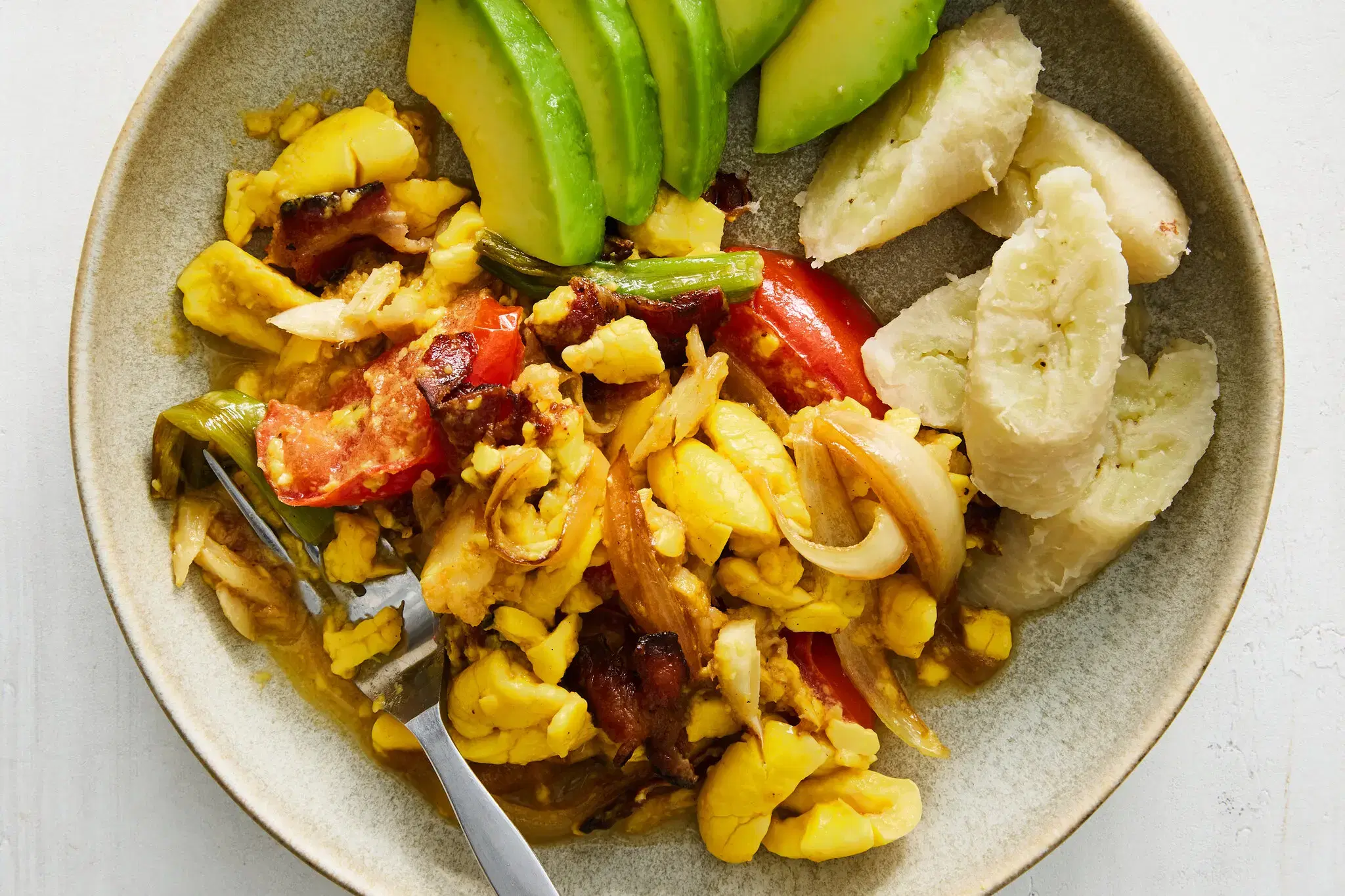
Ackee and Saltfish
Jamaica''s national dish — creamy ackee fruit sautéed with salted cod.

American BBQ Ribs (Oven-to-Grill)
Fall-off-the-bone pork ribs with a spice rub and sticky BBQ glaze — no smoker required.

Australian Meat Pie
Flaky pastry filled with savory beef and gravy — Australia's iconic handheld comfort food.