mains · pork
Tonkotsu Ramen (Pork Bone Broth Ramen)
Creamy, milky pork bone broth with chashu, soft-boiled egg, and thin noodles — Fukuoka's legendary ramen.

Nutrition (per serving)
620
Calories
34g
Protein
52g
Carbs
30g
Fat
2g
Fiber
Ingredients
For the broth (makes 8 cups):
For the tare:
For toppings:
Method
-
Parboil the bones by placing them in a stockpot, covering with cold water, and bringing to a rolling boil. Boil for 10 minutes — the water will turn gray and scummy. Drain, rinse each bone under cold water, and scrub off any dark residue. Clean the pot. This step removes blood proteins and impurities that would make the final broth taste muddy.
-
Build the broth by returning the cleaned bones and fatback to the pot with the onion, garlic, ginger, and 10 cups fresh water. Bring to a rolling boil over high heat. Once boiling, reduce to a vigorous simmer — the surface should be actively bubbling, not just rippling. This aggressive boil is what creates tonkotsu's milky-white color by emulsifying the fat and collagen.
-
Boil for 8-12 hours, adding water as needed to keep the bones submerged. Stir occasionally and scrape the bottom to prevent sticking. The broth will gradually turn from clear to cloudy to opaque white. By hour 8, it should be thick, creamy, and coat the back of a spoon. The longer you boil, the richer and more viscous it becomes.
-
Strain the broth through a fine-mesh strainer, pressing on the solids to extract every drop of liquid. Discard the bones. The broth should be milky white and rich — if you refrigerate it, it should set like jello from the dissolved collagen.
-
Prepare the tare and toppings — chashu, marinated eggs, and scallions (same method as shoyu ramen). The tare for tonkotsu is simpler: soy sauce, mirin, and salt.
-
Assemble each bowl by placing 2 tbsp tare in the bottom. Ladle 1.5-2 cups of the hot, creamy broth over the tare. Cook thin ramen noodles for 30-60 seconds (they're very thin), drain, and add to the bowl. Top with chashu, a halved marinated egg, scallions, nori, sesame seeds, and a drizzle of mayu (black garlic oil) if using.
-
Serve immediately — tonkotsu ramen is meant to be eaten fast. The thin noodles absorb broth and soften quickly. In Fukuoka, you can order "kaedama" (extra noodles) to add to your remaining broth.
Equipment
- Large stockpot Also good: Winware Stainless Steel 16-Qt Stockpot
- Fine-mesh strainer Recommended: Winco 8-Inch Stainless Steel Fine Mesh Strainer
- Dutch oven Recommended: Lodge 6-Quart Enameled Cast Iron Dutch Oven · Also good: Lodge 6-Quart Enameled Cast Iron Dutch Oven
- Stockpot Recommended: Tramontina 12-Quart Stainless Steel Stock Pot
- Tongs Also good: Wok Spatula
Chef Notes
- The most important thing: Boil the broth HARD for the entire cook time. Tonkotsu is the opposite of clear broth — you want a rolling, aggressive boil that emulsifies the pork fat and collagen into the water, creating the signature milky-white, creamy broth. A gentle simmer makes clear broth, not tonkotsu.
- Parboil the bones first: boil for 10 minutes, drain, scrub clean, then start fresh. This removes blood and impurities that would make the broth taste muddy.
- The broth takes 8-12 hours. There are no shortcuts. The long boil extracts collagen from the bones and emulsifies it with the fat, creating the thick, creamy texture. A 4-hour broth will be thin and watery.
- The broth should coat the back of a spoon like cream. If it's thin, keep boiling. If it's too thick, thin with water.
- Tonkotsu originated in Fukuoka (Hakata) in the 1940s. The thin, straight noodles (Hakata-style) are traditional — they cook in 30 seconds and are meant to be eaten fast before they soften.
Common Substitutions
| Ingredient | Substitution | Notes |
|---|---|---|
| Pork neck bones | Pork femur bones or knuckles | Any collagen-rich pork bones work — trotters add the most gelatin |
| 8-12 hour broth | Pressure cooker, 3-4 hours on high | Faster but slightly less complex — still produces milky broth |
| Thin straight noodles | Any fresh ramen noodles | Hakata-style thin noodles are traditional but wavy noodles work |
| Mayu (black garlic oil) | Regular garlic oil or chili oil | Different flavor — mayu adds a smoky, sweet depth |
| Pork fatback | Pork belly scraps | Both add the fat needed for emulsification |
What You're Practicing
Tonkotsu broth teaches you emulsion through aggressive boiling — the opposite of every other stock-making technique. While French stock, pho, and dashi require gentle simmering for clarity, tonkotsu demands a hard boil to force fat and collagen into a stable emulsion. Understanding that the same ingredients (bones + water) produce completely different results based on heat level is one of the most powerful lessons in cooking. Visit Stocks for the complete guide to stock-making.
The 8-12 hour commitment teaches patience and the relationship between time and flavor extraction. There are no shortcuts to great tonkotsu — the collagen needs hours to dissolve and emulsify. This same patience applies to brisket, confit, and any preparation where time is the primary ingredient. See Techniques for more.
Video Resources
Some equipment and ingredient links are affiliate links. We earn a small commission at no extra cost to you. Learn more
Comments (0)
Sign in to commentNo comments yet. Be the first to share your thoughts.
Frequently Asked Questions
- Can I make Tonkotsu Ramen (Pork Bone Broth Ramen) ahead of time?
- Yes — prep the components up to a day ahead and store covered in the refrigerator. Reheat gently or bring to room temperature before serving.
- How do I store leftover Tonkotsu Ramen (Pork Bone Broth Ramen)?
- Store in an airtight container in the refrigerator for 3-4 days. Reheat gently over medium-low heat, adding a splash of broth or water to prevent drying out.
- Can I freeze Tonkotsu Ramen (Pork Bone Broth Ramen)?
- Yes — most cooked mains freeze well for up to 3 months. Cool completely, store in freezer-safe containers, and thaw overnight in the refrigerator before reheating.
- How many servings does this recipe make?
- This recipe serves 6. You can scale the ingredients up or down proportionally — use the Meal Plan servings slider to adjust the grocery list automatically.
- Why does Tonkotsu Ramen (Pork Bone Broth Ramen) take so long?
- This recipe takes 4 hours because low-and-slow cooking breaks down tough connective tissue into tender, flavorful gelatin. The hands-on time is much shorter — most of the cook time is unattended.
- Is Tonkotsu Ramen (Pork Bone Broth Ramen) dairy free and high protein?
- Yes — this recipe is dairy free and high protein. Check the Common Substitutions section for additional dietary adaptations.
- Is this an authentic Japanese recipe?
- This recipe follows traditional Japanese techniques and ingredients. The Chef Notes section explains any adaptations for home kitchen accessibility and suggests authentic alternatives where substitutions are made.
- What substitutions can I make for Tonkotsu Ramen (Pork Bone Broth Ramen)?
- See the Common Substitutions section above for ingredient and equipment swaps with specific trade-off notes for each alternative.
You Might Also Like
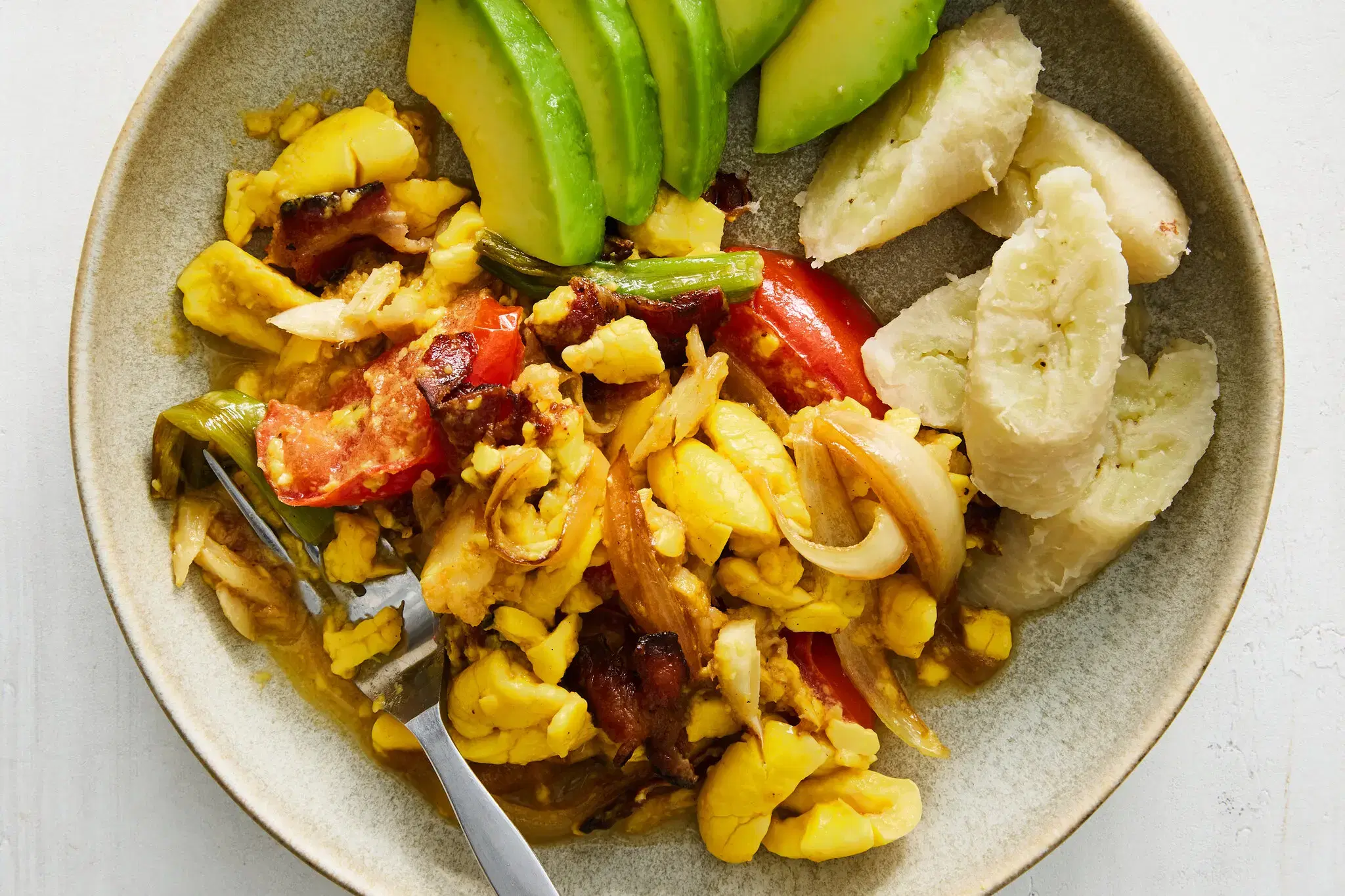
Ackee and Saltfish
Jamaica''s national dish — creamy ackee fruit sautéed with salted cod.

Bacalhau à Brás (Portuguese Salt Cod)
Shredded salt cod with crispy potatoes, scrambled eggs, and olives — Portugal's beloved comfort dish.

American BBQ Ribs (Oven-to-Grill)
Fall-off-the-bone pork ribs with a spice rub and sticky BBQ glaze — no smoker required.

Australian Meat Pie
Flaky pastry filled with savory beef and gravy — Australia's iconic handheld comfort food.