mains · seafood
Laksa (Malaysian Coconut Curry Noodle Soup)
Rich coconut curry broth with rice noodles, shrimp, and tofu puffs — Malaysia's iconic hawker soup.

Nutrition (per serving)
480
Calories
26g
Protein
42g
Carbs
24g
Fat
3g
Fiber
Ingredients
For the laksa paste (rempah):
For the broth:
For the bowl:
Method
-
Make the laksa paste by blending the soaked chiles, shallots, garlic, galangal, lemongrass, turmeric, shrimp paste, and candlenuts into a smooth paste. Add a splash of water if needed. The paste should be completely smooth — any chunks create an uneven texture in the broth.
-
Cook the paste by heating oil in a large pot over medium heat. Add the laksa paste and cook for 8-10 minutes, stirring frequently, until the oil separates from the paste and it darkens to a deep red-brown. The kitchen will smell intensely aromatic. This step transforms the raw paste into a complex, fragrant base.
-
Build the broth by adding coconut milk and chicken broth. Stir to combine with the paste. Add fish sauce and sugar. Bring to a gentle simmer and cook for 15 minutes. Taste and adjust — the broth should be rich, savory, slightly sweet, and aromatic. Add more fish sauce for salt, more sugar for sweetness.
-
Cook the shrimp by adding them to the simmering broth for 3-4 minutes until pink and curled. Remove and set aside.
-
Prepare the noodles by cooking the soaked rice vermicelli in boiling water for 1-2 minutes until tender. Drain and divide among bowls.
-
Assemble the bowls by ladling the hot laksa broth over the noodles. Top with shrimp, tofu puffs, bean sprouts, halved hard-boiled eggs, and laksa leaves or cilantro. Serve with sambal oelek and lime wedges on the side.
-
Serve immediately — laksa is hawker food, meant to be eaten hot and fast. In Malaysia, laksa stalls have lines out the door and each bowl is assembled to order. The combination of creamy coconut broth, chewy noodles, and fresh toppings is one of Southeast Asia's greatest dishes.
Equipment
- Blender or food processor Recommended: Vitamix VX1
- Large pot or wok Recommended: Joyce Chen 14-Inch Carbon Steel Wok
Chef Notes
- The most important thing: Cook the laksa paste (rempah) in oil for 8-10 minutes until the oil separates and the paste darkens. This is the same technique as Thai curry paste — blooming the aromatics in fat releases their essential oils and creates the flavor foundation. Raw paste tastes harsh; cooked paste tastes complex.
- Shrimp paste (belacan) smells terrible raw but adds irreplaceable umami depth when cooked. Toast it briefly in a dry pan before adding to the paste if using block belacan. Jarred shrimp paste can go straight in.
- The broth should be rich and creamy from the coconut milk but not heavy. The fish sauce and sugar balance the richness — taste and adjust until it's savory, slightly sweet, and aromatic.
- Laksa leaves (daun kesum / Vietnamese coriander) are the traditional herb. They have a unique, slightly citrusy flavor. Cilantro is the most common substitute.
- There are many types of laksa — this is curry laksa (Penang/KL style). Assam laksa (Penang) is sour and fish-based, without coconut milk. They're completely different dishes.
Common Substitutions
| Ingredient | Substitution | Notes |
|---|---|---|
| Galangal | Fresh ginger | Similar but less floral — galangal is worth seeking out |
| Shrimp paste (belacan) | 1 tbsp fish sauce (extra) | Loses the fermented depth but adds umami |
| Candlenuts | Macadamia nuts | Nearly identical — both add body to the paste |
| Laksa leaves | Cilantro + Thai basil | Different but provides fresh herb contrast |
| Tofu puffs | Fried firm tofu cubes | Press, cube, and deep-fry until golden |
| Rice vermicelli | Egg noodles (Hokkien mee style) | Creates a different but equally traditional laksa variation |
What You're Practicing
Laksa teaches you the Southeast Asian technique of building a wet spice paste (rempah) and cooking it until the oil separates — the same foundational technique behind Thai curries, Indonesian rendang, and Malay sambal. This paste-based approach to flavor building is fundamentally different from Indian dry-spice tempering or European mirepoix. Understanding both approaches makes you fluent in two of the world's great cooking traditions. Visit Spice Blends for more on aromatic paste construction.
The coconut milk broth teaches you about building rich, creamy soups without dairy. The same technique drives Thai tom kha, Filipino ginataang, and Caribbean rundown. Coconut milk behaves differently from dairy cream — it can split if boiled too hard, and it needs acid (lime) and salt (fish sauce) to taste balanced. See Techniques for more.
Video Resources
Some equipment and ingredient links are affiliate links. We earn a small commission at no extra cost to you. Learn more
Comments (0)
Sign in to commentNo comments yet. Be the first to share your thoughts.
Frequently Asked Questions
- Can I make Laksa (Malaysian Coconut Curry Noodle Soup) ahead of time?
- Yes — prep the components up to a day ahead and store covered in the refrigerator. Reheat gently or bring to room temperature before serving.
- How do I store leftover Laksa (Malaysian Coconut Curry Noodle Soup)?
- Store in an airtight container in the refrigerator for 3-4 days. Reheat gently over medium-low heat, adding a splash of broth or water to prevent drying out.
- Can I freeze Laksa (Malaysian Coconut Curry Noodle Soup)?
- Yes — most cooked mains freeze well for up to 3 months. Cool completely, store in freezer-safe containers, and thaw overnight in the refrigerator before reheating.
- How many servings does this recipe make?
- This recipe serves 4. You can scale the ingredients up or down proportionally — use the Meal Plan servings slider to adjust the grocery list automatically.
- Is Laksa (Malaysian Coconut Curry Noodle Soup) gluten free and high protein?
- Yes — this recipe is gluten free and high protein. Check the Common Substitutions section for additional dietary adaptations.
- Is this an authentic Malaysian recipe?
- This recipe follows traditional Malaysian techniques and ingredients. The Chef Notes section explains any adaptations for home kitchen accessibility and suggests authentic alternatives where substitutions are made.
- What substitutions can I make for Laksa (Malaysian Coconut Curry Noodle Soup)?
- See the Common Substitutions section above for ingredient and equipment swaps with specific trade-off notes for each alternative.
You Might Also Like

Bacalhau à Brás (Portuguese Salt Cod)
Shredded salt cod with crispy potatoes, scrambled eggs, and olives — Portugal's beloved comfort dish.
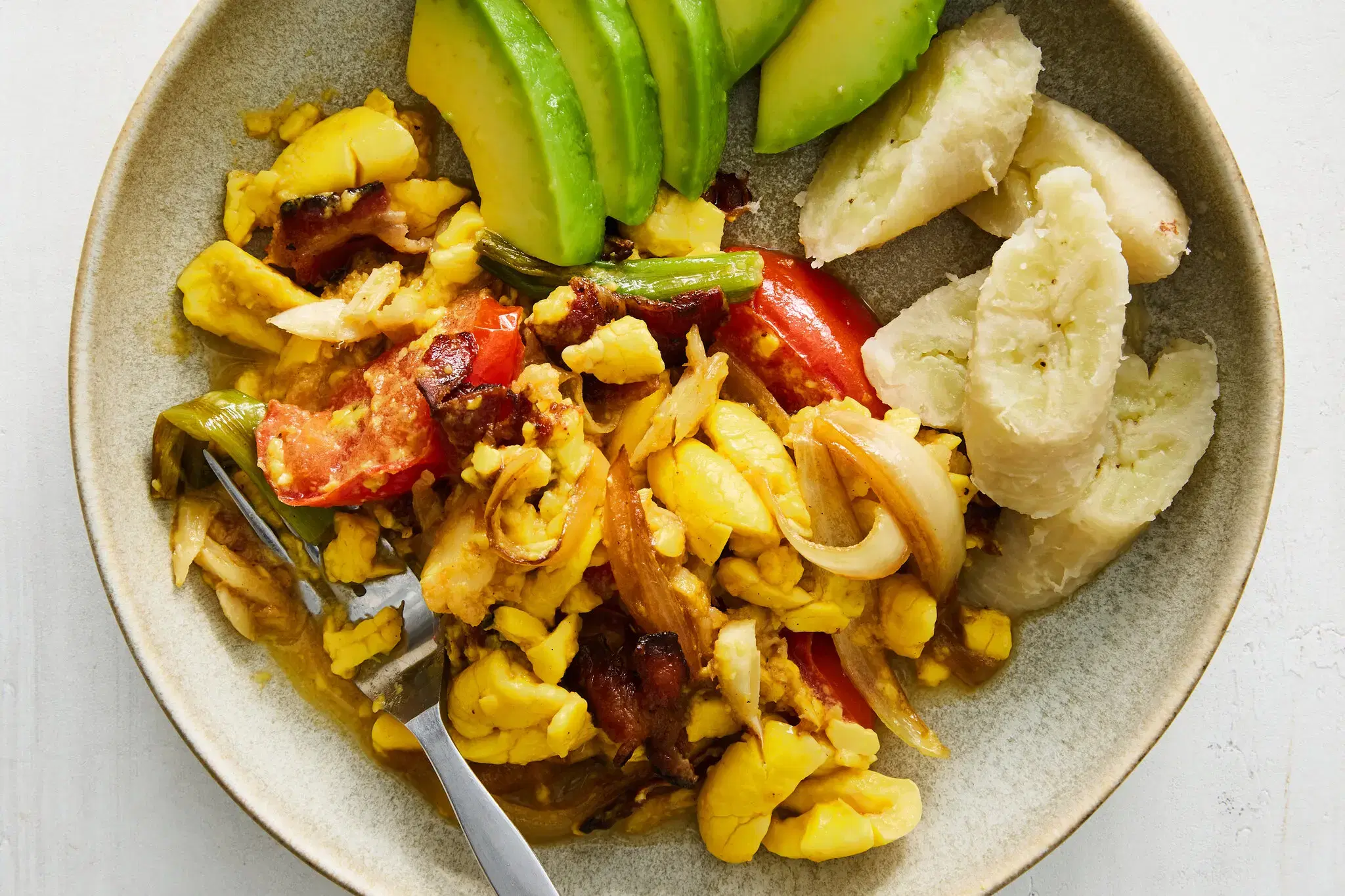
Ackee and Saltfish
Jamaica''s national dish — creamy ackee fruit sautéed with salted cod.

Baked Cod with Lemon and Dill
Baked cod with lemon, garlic, and fresh dill — light, flaky, and ready in 20 minutes.

American BBQ Ribs (Oven-to-Grill)
Fall-off-the-bone pork ribs with a spice rub and sticky BBQ glaze — no smoker required.