mains · Seafood
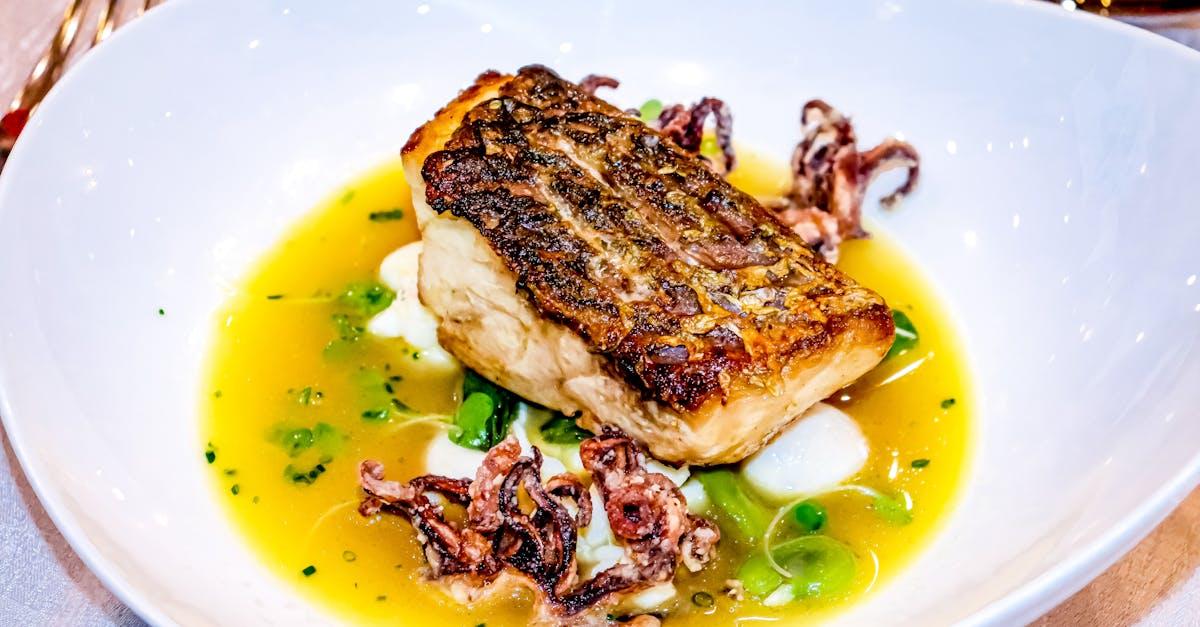
Seared Scallops with Pea Purée and Pancetta
Seared Scallops with Pea Purée and Pancetta — a French main dish Ready in 30 minutes. A rewarding weekend project. Quick and easy.
Nutrition (per serving)
340
Calories
28g
Protein
14g
Carbs
18g
Fat
2g
Fiber
Ingredients
For the pea purée:
Method
-
Make the pea purée. Cook peas in salted boiling water for 2 minutes. Drain. Blend with butter, cream, mint, lemon juice, salt, and white pepper until smooth. Keep warm.
Salt early and throughout the cooking process. Salt added at the beginning penetrates the food; salt added at the end sits on the surface. Both are important, but the foundation matters most.
-
Prepare the scallops. Remove the side muscle (the small tough tab on the side). Pat each scallop completely dry. Season with salt and pepper.
Season generously — underseasoned food is the most common home cooking mistake. You can always add more at the end, but building seasoning in layers produces deeper flavor than a single pass.
-
Heat the pan over high heat until smoking. Add oil. Place scallops in the pan one at a time, clockwise — this helps you remember which went in first. Don't move them.
-
Sear for 90 seconds until a deep golden crust forms. Flip. Add butter to the pan. Tilt and baste the scallops with the foaming butter for 60 seconds. The center should still be slightly translucent.
-
Plate immediately. Spoon pea purée onto the plate, arrange scallops on top. Drizzle with the brown butter from the pan.
Browning develops flavor through the Maillard reaction — the same chemical process that makes toast taste better than bread. It requires high heat and dry surfaces.
Equipment
- Cast iron skillet or stainless steel pan Recommended: Lodge 12-Inch Pre-Seasoned Cast Iron Skillet
- Blender or food processor Recommended: Vitamix VX1
- Small saucepan Recommended: Cuisinart Chef's Classic 3-Quart Saucepan
Chef Notes
- The most important thing: Use dry-packed scallops, not wet-packed. Wet-packed scallops are treated with sodium tripolyphosphate (STP) — they absorb water, won't sear properly, and taste chemically. Dry-packed scallops are untreated, smell sweet like the ocean, and sear beautifully.
- Pat each scallop bone-dry with paper towels. Any surface moisture creates steam instead of sear. The difference between a golden-crusted scallop and a pale, steamed one is 30 seconds of patting dry.
- The pan must be screaming hot — smoking. Scallops cook in 90 seconds per side. You need intense heat to build a crust before the interior overcooks. Medium heat produces gray, rubbery scallops.
- Don't crowd the pan. Leave 2 inches between each scallop. Crowding drops the pan temperature and the scallops steam instead of sear.
- The center should be translucent when you pull them — they finish cooking on the plate. A fully opaque scallop is overcooked.
Common Substitutions
| Ingredient | Substitution | Notes |
|---|---|---|
| Sea scallops | Large shrimp | Different texture — sear the same way |
| Pea purée | Cauliflower purée | Neutral base — less sweet |
| Mint | Tarragon or basil | Different herb, same brightness |
| Heavy cream | Omit for lighter purée | Less rich but still smooth |
| Frozen peas | Fresh peas (in season) | Better flavor — blanch 3 minutes |
What You're Practicing
Seared scallops teach you high-heat protein searing at its most demanding — scallops are thin, cook fast, and have zero margin for error. Mastering the scallop sear means you can sear anything. The same technique (screaming hot pan, dry surface, don't move) applies to steaks, tuna, and duck breast. Visit Techniques for more on searing.
You're also learning purée as a plating element — a smooth, vibrant base that adds color, flavor, and restaurant-level presentation. Pea purée, cauliflower purée, and carrot purée are the building blocks of modern plating. Explore more at Techniques.
Video Resources
Some equipment and ingredient links are affiliate links. We earn a small commission at no extra cost to you. Learn more
Comments (0)
Sign in to commentNo comments yet. Be the first to share your thoughts.
Frequently Asked Questions
- Can I make Seared Scallops with Pea Purée and Pancetta ahead of time?
- Yes — prep the components up to a day ahead and store covered in the refrigerator. Reheat gently or bring to room temperature before serving.
- How do I store leftover Seared Scallops with Pea Purée and Pancetta?
- Store in an airtight container in the refrigerator for 3-4 days. Reheat gently over medium-low heat, adding a splash of broth or water to prevent drying out.
- Can I freeze Seared Scallops with Pea Purée and Pancetta?
- Yes — most cooked mains freeze well for up to 3 months. Cool completely, store in freezer-safe containers, and thaw overnight in the refrigerator before reheating.
- How many servings does this recipe make?
- This recipe serves 4. You can scale the ingredients up or down proportionally — use the Meal Plan servings slider to adjust the grocery list automatically.
- Is Seared Scallops with Pea Purée and Pancetta a quick recipe?
- Yes — this recipe is ready in 30 minutes including prep time, making it perfect for busy weeknights.
- Is Seared Scallops with Pea Purée and Pancetta gluten free and high protein and keto?
- Yes — this recipe is gluten free and high protein and keto. Check the Common Substitutions section for additional dietary adaptations.
- Is this an authentic French recipe?
- This recipe follows traditional French techniques and ingredients. The Chef Notes section explains any adaptations for home kitchen accessibility and suggests authentic alternatives where substitutions are made.
- What substitutions can I make for Seared Scallops with Pea Purée and Pancetta?
- See the Common Substitutions section above for ingredient and equipment swaps with specific trade-off notes for each alternative.
You Might Also Like
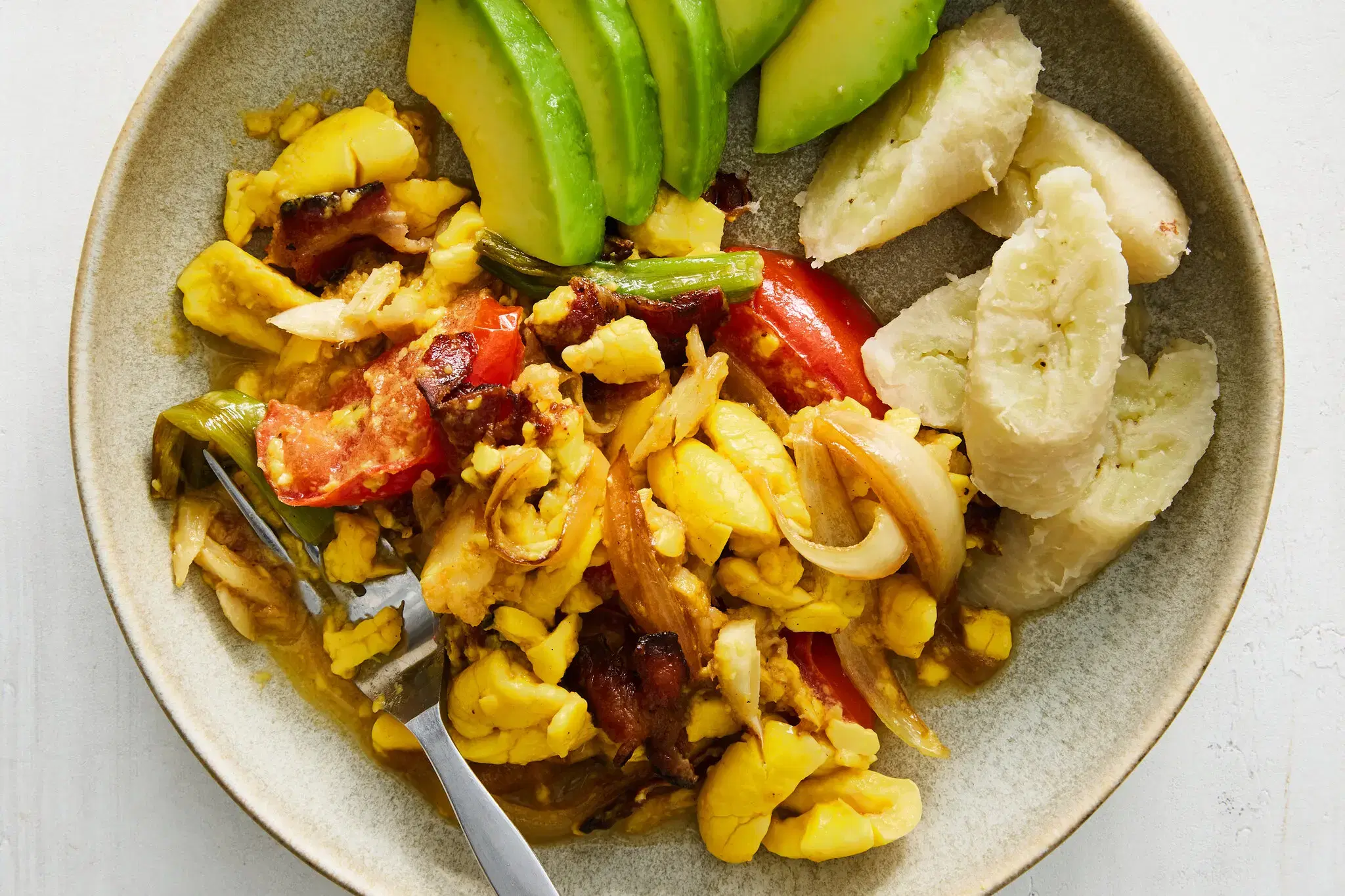
Ackee and Saltfish
Jamaica''s national dish — creamy ackee fruit sautéed with salted cod.

Asian Chicken Lettuce Wraps
Asian chicken lettuce wraps with savory ground chicken, water chestnuts, and hoisin in butter lettuce.

Baked Cod with Lemon and Dill
Baked cod with lemon, garlic, and fresh dill — light, flaky, and ready in 20 minutes.

Bacalhau à Brás (Portuguese Salt Cod)
Shredded salt cod with crispy potatoes, scrambled eggs, and olives — Portugal's beloved comfort dish.