mains · lamb
Lu Sipi (Tongan Lamb in Taro Leaves)
Lamb and onion wrapped in taro leaves with coconut cream, baked until tender — Tonga's feast centerpiece.

Nutrition (per serving)
480
Calories
32g
Protein
12g
Carbs
34g
Fat
3g
Fiber
Ingredients
Method
-
Prepare the taro leaves. Wash thoroughly. Remove the thick central stems. Stack the leaves and roll into bundles, then slice into 1-inch ribbons. If using spinach, set aside for later.
Slice against the grain for tenderness. The grain is the direction of the muscle fibers — cutting across them shortens the fibers, making each bite more tender.
-
Brown the lamb. Heat oil in a Dutch oven over medium-high heat. Season lamb with salt and pepper. Sear in batches for 3 minutes per side until browned. Remove to a plate.
Season generously — underseasoned food is the most common home cooking mistake. You can always add more at the end, but building seasoning in layers produces deeper flavor than a single pass.
-
Sauté the onion and garlic for 3 minutes until softened.
-
Layer and braise. Return the lamb to the pot. Add taro leaves on top. Pour coconut cream over everything. The liquid should nearly cover the ingredients. Bring to a simmer, cover, and cook on low heat for 1.5–2 hours until the lamb is fork-tender and the taro leaves are completely soft.
-
If using spinach, add it in the last 5 minutes of cooking. Stir to wilt.
Stir only when necessary. Constant stirring prevents browning and can break down ingredients that benefit from sustained heat contact.
-
Season and serve over steamed white rice. The sauce should be thick and creamy from the reduced coconut cream.
Season generously — underseasoned food is the most common home cooking mistake. You can always add more at the end, but building seasoning in layers produces deeper flavor than a single pass.
Equipment
- Dutch oven or large pot with lid Recommended: Lodge 6-Quart Enameled Cast Iron Dutch Oven · Also good: Lodge 6-Quart Enameled Cast Iron Dutch Oven
- Tongs Also good: Wok Spatula
Chef Notes
- The most important thing: Taro leaves must be cooked for at least 45 minutes. Raw taro leaves contain calcium oxalate crystals that cause intense throat irritation. Long cooking neutralizes them completely. If using spinach as a substitute, it only needs 5 minutes — add it at the end.
- Lu sipi is Tonga's national dish — lamb wrapped in taro leaves and slow-cooked in coconut cream. It's traditionally prepared in an underground oven (umu) for feasts, but the stovetop version captures the same flavors.
- Use coconut cream, not coconut milk. The higher fat content creates the rich, thick sauce that defines this dish. Coconut milk makes it too thin.
- The lamb should be fall-apart tender — this is a braise, not a quick cook. Low heat and time convert the collagen in the shoulder into gelatin.
- This dish is deeply comforting — rich coconut, tender lamb, and earthy greens. It's Pacific Island soul food.
Common Substitutions
| Ingredient | Substitution | Notes |
|---|---|---|
| Taro leaves | Spinach or Swiss chard | Much shorter cook time — add at end |
| Lamb shoulder | Corned beef (traditional alternative) | Lu sipi with corned beef is equally traditional in Tonga |
| Coconut cream | Full-fat coconut milk | Thinner sauce |
| Lamb | Chicken thighs | Lighter — reduce cook time to 45 min |
What You're Practicing
Lu sipi teaches you coconut braising — using coconut cream as the braising liquid for rich, tropical-flavored stews. This technique is used across Pacific Island, Southeast Asian, and Caribbean cooking. Visit Techniques for more on braising.
You're also learning to work with taro leaves — understanding that some traditional ingredients require specific preparation for safety. This awareness of ingredient preparation is essential when cooking from unfamiliar cuisines. Explore more at Techniques.
Video Resources
Some equipment and ingredient links are affiliate links. We earn a small commission at no extra cost to you. Learn more
Comments (0)
Sign in to commentNo comments yet. Be the first to share your thoughts.
Frequently Asked Questions
- Can I make Lu Sipi (Tongan Lamb in Taro Leaves) ahead of time?
- Yes — prep the components up to a day ahead and store covered in the refrigerator. Reheat gently or bring to room temperature before serving.
- How do I store leftover Lu Sipi (Tongan Lamb in Taro Leaves)?
- Store in an airtight container in the refrigerator for 3-4 days. Reheat gently over medium-low heat, adding a splash of broth or water to prevent drying out.
- Can I freeze Lu Sipi (Tongan Lamb in Taro Leaves)?
- Yes — most cooked mains freeze well for up to 3 months. Cool completely, store in freezer-safe containers, and thaw overnight in the refrigerator before reheating.
- How many servings does this recipe make?
- This recipe serves 6. You can scale the ingredients up or down proportionally — use the Meal Plan servings slider to adjust the grocery list automatically.
- Why does Lu Sipi (Tongan Lamb in Taro Leaves) take so long?
- This recipe takes 2 hours because low-and-slow cooking breaks down tough connective tissue into tender, flavorful gelatin. The hands-on time is much shorter — most of the cook time is unattended.
- Is Lu Sipi (Tongan Lamb in Taro Leaves) gluten free and high protein and keto?
- Yes — this recipe is gluten free and high protein and keto. Check the Common Substitutions section for additional dietary adaptations.
- What substitutions can I make for Lu Sipi (Tongan Lamb in Taro Leaves)?
- See the Common Substitutions section above for ingredient and equipment swaps with specific trade-off notes for each alternative.
You Might Also Like
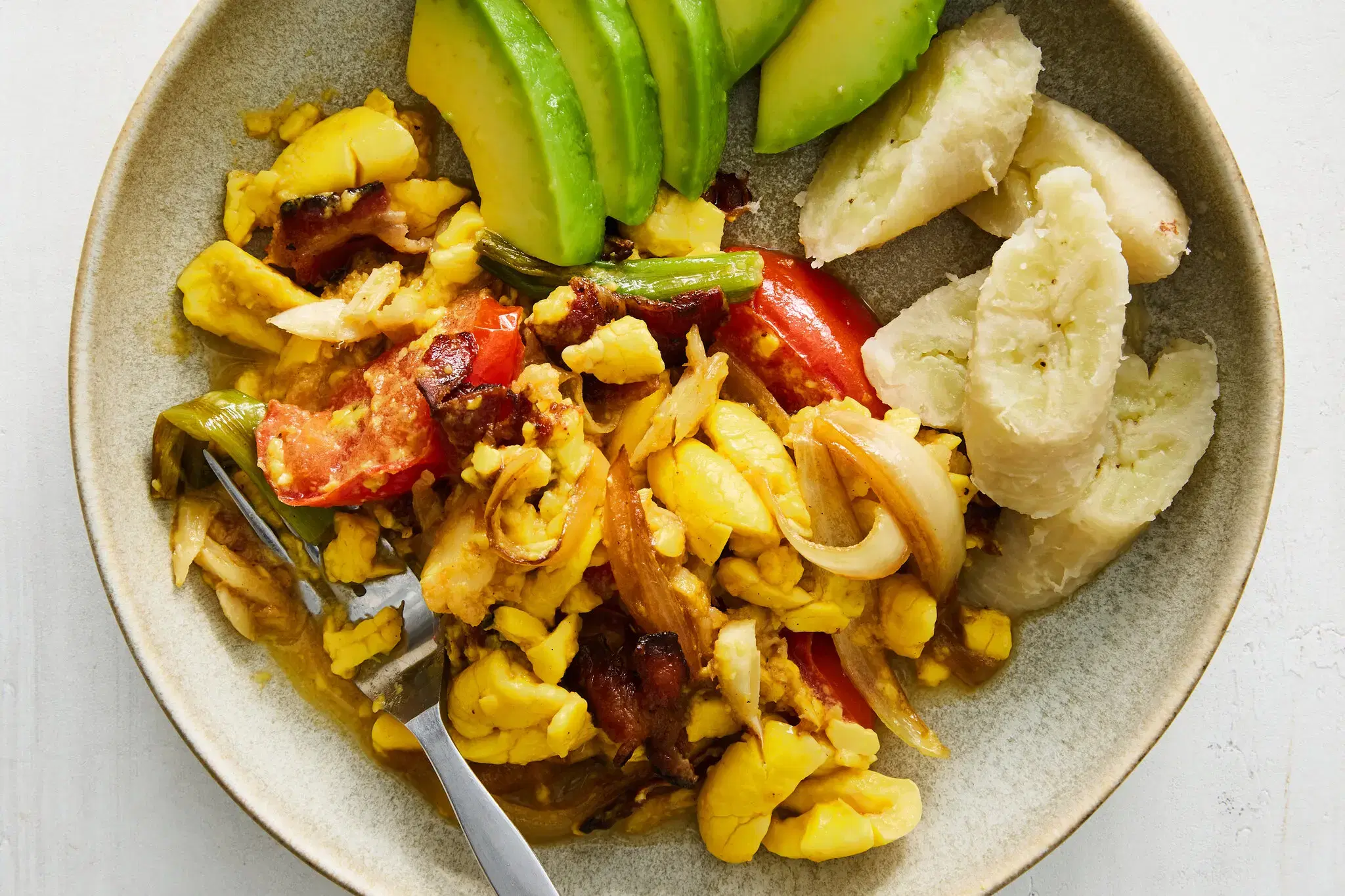
Ackee and Saltfish
Jamaica''s national dish — creamy ackee fruit sautéed with salted cod.

American BBQ Ribs (Oven-to-Grill)
Fall-off-the-bone pork ribs with a spice rub and sticky BBQ glaze — no smoker required.

Bacalhau à Brás (Portuguese Salt Cod)
Shredded salt cod with crispy potatoes, scrambled eggs, and olives — Portugal's beloved comfort dish.

Argentine Steak with Chimichurri
Grilled ribeye with Argentina's iconic chimichurri — raw herb sauce with red wine vinegar and garlic.