mains · Beef
Classic Beef Stew (Ragoût de Boeuf)
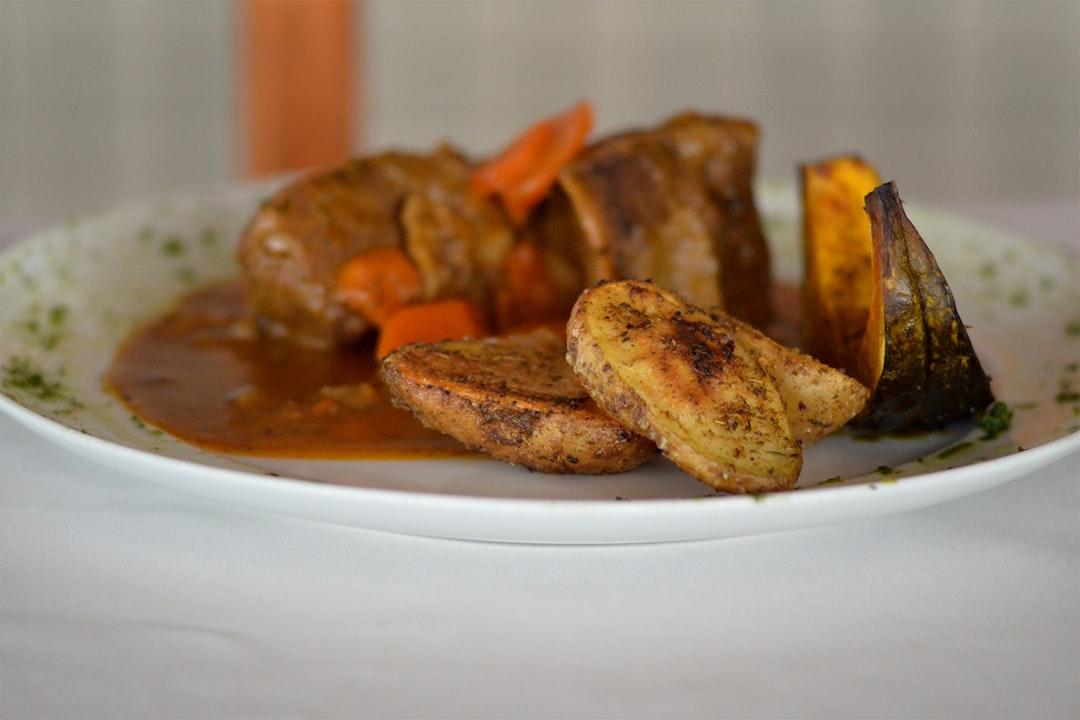
The definitive braised beef stew — seared chuck, red wine, root vegetables, and herbs. A 3-hour exercise in the complete braising method.
Nutrition (per serving)
520
Calories
38g
Protein
28g
Carbs
24g
Fat
4g
Fiber
Ingredients
Method
-
Season the beef generously with salt and pepper. Pat dry with paper towels — dry surfaces sear better. Heat vegetable oil in a Dutch oven over high heat until shimmering.
-
Sear the beef in batches — 3–4 minutes per side until deeply browned on at least two sides. Don't move the pieces while they're searing. The fond (caramelized bits) on the bottom of the pot is concentrated flavor. Remove each batch to a plate. This takes 12–15 minutes total.
-
Cook the aromatics. Reduce heat to medium. Add the onion and cook for 5 minutes until softened, scraping up the fond. Add the garlic and cook 30 seconds. Add the tomato paste and stir for 1 minute — this blooms the paste and removes the raw, tinny taste.
-
Deglaze with red wine, scraping up every bit of fond. Let the wine reduce by half — about 4 minutes. The alcohol cooks off and the wine concentrates into a savory, acidic base.
-
Return the beef and add the stock, bay leaves, thyme, and Worcestershire sauce. The liquid should just cover the meat. Bring to a boil, then reduce to a bare simmer. Cover and cook for 1.5 hours until the beef is almost tender.
-
Add the potatoes, carrots, and celery. Continue simmering uncovered for 30–40 minutes until the vegetables are tender and the beef is fall-apart soft. The uncovered pot allows the sauce to reduce and thicken.
-
Thicken the sauce if needed. Mix 2 tablespoons flour with 2 tablespoons cold water to make a slurry. Stir into the stew and simmer for 5 minutes until thickened. Add the frozen peas in the last 2 minutes — they just need to heat through. Remove bay leaves and thyme sprigs. Adjust salt and pepper.
Equipment
- Dutch oven Recommended: Lodge 6-Quart Enameled Cast Iron Dutch Oven · Also good: Lodge 6-Quart Enameled Cast Iron Dutch Oven
- Tongs Also good: Wok Spatula
- Wooden spoon Recommended: Riveira Olive Wood Cooking Spoons Set
Chef Notes
- The most important thing: Brown the beef in batches — don't crowd the pot. Crowded meat steams instead of searing, and you lose the Maillard reaction that creates the flavor foundation. Work in 3 batches with space between pieces. This step takes 12–15 minutes and is worth every second.
- Use beef chuck, not stew meat. Pre-cut "stew meat" is often a mix of scraps from different cuts with inconsistent fat and connective tissue. Chuck is uniformly marbled and braises beautifully.
- The red wine deglazes the fond and adds acidity and depth. Let it reduce by half before adding stock — this concentrates the flavor and cooks off the raw alcohol.
- Add the potatoes and carrots 45 minutes before the stew is done, not at the beginning. Root vegetables added too early disintegrate into the sauce.
- This stew is better the next day. Make it ahead, refrigerate overnight, and reheat. The flavors deepen dramatically.
Common Substitutions
| Ingredient | Substitution | Notes |
|---|---|---|
| Beef chuck | Lamb shoulder or pork shoulder | Same technique, same cook time. Different flavor |
| Red wine | Beef stock + 1 tbsp balsamic vinegar | Loses wine complexity but balsamic adds acidity |
| Potatoes | Parsnips or sweet potatoes | Parsnips add sweetness; sweet potatoes are softer |
| Flour slurry | 1 tbsp cornstarch in 1 tbsp water | Cornstarch thickens faster and creates a glossier sauce |
| Dutch oven | Slow cooker (8 hrs low, skip searing) | Sear in a skillet first for best flavor, then transfer |
What You're Practicing
Beef stew teaches you the complete braise workflow: sear → build aromatics → deglaze → simmer low and slow → add vegetables in stages. This is the most fundamental technique in comfort cooking and it produces dozens of dishes: boeuf bourguignon, Irish stew, chili, pot roast. Master the workflow once and you can cook all of them. Visit Techniques for more on braising.
You're also learning fond management — the skill of building, preserving, and dissolving the caramelized protein residue on the bottom of the pot. Fond is the single most important flavor source in any braise or pan sauce. Every step of the stew (searing, deglazing, simmering) is designed to create and capture fond. Explore more at Pan and Daughter Sauces.
Video Resources
Some equipment and ingredient links are affiliate links. We earn a small commission at no extra cost to you. Learn more
Comments (0)
Sign in to commentNo comments yet. Be the first to share your thoughts.
Frequently Asked Questions
- Can I make Classic Beef Stew (Ragoût de Boeuf) ahead of time?
- Yes. ahead, refrigerate overnight, and reheat.
- How do I store leftover Classic Beef Stew (Ragoût de Boeuf)?
- Store in an airtight container in the refrigerator for 3-4 days. Reheat gently over medium-low heat, adding a splash of broth or water to prevent drying out.
- Can I freeze Classic Beef Stew (Ragoût de Boeuf)?
- Yes — most cooked mains freeze well for up to 3 months. Cool completely, store in freezer-safe containers, and thaw overnight in the refrigerator before reheating.
- How many servings does this recipe make?
- This recipe serves 6. You can scale the ingredients up or down proportionally — use the Meal Plan servings slider to adjust the grocery list automatically.
- Why does Classic Beef Stew (Ragoût de Boeuf) take so long?
- This recipe takes 3 hours because low-and-slow cooking breaks down tough connective tissue into tender, flavorful gelatin. The hands-on time is much shorter — most of the cook time is unattended.
- Is Classic Beef Stew (Ragoût de Boeuf) dairy free and high protein?
- Yes — this recipe is dairy free and high protein. Check the Common Substitutions section for additional dietary adaptations.
- Is this an authentic French recipe?
- This recipe follows traditional French techniques and ingredients. The Chef Notes section explains any adaptations for home kitchen accessibility and suggests authentic alternatives where substitutions are made.
- What substitutions can I make for Classic Beef Stew (Ragoût de Boeuf)?
- See the Common Substitutions section above for ingredient and equipment swaps with specific trade-off notes for each alternative.
You Might Also Like

Bacalhau à Brás (Portuguese Salt Cod)
Shredded salt cod with crispy potatoes, scrambled eggs, and olives — Portugal's beloved comfort dish.
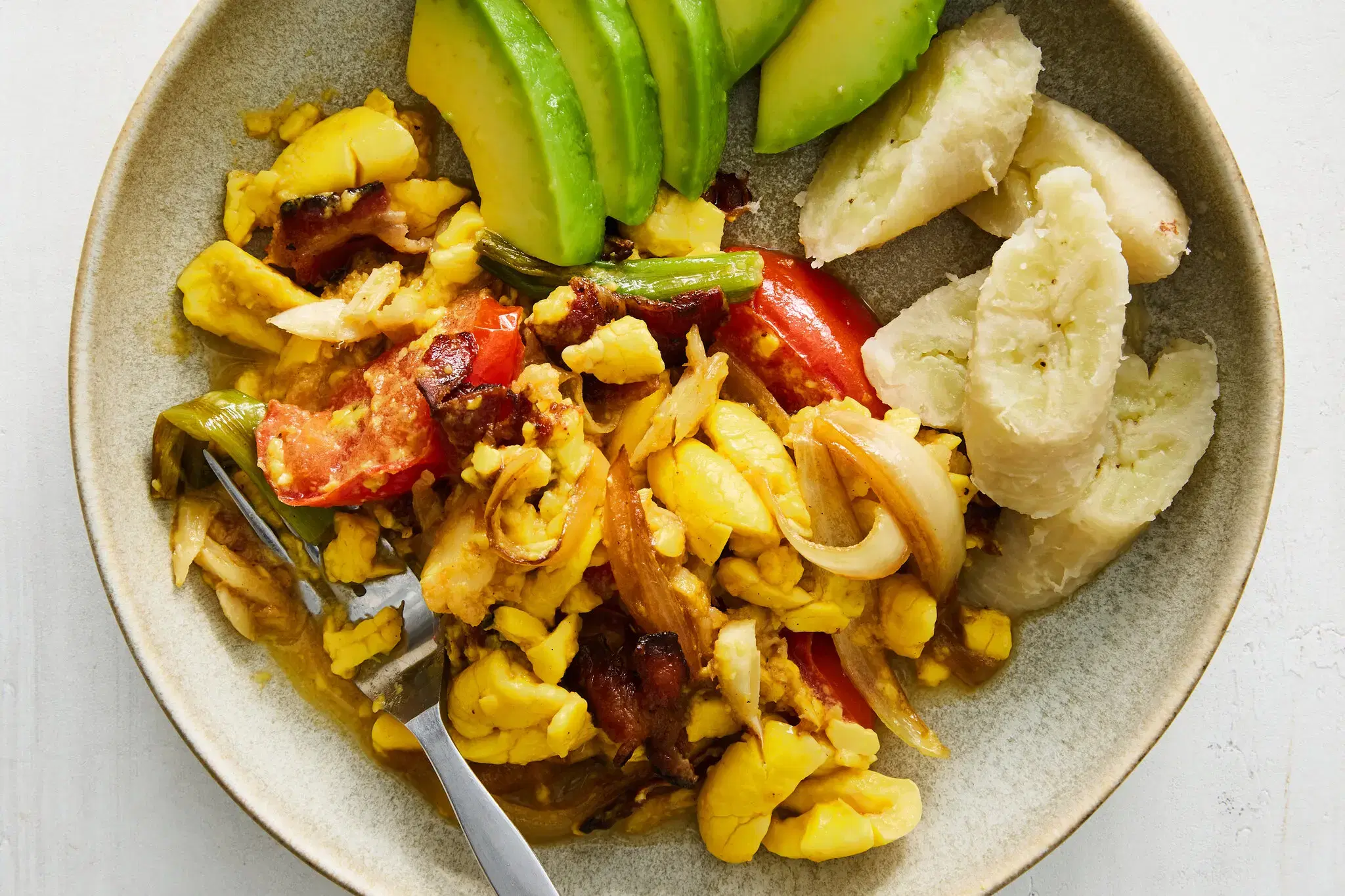
Ackee and Saltfish
Jamaica''s national dish — creamy ackee fruit sautéed with salted cod.

Australian Meat Pie
Flaky pastry filled with savory beef and gravy — Australia's iconic handheld comfort food.

American BBQ Ribs (Oven-to-Grill)
Fall-off-the-bone pork ribs with a spice rub and sticky BBQ glaze — no smoker required.