sides · Fermented
Homemade Ferments: Kimchi, Sauerkraut, and Quick Hot Sauce
The culmination — fermentation, curing, sous vide, consommé, and the creative freedom to compose your own dishes.

Nutrition (per serving)
280
Calories
8g
Protein
32g
Carbs
14g
Fat
4g
Fiber
Ingredients
For the kimchi (napa cabbage):
For the sauerkraut:
For the fermented hot sauce:
Method
-
Kimchi — Brine the cabbage. Toss the cut cabbage with 1/4 cup kosher salt in a large bowl. Massage the salt into the leaves for 2 minutes, then let sit for 1-2 hours, tossing every 30 minutes. The salt draws water out of the cabbage through osmosis, wilting it and creating the brine that will become the fermentation medium. After brining, rinse 3 times under cold water and drain thoroughly.
-
Make the kimchi paste by combining garlic, ginger, gochugaru, fish sauce, and sugar. Gochugaru is the soul of kimchi — it provides a fruity, moderately spicy heat that's completely different from cayenne or chili powder. There is no substitute. Toss the drained cabbage, scallions, and daikon with the paste until every piece is coated. Pack tightly into a clean glass jar, pressing down to eliminate air pockets. Leave 1 inch of headspace — the kimchi will expand as it ferments.
-
Ferment the kimchi at room temperature for 2-5 days, pressing down daily to keep the vegetables submerged in their own brine. Taste daily starting on day 2. When it reaches your preferred level of tanginess, transfer to the refrigerator. Cold slows fermentation dramatically but doesn't stop it — kimchi continues to develop flavor for months. The lactobacillus bacteria that drive fermentation are naturally present on the cabbage leaves.
-
Sauerkraut — Massage the cabbage. Toss shredded cabbage with salt in a large bowl. Massage vigorously with your hands for 5-10 minutes until the cabbage releases enough liquid to be submerged in its own brine. This is the only ingredient: cabbage and salt. The salt creates an environment where lactobacillus thrives and harmful bacteria cannot survive. Add caraway seeds if using.
-
Pack the sauerkraut tightly into a clean glass jar, pressing down firmly so the brine rises above the cabbage. Weight it down with a smaller jar filled with water or a fermentation weight. The cabbage must stay submerged — any cabbage exposed to air will mold. Ferment at room temperature for 1-4 weeks, tasting weekly. The longer it ferments, the more sour and complex it becomes.
-
Fermented hot sauce — Blend and ferment. Roughly chop the chiles and garlic, then pulse in a food processor until you have a coarse paste (not a smooth purée). Mix with salt and sugar, transfer to a glass jar, and cover loosely. Ferment at room temperature for 5-7 days, stirring daily. The paste will bubble as the lactobacillus produces CO2 — this is the sign that fermentation is active. After fermenting, blend smooth with a splash of vinegar and strain if desired.
Equipment
- Large glass jars (wide-mouth mason jars, 1 quart)
- Fermentation weights or small jars for weighing down
- Food processor (for hot sauce) Recommended: Vitamix VX1
- Large mixing bowls Recommended: Vollrath 13-Quart Stainless Steel Mixing Bowl
- Kitchen scale (for accurate salt measurement) Recommended: Escali Primo Digital Kitchen Scale
- Clean cloth or loose lids (ferments need to breathe)
Chef Notes
- The most important thing: Cleanliness is critical but sterility is not. Wash your jars and hands well, but don't use antibacterial soap or bleach — you want the beneficial lactobacillus bacteria that are naturally present on the vegetables. They're the ones doing the fermenting.
- Salt concentration matters. Too little salt and harmful bacteria can grow. Too much and fermentation stalls. For sauerkraut, use 2% salt by weight (1 tbsp per pound). For kimchi, the initial brine is heavier because you rinse it off.
- Temperature controls speed. 65-75°F is ideal. Warmer = faster but less complex. Cooler = slower but more nuanced flavors.
- Bubbling is good — it means the lactobacillus is producing CO2. Mold on the surface is usually harmless (scrape it off), but pink, black, or fuzzy mold means start over.
- All three ferments keep for months in the refrigerator. They continue to develop flavor slowly in the cold.
Common Substitutions
| Ingredient | Substitution | Notes |
|---|---|---|
| Gochugaru | Aleppo pepper flakes | Less traditional but similar fruity heat. Don't use cayenne |
| Fish sauce (in kimchi) | Soy sauce + 1/2 tsp sugar | Makes it vegan. Loses the fermented depth |
| Napa cabbage | Green cabbage | Different texture — crunchier, less tender |
| Fresh red chiles | Dried chiles (rehydrated) | Less fresh flavor but works for hot sauce |
| Caraway seeds | Juniper berries (2-3) | Traditional in some German sauerkraut recipes |
What You're Practicing
These three ferments teach the fundamental science of lacto-fermentation — using salt to create an environment where beneficial lactobacillus bacteria thrive, converting sugars into lactic acid. This same process produces yogurt, sourdough, miso, and thousands of other fermented foods worldwide. Understanding the variables (salt concentration, temperature, time, submersion) gives you control over any fermentation project. Visit Brines, Cures & Marinades for more on fermentation science.
The kimchi-making process specifically teaches the Korean approach to building layered flavor in a ferment — the paste (gochugaru + garlic + ginger + fish sauce) creates complexity that simple salt-and-vegetable ferments like sauerkraut don't have. This layered approach to fermentation appears in Japanese miso, Chinese doubanjiang, and Indonesian tempeh.
Some equipment and ingredient links are affiliate links. We earn a small commission at no extra cost to you. Learn more
Comments (0)
Sign in to commentNo comments yet. Be the first to share your thoughts.
Frequently Asked Questions
- Can I make Homemade Ferments: Kimchi, Sauerkraut, and Quick Hot Sauce ahead of time?
- Yes — prep the components up to a day ahead and store covered in the refrigerator. Reheat gently or bring to room temperature before serving.
- How do I store leftover Homemade Ferments: Kimchi, Sauerkraut, and Quick Hot Sauce?
- Store in an airtight container in the refrigerator for 3-4 days. Most sides reheat well in the oven at 350°F for 10-15 minutes.
- Can I freeze Homemade Ferments: Kimchi, Sauerkraut, and Quick Hot Sauce?
- Most cooked sides freeze well for 2-3 months. Soups and stews freeze especially well. Avoid freezing dishes with high dairy content — they can separate when thawed.
- How many servings does this recipe make?
- This recipe serves 4. You can scale the ingredients up or down proportionally — use the Meal Plan servings slider to adjust the grocery list automatically.
- Is Homemade Ferments: Kimchi, Sauerkraut, and Quick Hot Sauce a quick recipe?
- Yes — this recipe is ready in 30 minutes including prep time, making it perfect for busy weeknights.
- Is this an authentic Korean recipe?
- This recipe follows traditional Korean techniques and ingredients. The Chef Notes section explains any adaptations for home kitchen accessibility and suggests authentic alternatives where substitutions are made.
- What substitutions can I make for Homemade Ferments: Kimchi, Sauerkraut, and Quick Hot Sauce?
- See the Common Substitutions section above for ingredient and equipment swaps with specific trade-off notes for each alternative.
You Might Also Like

Baba Ganoush
Baba ganoush with charred eggplant and tahini — smoky, creamy, and deeply savory.

Braised Collard Greens
Braised collard greens slow-simmered with bacon, vinegar, and chicken stock until silky tender.
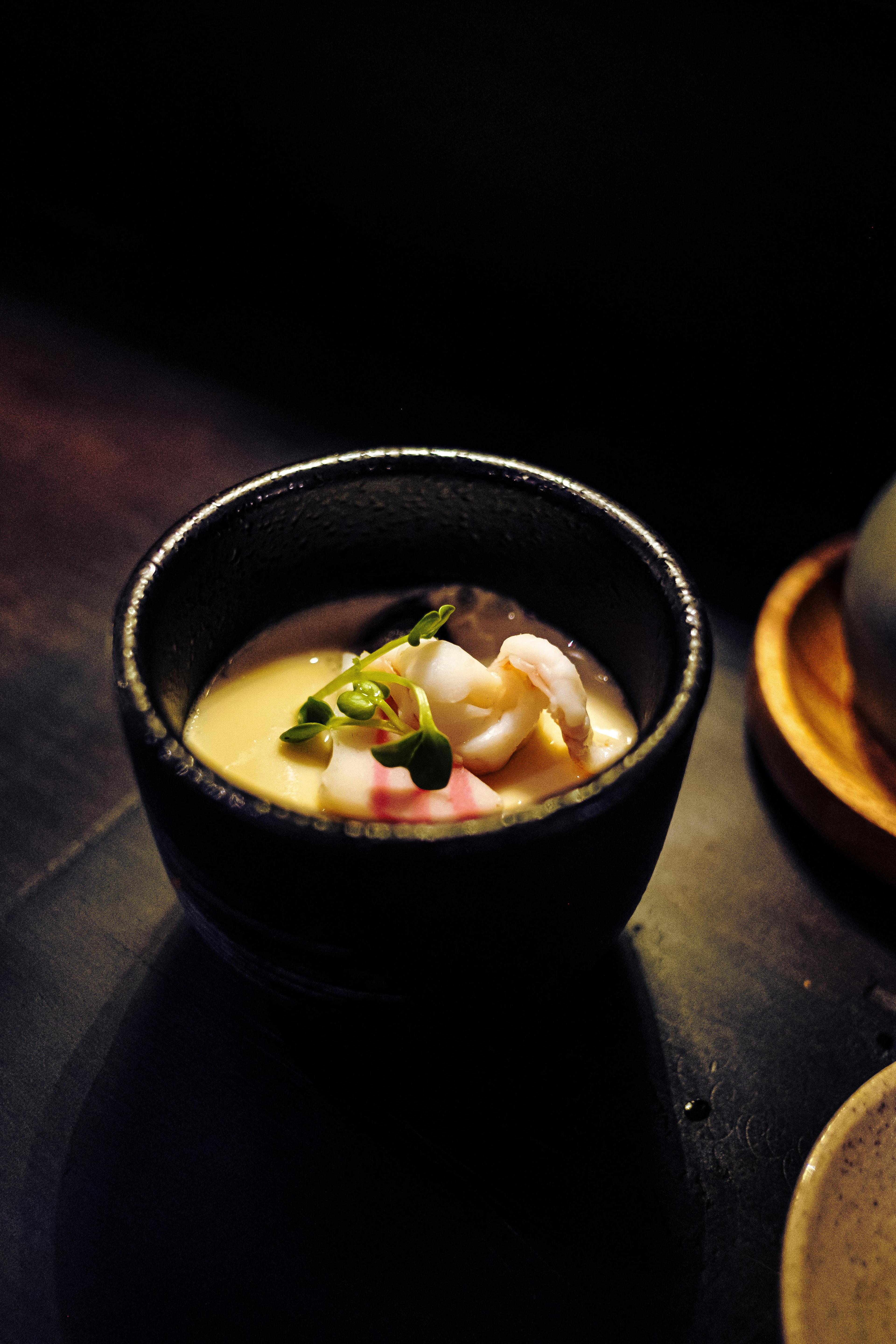
Chawanmushi (Japanese Savory Egg Custard)
Chawanmushi — a silky Japanese steamed egg custard with shrimp, chicken, and mushroom hidden inside.

Baked Sweet Potato Fries
Baked sweet potato fries with a cornstarch coating for crispy edges and sriracha mayo for dipping.