sides · vegetables
Japchae (Korean Glass Noodle Stir-Fry)
Japchae with sweet potato glass noodles, vegetables, and sesame-soy sauce. A Korean celebration dish in 30 minutes.

Nutrition (per serving)
280
Calories
5g
Protein
42g
Carbs
10g
Fat
3g
Fiber
Ingredients
For the noodles:
For the sauce:
For the stir-fry:
Method
-
Cook the noodles in a large pot of boiling water for 6-7 minutes until chewy and translucent. Dangmyeon noodles go from hard to perfectly chewy quickly — start testing at 5 minutes. Drain, rinse under cold water to stop cooking, and toss with 1 tbsp sesame oil to prevent sticking. Cut into manageable lengths with scissors.
-
Mix the sauce ingredients in a small bowl: soy sauce, sugar, sesame oil, rice vinegar, garlic, and black pepper. Stir until the sugar dissolves. Set aside.
-
Stir-fry the vegetables individually. Heat 1 tsp oil in a wok over high heat. Cook the onion for 2 minutes until softened. Transfer to a large mixing bowl. Repeat with the carrot (2 minutes), mushrooms (2 minutes), and bell pepper (1 minute), adding a small amount of oil each time. This individual cooking method — called "mise en place stir-fry" — ensures every vegetable is perfectly cooked.
-
Wilt the spinach in the same wok with no additional oil for 30 seconds, just until it collapses. Squeeze out excess water and add to the bowl. Raw spinach releases a surprising amount of liquid — if you don't squeeze it, the japchae becomes watery.
-
Combine everything in the large mixing bowl: noodles, all cooked vegetables, scallions, and the sauce. Toss thoroughly with tongs or your hands (hands work better — you can feel when everything is evenly coated). The noodles should absorb the sauce and take on a glossy, caramel color.
-
Taste and adjust. Add more soy sauce if it needs salt, more sugar if it needs sweetness, or more sesame oil for richness. Sprinkle with toasted sesame seeds.
-
Serve at room temperature or slightly warm. Japchae is a celebration dish in Korea — served at holidays, weddings, and birthdays. It pairs beautifully with any Korean main, from bulgogi to galbi, and it's equally good as a standalone vegetarian meal.
Equipment
- Large pot for boiling noodles
- Wok or large skillet Recommended: Joyce Chen 14-Inch Carbon Steel Wok
- Kitchen scissors
- Large mixing bowl Recommended: Vollrath 13-Quart Stainless Steel Mixing Bowl
Chef Notes
- The most important thing: Cook each vegetable separately. This sounds tedious but it's the secret — each vegetable has a different cook time, and mixing them together results in some being overcooked and others raw. The Korean technique of cooking components individually and combining at the end produces superior results.
- Korean sweet potato noodles (dangmyeon) are chewy, translucent, and gluten-free. They're available at Asian grocery stores and online. Regular glass noodles (mung bean) are thinner and less chewy — they work but the texture is different.
- Cut the noodles with scissors after cooking. Uncut dangmyeon noodles are impossibly long and difficult to eat.
- Japchae is traditionally served at room temperature, making it perfect for meal prep and potlucks.
- The sweet-savory sauce ratio is key. Taste and adjust — it should be noticeably sweet with a salty backbone.
Common Substitutions
| Ingredient | Substitution | Notes |
|---|---|---|
| Dangmyeon (sweet potato noodles) | Mung bean glass noodles or rice vermicelli | Thinner and less chewy — reduce cook time |
| Shiitake mushrooms | Cremini or oyster mushrooms | Shiitake have the most umami depth |
| Spinach | Watercress or baby bok choy | Both wilt quickly and add a peppery note |
| Soy sauce | Tamari | Makes it gluten-free; same flavor profile |
What You're Practicing
Japchae teaches the Korean principle of cooking components separately and combining them at the end. This approach — which appears in bibimbap, kimbap, and many Korean banchan — gives you precise control over the texture of each ingredient. It's the opposite of a one-pot approach, and it produces noticeably better results when you have ingredients with different cook times. Visit Techniques for more on component cooking.
The stir-fry technique here reinforces high-heat, quick-cooking fundamentals. Working in batches with a hot wok prevents the vegetables from steaming (which happens when you overcrowd the pan). This same principle applies to any stir-fry in any cuisine.
Video Resources
Some equipment and ingredient links are affiliate links. We earn a small commission at no extra cost to you. Learn more
Comments (0)
Sign in to commentNo comments yet. Be the first to share your thoughts.
Frequently Asked Questions
- Can I make Japchae (Korean Glass Noodle Stir-Fry) ahead of time?
- Yes — prep the components up to a day ahead and store covered in the refrigerator. Reheat gently or bring to room temperature before serving.
- How do I store leftover Japchae (Korean Glass Noodle Stir-Fry)?
- Store in an airtight container in the refrigerator for 3-4 days. Most sides reheat well in the oven at 350°F for 10-15 minutes.
- Can I freeze Japchae (Korean Glass Noodle Stir-Fry)?
- Most cooked sides freeze well for 2-3 months. Soups and stews freeze especially well. Avoid freezing dishes with high dairy content — they can separate when thawed.
- How many servings does this recipe make?
- This recipe serves 4. You can scale the ingredients up or down proportionally — use the Meal Plan servings slider to adjust the grocery list automatically.
- Is Japchae (Korean Glass Noodle Stir-Fry) a quick recipe?
- Yes — this recipe is ready in 30 minutes including prep time, making it perfect for busy weeknights.
- Is Japchae (Korean Glass Noodle Stir-Fry) vegetarian and dairy free?
- Yes — this recipe is vegetarian and dairy free. Check the Common Substitutions section for additional dietary adaptations.
- Is this an authentic Korean recipe?
- This recipe follows traditional Korean techniques and ingredients. The Chef Notes section explains any adaptations for home kitchen accessibility and suggests authentic alternatives where substitutions are made.
- What substitutions can I make for Japchae (Korean Glass Noodle Stir-Fry)?
- See the Common Substitutions section above for ingredient and equipment swaps with specific trade-off notes for each alternative.
You Might Also Like

Baba Ganoush
Baba ganoush with charred eggplant and tahini — smoky, creamy, and deeply savory.

Baked Sweet Potato Fries
Baked sweet potato fries with a cornstarch coating for crispy edges and sriracha mayo for dipping.

Baked Mac and Cheese (American Classic)
Creamy béchamel-based mac and cheese with sharp cheddar, Gruyère, and a golden panko crust.
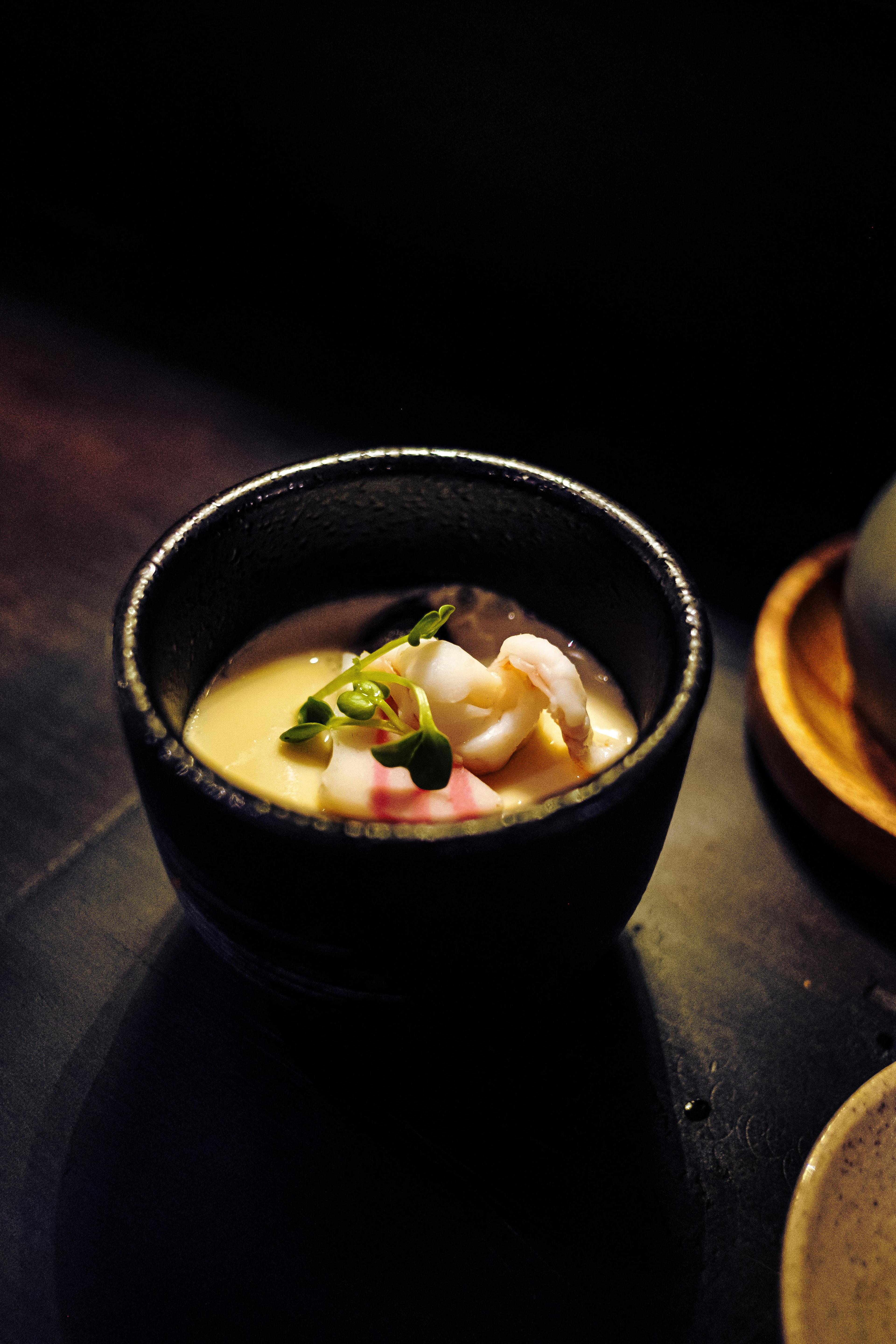
Chawanmushi (Japanese Savory Egg Custard)
Chawanmushi — a silky Japanese steamed egg custard with shrimp, chicken, and mushroom hidden inside.