sides
Stovetop Mac and Cheese
Creamy stovetop mac and cheese with sharp cheddar — no baking required, ready in 20 minutes.

Nutrition (per serving)
280
Calories
8g
Protein
32g
Carbs
14g
Fat
4g
Fiber
Ingredients
For the topping (optional):
Method
-
Cook the pasta until 1 minute short of al dente. Drain and set aside.
Drain thoroughly — excess water dilutes sauces and prevents browning. A few extra seconds of draining makes a noticeable difference in the final dish.
-
Make the roux. Melt butter in a saucepan over medium heat. Add flour and whisk for 2 minutes until pale golden and nutty-smelling.
Whisk vigorously to incorporate air and create a smooth, emulsified mixture. The motion should come from your wrist, not your whole arm — it's more efficient and less tiring.
-
Add the milk gradually, whisking constantly. Pour in about 1/3 at a time, whisking until smooth before adding more. Bring to a gentle simmer and cook for 5 minutes until the sauce thickens enough to coat the back of a spoon.
-
Add the cheese. Remove from heat. Stir in cheddar, Gruyère, and cream cheese until melted and smooth. Add mustard, garlic powder, cayenne, salt, and pepper.
Salt early and throughout the cooking process. Salt added at the beginning penetrates the food; salt added at the end sits on the surface. Both are important, but the foundation matters most.
-
Combine. Fold the pasta into the cheese sauce. For stovetop mac: serve immediately. For baked mac: transfer to a buttered baking dish.
Position the rack in the center of the oven for even heat distribution. The top rack runs hotter (closer to the heating element) and the bottom rack is cooler.
-
For baked version: Mix panko with melted butter and Parmesan. Sprinkle over the top. Bake at 375°F for 20–25 minutes until the top is golden and the edges are bubbling.
Position the rack in the center of the oven for even heat distribution. The top rack runs hotter (closer to the heating element) and the bottom rack is cooler.
Equipment
- Large pot (for pasta) Recommended: Lodge 6-Quart Enameled Cast Iron Dutch Oven
- Medium saucepan (for sauce) Recommended: Cuisinart Chef's Classic 3-Quart Saucepan
- Whisk Recommended: OXO Good Grips 11-Inch Balloon Whisk
- Baking dish (if baking) Recommended: 9x13 baking dish
Chef Notes
- The most important thing: Make a proper roux-based béchamel before adding cheese. Cook the flour in butter for 2 full minutes — this eliminates the raw flour taste and ensures the sauce thickens properly. A raw-tasting sauce ruins the entire dish.
- Warm the milk before adding it to the roux. Cold milk hitting hot roux creates lumps. Warm milk incorporates smoothly and the sauce thickens evenly.
- Use a mix of cheeses. Sharp cheddar provides flavor, Gruyère adds nuttiness and superior melting, cream cheese adds body and prevents the sauce from breaking. All-cheddar sauce is one-dimensional and can turn grainy.
- Add cheese off heat. High heat causes cheese proteins to seize and the sauce becomes grainy and oily. Remove from heat, then stir in cheese until melted.
- Slightly undercook the pasta — it finishes cooking in the sauce (or in the oven if baking). Overcooked pasta in mac and cheese turns to mush.
Common Substitutions
| Ingredient | Substitution | Notes |
|---|---|---|
| Gruyère | Fontina or Gouda | Good melting cheeses |
| Sharp cheddar | Extra sharp or white cheddar | More or less tang |
| Whole milk | Half-and-half | Richer sauce |
| Elbow macaroni | Cavatappi, shells, or penne | Any shape that holds sauce |
| Panko topping | Crushed Ritz crackers | Richer, more buttery |
What You're Practicing
Mac and cheese teaches you béchamel-based cheese sauce (Mornay) — the mother sauce technique of building a roux, adding milk, then melting cheese into the warm base. This is the foundation of cheese soufflé, croque monsieur, and any gratin. Visit Pan and Daughter Sauces for the full sauce family.
You're also learning cheese melting science — why different cheeses behave differently when heated, and how mixing high-moisture cheeses (cream cheese) with aged cheeses (cheddar) prevents the sauce from breaking. Explore more at Techniques.
Video Resources
Some equipment and ingredient links are affiliate links. We earn a small commission at no extra cost to you. Learn more
Comments (0)
Sign in to commentNo comments yet. Be the first to share your thoughts.
Frequently Asked Questions
- Can I make Stovetop Mac and Cheese ahead of time?
- Yes — prep the components up to a day ahead and store covered in the refrigerator. Reheat gently or bring to room temperature before serving.
- How do I store leftover Stovetop Mac and Cheese?
- Store in an airtight container in the refrigerator for 3-4 days. Most sides reheat well in the oven at 350°F for 10-15 minutes.
- Can I freeze Stovetop Mac and Cheese?
- Most cooked sides freeze well for 2-3 months. Soups and stews freeze especially well. Avoid freezing dishes with high dairy content — they can separate when thawed.
- How many servings does this recipe make?
- This recipe serves 4. You can scale the ingredients up or down proportionally — use the Meal Plan servings slider to adjust the grocery list automatically.
- Is Stovetop Mac and Cheese a quick recipe?
- Yes — this recipe is ready in 30 minutes including prep time, making it perfect for busy weeknights.
- Is Stovetop Mac and Cheese vegetarian?
- Yes — this recipe is vegetarian. Check the Common Substitutions section for additional dietary adaptations.
- What substitutions can I make for Stovetop Mac and Cheese?
- See the Common Substitutions section above for ingredient and equipment swaps with specific trade-off notes for each alternative.
You Might Also Like

Baba Ganoush
Baba ganoush with charred eggplant and tahini — smoky, creamy, and deeply savory.

Baked Mac and Cheese (American Classic)
Creamy béchamel-based mac and cheese with sharp cheddar, Gruyère, and a golden panko crust.

Baked Sweet Potato Fries
Baked sweet potato fries with a cornstarch coating for crispy edges and sriracha mayo for dipping.
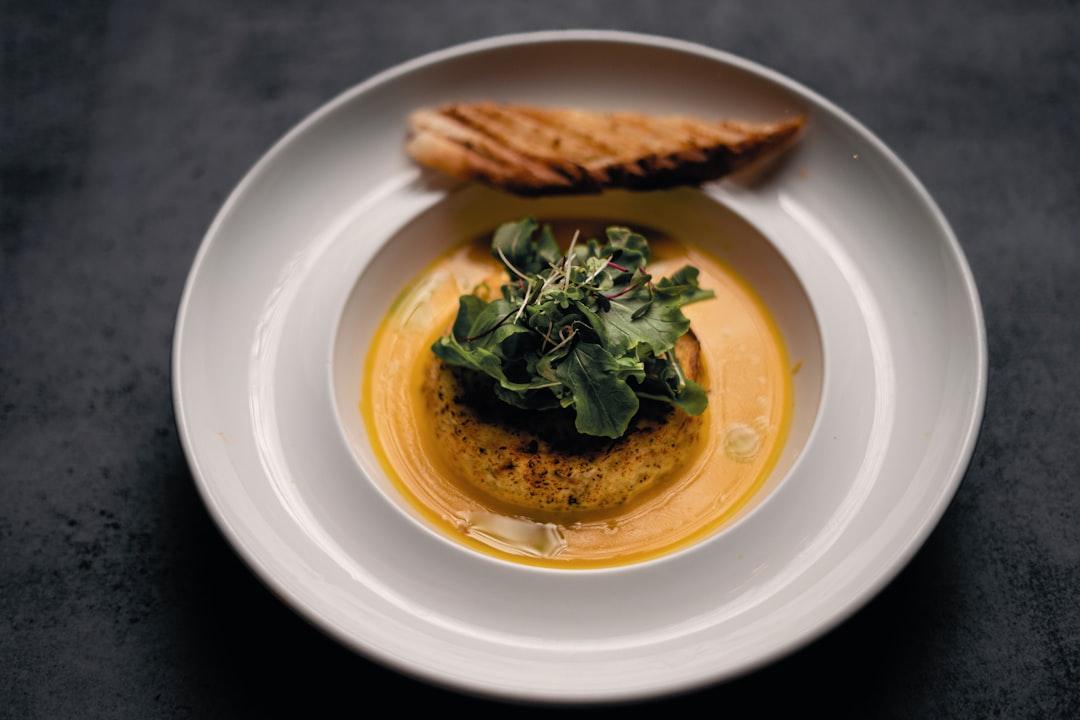
Butternut Squash Bisque with Sage Brown Butter
Silky roasted squash soup finished with a sage brown butter drizzle. Teaches the purée soup method and the liaison technique.