mains · Chicken
Chicken Korma
A world tour of flavor — mole, jerk, curry, sushi, and the spice profiles that define regional cuisines.

Nutrition (per serving)
380
Calories
35g
Protein
8g
Carbs
22g
Fat
2g
Fiber
Ingredients
For the marinade:
For the korma sauce:
Method
-
Marinate the chicken by combining the chicken pieces with yogurt, turmeric, and salt in a bowl. Mix until every piece is coated. Cover and refrigerate for at least 30 minutes (up to overnight). The yogurt's lactic acid gently breaks down the surface proteins, making the chicken more tender and helping it absorb the spices.
-
Prepare the cashew paste by soaking the cashews in hot water for 15 minutes, then blending with 2–3 tablespoons of the soaking water until completely smooth. This should be the consistency of heavy cream — no visible chunks. Set aside.
-
Cook the aromatics. Heat ghee in a Dutch oven over medium heat. Add the onion and cook for 8–10 minutes, stirring occasionally, until deeply golden brown. This is the foundation of the sauce — the natural sugars in the onion caramelize and create sweetness that balances the spices. Add the garlic and ginger, cook for 1 minute until fragrant.
-
Bloom the spices. Add the cumin, coriander, garam masala, cardamom, cinnamon, and cayenne (if using). Stir constantly for 60 seconds. Blooming spices in hot fat releases their volatile oils and transforms them from dusty powder into aromatic flavor — this is the single most important technique in Indian cooking. The kitchen should smell intensely fragrant.
-
Add the marinated chicken (with the yogurt) and sear for 3–4 minutes, stirring occasionally, until the chicken is lightly browned on the outside. The yogurt will break and look curdled — this is normal. It incorporates into the sauce as it cooks.
-
Add the cashew paste and coconut milk. Stir to combine, bring to a gentle simmer, then reduce heat to low. Cover and cook for 20–25 minutes until the chicken is cooked through and the sauce has thickened to a creamy, coating consistency. Stir in the honey and adjust salt. The sauce should be rich, slightly sweet, and aromatic — not thin or watery.
-
Garnish with fresh cilantro and serve over basmati rice or with warm naan. The sauce is the star — make sure there's enough to generously coat the rice.
Equipment
- Dutch oven or heavy-bottomed pot Recommended: Lodge 6-Quart Enameled Cast Iron Dutch Oven · Also good: Lodge 6-Quart Enameled Cast Iron Dutch Oven
- Blender (for cashew paste) Recommended: Ninja Professional Plus Blender
- Cutting board Recommended: John Boos Maple Edge-Grain Cutting Board 18x12
- Wooden spoon Recommended: Riveira Olive Wood Cooking Spoons Set
Chef Notes
- The most important thing: Korma is a mild, creamy curry — not a spicy one. The warmth comes from aromatic spices (cardamom, cinnamon, coriander), not chili heat. If you want heat, add cayenne sparingly. The dish should taste rich and fragrant, not fiery.
- Marinate the chicken in yogurt for at least 30 minutes. The yogurt tenderizes the surface and helps the spices adhere. Overnight is even better.
- The cashew paste is what makes korma creamy without being heavy. Soak the cashews in hot water for 15 minutes, then blend to a smooth paste. This is the traditional thickener — it's richer and more complex than just adding cream.
- Cook the onions until deeply golden — 8–10 minutes, not 3. Under-cooked onions make the sauce taste raw and sharp. Properly caramelized onions dissolve into the sauce and create a sweet, silky base.
- Serve with basmati rice or naan. The sauce is meant to be scooped — it's too rich to eat without a starch.
Common Substitutions
| Ingredient | Substitution | Notes |
|---|---|---|
| Cashew paste | Almond paste or coconut cream | Almonds are traditional in some regions. Coconut cream is nut-free |
| Chicken thighs | Paneer cubes or chickpeas | Paneer for vegetarian; chickpeas for vegan (skip yogurt marinade) |
| Ghee | Vegetable oil or butter | Ghee has the best flavor but butter works. Oil for dairy-free |
| Coconut milk | Heavy cream | Richer and more traditional in Mughlai korma. Not dairy-free |
| Yogurt (marinade) | Coconut yogurt | For dairy-free — the acidity still tenderizes |
What You're Practicing
Korma teaches you the foundational technique of Indian curry-making: blooming whole or ground spices in hot fat before adding liquid. This technique (called tadka or chaunk) is used in virtually every Indian dish — dal, biryani, chana masala, and dozens of curries. The fat extracts and distributes the fat-soluble flavor compounds in spices that water alone can't access. Visit Spice Blends for more on building spice profiles.
You're also learning to build a nut-based sauce — a technique that spans from Indian korma to Mexican mole to Italian pesto. Grinding nuts into a paste and incorporating them into a sauce creates body, richness, and a silky texture without dairy. Understanding nut-thickened sauces opens up an entire category of cooking. Explore more at Techniques.
Video Resources
Some equipment and ingredient links are affiliate links. We earn a small commission at no extra cost to you. Learn more
Comments (0)
Sign in to commentNo comments yet. Be the first to share your thoughts.
Frequently Asked Questions
- Can I make Chicken Korma ahead of time?
- Yes. overnight).
- How do I store leftover Chicken Korma?
- Store in an airtight container in the refrigerator for 3-4 days. Reheat gently over medium-low heat, adding a splash of broth or water to prevent drying out.
- Can I freeze Chicken Korma?
- Yes — most cooked mains freeze well for up to 3 months. Cool completely, store in freezer-safe containers, and thaw overnight in the refrigerator before reheating.
- How many servings does this recipe make?
- This recipe serves 4. You can scale the ingredients up or down proportionally — use the Meal Plan servings slider to adjust the grocery list automatically.
- Is Chicken Korma gluten free and high protein and keto?
- Yes — this recipe is gluten free and high protein and keto. Check the Common Substitutions section for additional dietary adaptations.
- Is this an authentic Indian recipe?
- This recipe follows traditional Indian techniques and ingredients. The Chef Notes section explains any adaptations for home kitchen accessibility and suggests authentic alternatives where substitutions are made.
- What substitutions can I make for Chicken Korma?
- See the Common Substitutions section above for ingredient and equipment swaps with specific trade-off notes for each alternative.
You Might Also Like
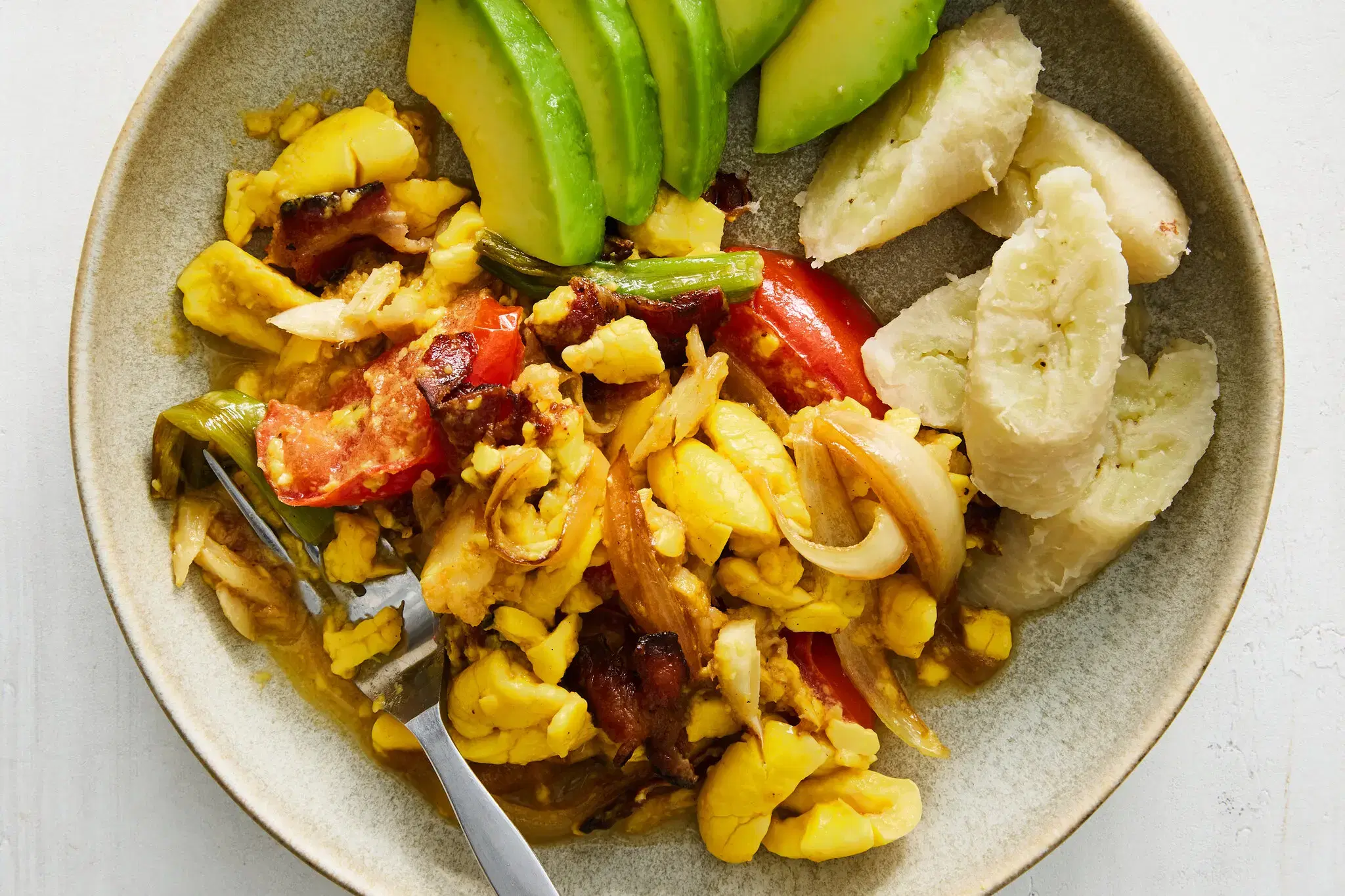
Ackee and Saltfish
Jamaica''s national dish — creamy ackee fruit sautéed with salted cod.

Asian Chicken Lettuce Wraps
Asian chicken lettuce wraps with savory ground chicken, water chestnuts, and hoisin in butter lettuce.

Baked Cod with Lemon and Dill
Baked cod with lemon, garlic, and fresh dill — light, flaky, and ready in 20 minutes.

Bacalhau à Brás (Portuguese Salt Cod)
Shredded salt cod with crispy potatoes, scrambled eggs, and olives — Portugal's beloved comfort dish.