mains · seafood
Hawaiian Poke Bowl
Fresh ahi tuna cubed and tossed in soy-sesame marinade over rice with avocado and seaweed — Hawaii's iconic dish.

Nutrition (per serving)
480
Calories
32g
Protein
48g
Carbs
18g
Fat
4g
Fiber
Ingredients
For the poke marinade:
For the bowl:
Method
-
Prepare the sushi rice by cooking 1 cup dry sushi rice according to package directions. While still warm, fold in 2 tbsp rice vinegar, 1 tsp sugar, and 1/2 tsp salt. Fan the rice as you fold to cool it and give it a glossy sheen. Set aside.
-
Cut the tuna into uniform 3/4-inch cubes using a very sharp knife. Clean cuts matter — a dull knife crushes the fish cells and makes the texture mushy. Cut with single, decisive strokes rather than sawing back and forth.
-
Make the poke by gently tossing the tuna cubes with soy sauce, sesame oil, rice vinegar, sriracha, ginger, scallions, and sesame seeds in a bowl. Let marinate for 10-15 minutes in the refrigerator. The marinade should lightly coat each cube — not pool at the bottom of the bowl.
-
Build the bowls by dividing the seasoned rice between 2 bowls. Arrange the marinated tuna on one side of the rice. Add sliced avocado, cucumber, edamame, and seaweed salad in sections around the bowl. The visual presentation matters — poke bowls are as much about the look as the taste.
-
Garnish with pickled ginger, extra sesame seeds, and a generous sprinkle of furikake seasoning. Drizzle any remaining marinade from the bowl over the tuna.
-
Serve immediately — poke is best eaten within 30 minutes of assembly. The rice should be room temperature (not cold), the tuna should be cold, and the avocado should be fresh. In Hawaii, poke is everyday food — it's sold at grocery store deli counters and gas stations. Don't overthink it.
Equipment
- Sharp knife and cutting board Recommended: Victorinox Fibrox Pro 8in Chef's Knife
- Mixing bowls Recommended: Vollrath Stainless Steel Mixing Bowls Set
Chef Notes
- The most important thing: Use sushi-grade tuna. Poke is raw fish — the quality of the tuna is everything. Buy from a fishmonger you trust, and ask specifically for sushi-grade or sashimi-grade ahi. If the fish doesn't smell clean and oceanic, don't use it raw.
- Cut the tuna into uniform 3/4-inch cubes. Uniform size ensures every piece marinates evenly and gives you a consistent texture in each bite.
- Marinate for only 10-15 minutes. The soy sauce and sesame oil should season the surface without curing the fish. Over-marinating makes the tuna salty and changes the texture.
- Season the rice. Plain white rice under poke is a missed opportunity. Toss the warm rice with rice vinegar, a pinch of sugar, and salt — sushi rice style. The seasoned rice ties the whole bowl together.
- Poke is Hawaiian, not Japanese. While it shares ingredients with sashimi, poke is a distinct Hawaiian tradition with Polynesian roots. The soy-sesame version is the most popular mainland style, but traditional Hawaiian poke uses sea salt, limu (seaweed), and kukui nut.
Common Substitutions
| Ingredient | Substitution | Notes |
|---|---|---|
| Ahi tuna | Sushi-grade salmon or yellowtail | Both work beautifully — salmon is richer, yellowtail is buttery |
| Sushi rice | Brown rice or quinoa | Different texture — season the same way with vinegar and sugar |
| Sesame oil | Chili oil or truffle oil | Changes the flavor profile — chili oil adds heat, truffle adds luxury |
| Fresh avocado | Mango slices | Traditional Hawaiian variation — adds tropical sweetness |
| Seaweed salad | Crumbled nori sheets | Less complex but adds the oceanic element |
What You're Practicing
Poke teaches you how to work with raw fish — selecting quality, cutting cleanly, and marinating briefly. These same skills apply to sashimi, ceviche, tartare, and crudo. Understanding how to handle raw protein safely and confidently opens up an entire category of cooking that most home cooks avoid. Visit Techniques for more on raw fish preparation.
The bowl construction teaches you about composing a balanced meal from contrasting elements: rich (avocado, sesame oil), fresh (cucumber, pickled ginger), starchy (rice), protein (tuna), and umami (soy, seaweed). This same compositional thinking drives Korean bibimbap, Japanese donburi, and Mexican burrito bowls.
Video Resources
Some equipment and ingredient links are affiliate links. We earn a small commission at no extra cost to you. Learn more
Comments (0)
Sign in to commentNo comments yet. Be the first to share your thoughts.
Frequently Asked Questions
- Can I make Hawaiian Poke Bowl ahead of time?
- Yes — prep the components up to a day ahead and store covered in the refrigerator. Reheat gently or bring to room temperature before serving.
- How do I store leftover Hawaiian Poke Bowl?
- Store in an airtight container in the refrigerator for 3-4 days. Reheat gently over medium-low heat, adding a splash of broth or water to prevent drying out.
- Can I freeze Hawaiian Poke Bowl?
- Yes — most cooked mains freeze well for up to 3 months. Cool completely, store in freezer-safe containers, and thaw overnight in the refrigerator before reheating.
- How many servings does this recipe make?
- This recipe serves 2. You can scale the ingredients up or down proportionally — use the Meal Plan servings slider to adjust the grocery list automatically.
- Is Hawaiian Poke Bowl a quick recipe?
- Yes — this recipe is ready in 20 minutes including prep time, making it perfect for busy weeknights.
- Is Hawaiian Poke Bowl dairy free and high protein?
- Yes — this recipe is dairy free and high protein. Check the Common Substitutions section for additional dietary adaptations.
- What substitutions can I make for Hawaiian Poke Bowl?
- See the Common Substitutions section above for ingredient and equipment swaps with specific trade-off notes for each alternative.
You Might Also Like
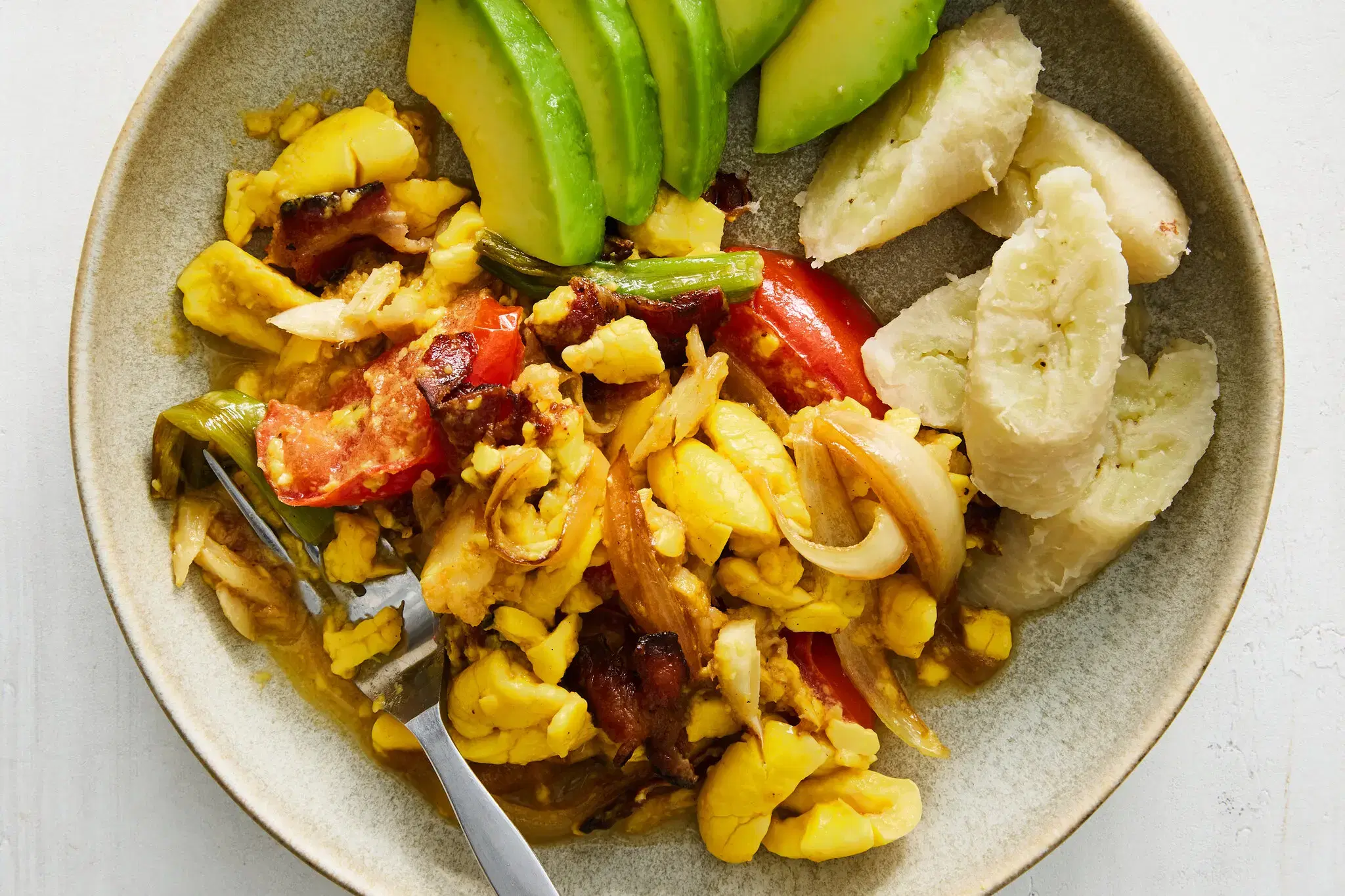
Ackee and Saltfish
Jamaica''s national dish — creamy ackee fruit sautéed with salted cod.

Bacalhau à Brás (Portuguese Salt Cod)
Shredded salt cod with crispy potatoes, scrambled eggs, and olives — Portugal's beloved comfort dish.

Baked Cod with Lemon and Dill
Baked cod with lemon, garlic, and fresh dill — light, flaky, and ready in 20 minutes.
Baja-Style Fish Tacos (Tilapia)
Baja-Style Fish Tacos (Tilapia) — a Mexican main dish Ready in 30 minutes. Perfect for weeknight cooking. Quick and easy.