mains · plant-based
Miso Soup
The essential Japanese soup — dashi broth with dissolved miso, tofu, and wakame.

Nutrition (per serving)
80
Calories
6g
Protein
8g
Carbs
3g
Fat
1g
Fiber
Ingredients
Method
-
Prepare the dashi. If using dashi powder, dissolve 1 tablespoon in 4 cups of hot water. If making from scratch: soak a 4-inch piece of kombu in 4 cups cold water for 30 minutes, then heat to just below boiling. Remove the kombu, add 1 cup bonito flakes, steep for 5 minutes, and strain. Either method produces the umami-rich broth that defines miso soup.
-
Heat the dashi in a saucepan over medium heat until it reaches a gentle simmer. If using dried wakame, add it now — it rehydrates in 2 minutes and expands significantly (a little goes a long way).
-
Add the tofu cubes and warm for 1–2 minutes. Don't stir aggressively — silken tofu breaks apart easily. Gentle heat is all it needs.
-
Dissolve the miso. Remove the pot from heat (or reduce to the lowest setting). Place the miso paste in a ladle, submerge the ladle in the broth, and stir with chopsticks or a small whisk until the miso dissolves into the broth. This prevents clumps and ensures even distribution. The soup should turn cloudy and golden.
-
Serve immediately in small bowls, topped with sliced scallions and nori strips. Miso soup is traditionally served as part of a Japanese meal alongside rice and a protein — not as a standalone dish. It's meant to be sipped between bites.
Equipment
- Saucepan Recommended: Cuisinart Chef's Classic 3-Quart Saucepan
- Ladle Recommended: OXO Good Grips Stainless Steel Ladle
- Fine-mesh strainer (optional, for dissolving miso) Recommended: Winco 8-Inch Stainless Steel Fine Mesh Strainer
Chef Notes
- The most important thing: Never boil miso. Add it to the soup off heat or at a bare simmer. Boiling kills the beneficial probiotics and makes the miso taste flat and one-dimensional instead of complex and savory.
- Dashi is the foundation — it's a Japanese stock made from kombu (kelp) and bonito flakes. Instant dashi powder is perfectly acceptable for miso soup and takes 30 seconds. Find it at any Asian market.
- White miso (shiro) is mild and slightly sweet — the standard for everyday miso soup. Red miso (aka) is stronger and saltier — use it for heartier soups. You can blend both for complexity.
- Dissolve the miso paste in a ladle of hot broth before adding it to the pot. This prevents clumps. Press it through a fine-mesh strainer for the smoothest result.
- Miso soup is a 5-minute dish. Don't overcomplicate it — the beauty is in its simplicity.
Common Substitutions
| Ingredient | Substitution | Notes |
|---|---|---|
| Dashi stock | Vegetable stock + 1 tsp soy sauce | Loses the umami depth of bonito — add a pinch of MSG to compensate |
| White miso | Red miso (use 2 tbsp instead of 3) | Stronger and saltier — reduce the amount |
| Silken tofu | Firm tofu, cubed | Different texture — firm tofu holds its shape better but is less delicate |
| Wakame | Spinach (handful, added at the end) | Different but adds green color and mild flavor |
| Nori | Omit | Purely garnish — the soup works without it |
What You're Practicing
Miso soup teaches you the Japanese concept of umami layering — building savory depth through multiple umami sources (dashi = glutamate from kombu + inosinate from bonito, miso = glutamate from fermentation). This stacking of umami compounds creates a flavor greater than the sum of its parts. The same principle applies to Italian cooking (Parmesan + tomato + anchovy) and Chinese cooking (soy sauce + oyster sauce + dried mushroom). Visit Stocks for more on dashi and umami.
You're also learning temperature sensitivity — the skill of knowing which ingredients can't tolerate high heat. Miso, like yogurt and egg yolks, denatures and loses complexity when boiled. Understanding heat thresholds is a transferable skill for every sauce and soup. Explore more at Techniques.
Video Resources
Some equipment and ingredient links are affiliate links. We earn a small commission at no extra cost to you. Learn more
Comments (0)
Sign in to commentNo comments yet. Be the first to share your thoughts.
Frequently Asked Questions
- Can I make Miso Soup ahead of time?
- Yes — prep the components up to a day ahead and store covered in the refrigerator. Reheat gently or bring to room temperature before serving.
- How do I store leftover Miso Soup?
- Store in an airtight container in the refrigerator for 3-4 days. Reheat gently over medium-low heat, adding a splash of broth or water to prevent drying out.
- Can I freeze Miso Soup?
- Yes — most cooked mains freeze well for up to 3 months. Cool completely, store in freezer-safe containers, and thaw overnight in the refrigerator before reheating.
- How many servings does this recipe make?
- This recipe serves 4. You can scale the ingredients up or down proportionally — use the Meal Plan servings slider to adjust the grocery list automatically.
- Is Miso Soup a quick recipe?
- Yes — this recipe is ready in 10 minutes including prep time, making it perfect for busy weeknights.
- Is Miso Soup dairy free and gluten free and high protein and plant based?
- Yes — this recipe is dairy free and gluten free and high protein and plant based. Check the Common Substitutions section for additional dietary adaptations.
- Is this an authentic Japanese recipe?
- This recipe follows traditional Japanese techniques and ingredients. The Chef Notes section explains any adaptations for home kitchen accessibility and suggests authentic alternatives where substitutions are made.
- What substitutions can I make for Miso Soup?
- See the Common Substitutions section above for ingredient and equipment swaps with specific trade-off notes for each alternative.
You Might Also Like
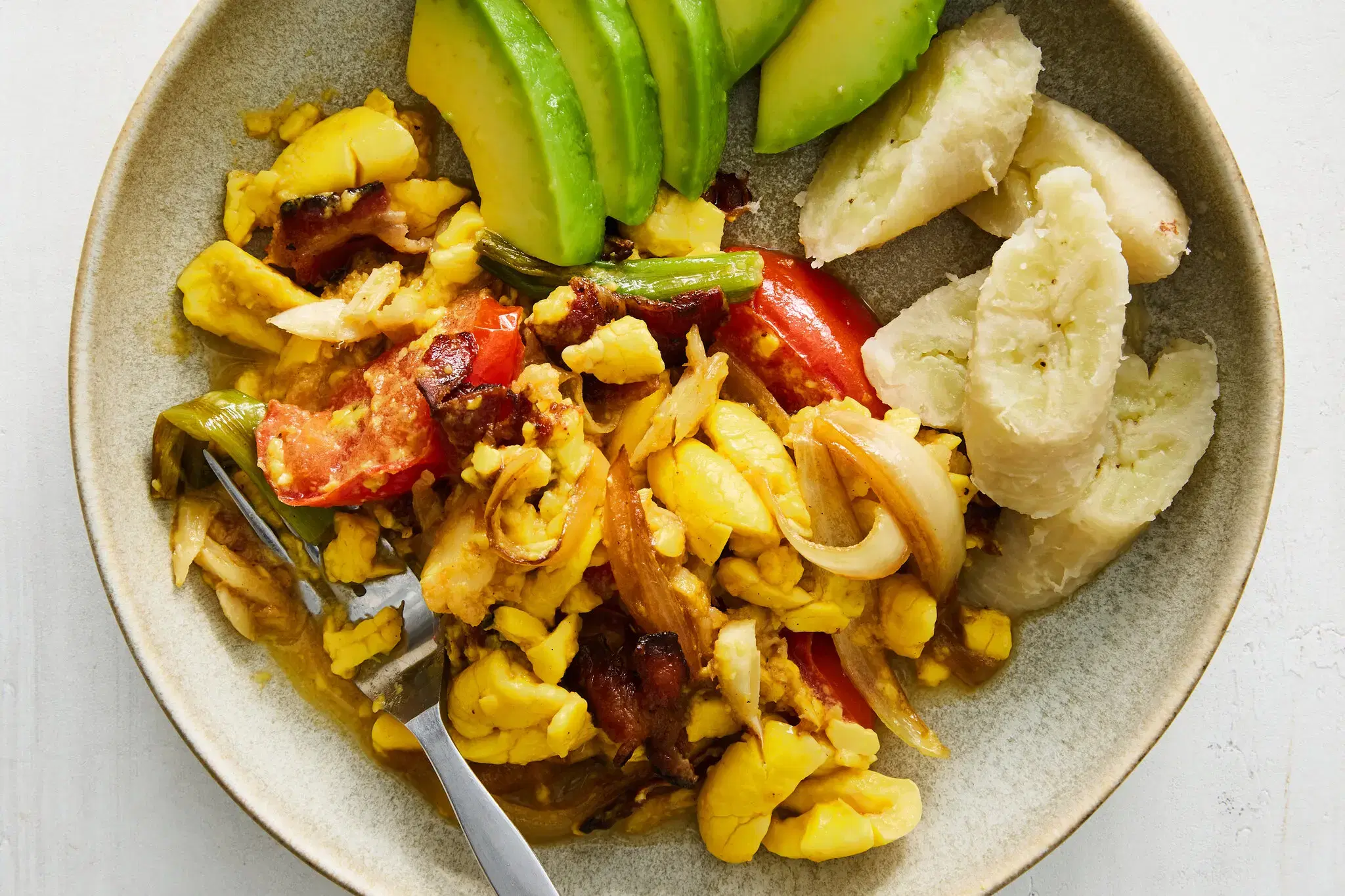
Ackee and Saltfish
Jamaica''s national dish — creamy ackee fruit sautéed with salted cod.

Baked Cod with Lemon and Dill
Baked cod with lemon, garlic, and fresh dill — light, flaky, and ready in 20 minutes.

Asian Chicken Lettuce Wraps
Asian chicken lettuce wraps with savory ground chicken, water chestnuts, and hoisin in butter lettuce.
Baja-Style Fish Tacos (Tilapia)
Baja-Style Fish Tacos (Tilapia) — a Mexican main dish Ready in 30 minutes. Perfect for weeknight cooking. Quick and easy.