mains · chicken
Kung Pao Chicken
Sichuan stir-fried chicken with dried chiles, peanuts, and a sweet-sour-spicy sauce — a Chinese-American classic.

Nutrition (per serving)
380
Calories
30g
Protein
22g
Carbs
18g
Fat
2g
Fiber
Ingredients
For the chicken marinade:
For the kung pao sauce:
For the stir-fry:
Method
-
Velvet the chicken by tossing the cubed thighs with soy sauce, Shaoxing wine, and cornstarch. Let marinate for 15-20 minutes. The cornstarch creates a thin coating that protects the meat from the wok's intense heat, keeping it juicy and tender.
-
Mix the sauce by combining soy sauce, black vinegar, Shaoxing wine, sugar, sesame oil, and the cornstarch slurry in a small bowl. Stir well — the cornstarch settles, so stir again right before adding to the wok.
-
Heat the wok over the highest heat your stove can produce for 2 minutes. Add the oil. When it shimmers, add the dried chiles and Sichuan peppercorns. Stir-fry for 30 seconds until the chiles darken and the peppercorns are fragrant. The oil is now infused with málà flavor — this is the foundation of the dish.
-
Stir-fry the chicken by adding it to the wok in a single layer. Let it sear undisturbed for 1 minute, then toss and cook for 2-3 more minutes until browned and cooked through. The velveted coating should be lightly golden.
-
Add the aromatics — garlic, ginger, and scallion whites. Stir-fry for 30 seconds until fragrant.
-
Add the sauce, stirring the cornstarch slurry one more time before pouring it in. Toss everything together for 30 seconds — the sauce will thicken and glaze the chicken. Add the peanuts and scallion greens. Toss for 15 seconds.
-
Serve immediately over steamed rice. Each bite should have tender chicken, crunchy peanuts, numbing Sichuan peppercorn, and the sweet-sour-spicy sauce. In Sichuan, kung pao is a home-cooking dish — it's fast, bold, and meant to be eaten with plenty of rice to temper the heat.
Equipment
- Wok or large skillet Recommended: Joyce Chen 14-Inch Carbon Steel Wok
- Tongs or wok spatula Also good: Wok Spatula
Chef Notes
- The most important thing: The dried chiles and Sichuan peppercorns go in the oil FIRST, before anything else. They need 30 seconds in hot oil to bloom their flavor and release their numbing, floral compounds. This is the defining step of Sichuan cooking.
- Sichuan peppercorns create a unique numbing sensation (má) that's different from heat (là). The combination of numbing and spicy is called málà — it's the signature of Sichuan cuisine. If you've never experienced it, start with fewer peppercorns.
- Chinese black vinegar (Chinkiang) gives kung pao its distinctive tangy depth. Balsamic vinegar is the closest substitute — rice vinegar is too sharp.
- Velveting the chicken (marinating in soy, wine, and cornstarch) coats the surface with a thin starch layer that keeps the meat juicy during high-heat stir-frying. This technique is used in virtually every Chinese stir-fry.
- The peanuts go in last — they only need 30 seconds in the hot wok to warm through. Adding them earlier makes them soft.
Common Substitutions
| Ingredient | Substitution | Notes |
|---|---|---|
| Chicken thighs | Shrimp or firm tofu | Shrimp: cook 1 min/side. Tofu: press, cube, pan-fry first |
| Sichuan peppercorns | Omit (no true substitute) | The numbing sensation is unique — black pepper is not the same |
| Chinese black vinegar | Balsamic vinegar | Closest in depth and sweetness |
| Shaoxing wine | Dry sherry | Nearly identical flavor |
| Dried red chiles | 1 tsp red pepper flakes | Less dramatic but adds heat |
| Peanuts | Cashews | Common variation — slightly sweeter |
What You're Practicing
Kung pao chicken teaches you the Sichuan stir-fry sequence: bloom aromatics in oil → sear protein → add sauce → finish with garnish. This same sequence drives mapo tofu, twice-cooked pork, and every Sichuan stir-fry. The málà (numbing-spicy) flavor profile is the foundation of Sichuan cuisine. Visit Spice Blends for more on Sichuan flavor building.
Velveting (marinating in cornstarch) is the Chinese technique for keeping stir-fried protein tender. The thin starch coating insulates the meat from the wok's extreme heat, preventing it from seizing and toughening. This same technique applies to beef and broccoli, cashew chicken, and any Chinese stir-fry. See Techniques for more on wok cooking.
Video Resources
Some equipment and ingredient links are affiliate links. We earn a small commission at no extra cost to you. Learn more
Comments (0)
Sign in to commentNo comments yet. Be the first to share your thoughts.
Frequently Asked Questions
- Can I make Kung Pao Chicken ahead of time?
- Yes — prep the components up to a day ahead and store covered in the refrigerator. Reheat gently or bring to room temperature before serving.
- How do I store leftover Kung Pao Chicken?
- Store in an airtight container in the refrigerator for 3-4 days. Reheat gently over medium-low heat, adding a splash of broth or water to prevent drying out.
- Can I freeze Kung Pao Chicken?
- Yes — most cooked mains freeze well for up to 3 months. Cool completely, store in freezer-safe containers, and thaw overnight in the refrigerator before reheating.
- How many servings does this recipe make?
- This recipe serves 4. You can scale the ingredients up or down proportionally — use the Meal Plan servings slider to adjust the grocery list automatically.
- Is Kung Pao Chicken a quick recipe?
- Yes — this recipe is ready in 25 minutes including prep time, making it perfect for busy weeknights.
- Is Kung Pao Chicken dairy free and high protein?
- Yes — this recipe is dairy free and high protein. Check the Common Substitutions section for additional dietary adaptations.
- Is this an authentic Chinese recipe?
- This recipe follows traditional Chinese techniques and ingredients. The Chef Notes section explains any adaptations for home kitchen accessibility and suggests authentic alternatives where substitutions are made.
- What substitutions can I make for Kung Pao Chicken?
- See the Common Substitutions section above for ingredient and equipment swaps with specific trade-off notes for each alternative.
You Might Also Like
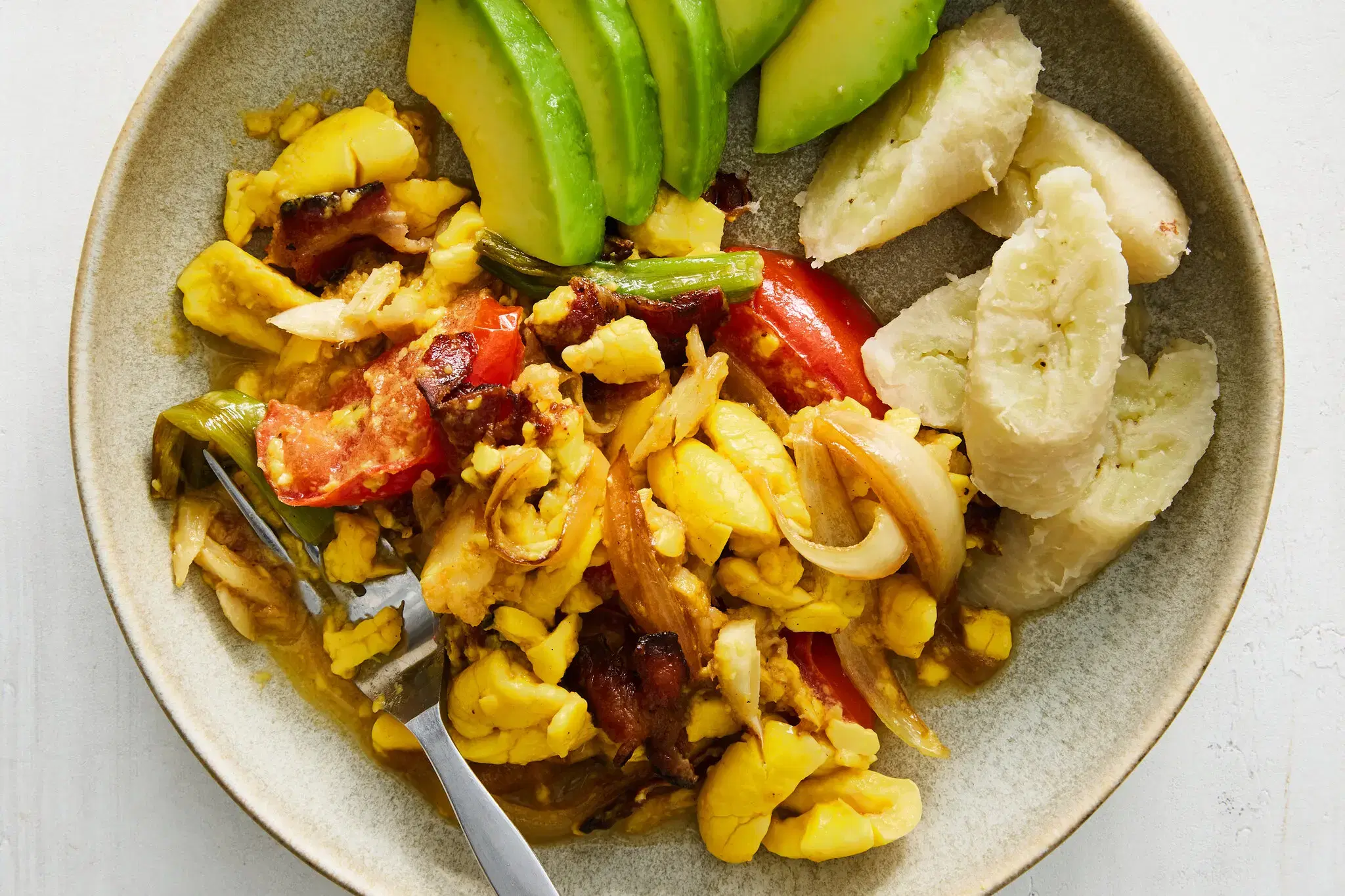
Ackee and Saltfish
Jamaica''s national dish — creamy ackee fruit sautéed with salted cod.

Asian Chicken Lettuce Wraps
Asian chicken lettuce wraps with savory ground chicken, water chestnuts, and hoisin in butter lettuce.

Bacalhau à Brás (Portuguese Salt Cod)
Shredded salt cod with crispy potatoes, scrambled eggs, and olives — Portugal's beloved comfort dish.

Baked Cod with Lemon and Dill
Baked cod with lemon, garlic, and fresh dill — light, flaky, and ready in 20 minutes.