mains · chicken
Nashville Hot Chicken
Crispy fried chicken drenched in cayenne-lard paste — Nashville's fiery signature dish.

Nutrition (per serving)
520
Calories
36g
Protein
28g
Carbs
30g
Fat
2g
Fiber
Ingredients
For the brine:
For the chicken:
For the hot paste:
For serving:
Method
-
Brine the chicken by whisking together the buttermilk, hot sauce, salt, pepper, and garlic powder in a large bowl. Submerge the chicken pieces, cover, and refrigerate for at least 4 hours, ideally overnight. The buttermilk's lactic acid gently breaks down the muscle fibers, making the meat more tender, while the salt penetrates deep into the flesh. This is the foundation of every great fried chicken recipe.
-
Set up the dredging station by mixing the flour, garlic powder, smoked paprika, pepper, and salt in a shallow dish. Remove each piece of chicken from the buttermilk, letting the excess drip off (but don't shake it completely dry — a thin coating of buttermilk helps the flour adhere). Dredge in the seasoned flour, pressing firmly to create a thick, even coating. For extra-crispy chicken, dip back in buttermilk and dredge again (double-dredge).
-
Let the dredged chicken rest on a wire rack for 15 minutes. This crucial step lets the flour hydrate and form a cohesive coating that won't fall off in the fryer. Skip this and you'll have bare spots where the crust slid off.
-
Heat the oil to 325°F in a deep pot or Dutch oven. Use enough oil to submerge the chicken halfway (about 2-3 inches deep). Monitor the temperature with a thermometer — consistent temperature is the most important variable in frying.
-
Fry the chicken in batches (don't crowd the pot) for 12-15 minutes, turning once halfway through. The chicken is done when the internal temperature reaches 165°F and the crust is deep golden brown. The lower frying temperature (325°F vs. the typical 350°F) gives the fat under the skin more time to render, resulting in a crispier crust. Transfer to a wire rack — never paper towels, which trap steam and make the bottom soggy.
-
Make the hot paste while the chicken rests. Carefully ladle 1/4 cup of the hot frying oil into a heat-safe bowl. Whisk in the cayenne, brown sugar, smoked paprika, garlic powder, and black pepper. The mixture should be a thick, fiery-red slurry. The hot oil blooms the cayenne's capsaicin, intensifying the heat and creating that signature Nashville color.
-
Brush the hot paste generously over each piece of fried chicken using a pastry brush. Coat every surface — the paste should soak into the crust, turning it a deep, glistening red. The heat level is adjustable: 2 tbsp cayenne for medium, 3 tbsp for hot, 4+ tbsp for "shut the cluck up" level.
-
Serve immediately on white bread slices with dill pickle chips on top. The bread is traditional — it soaks up the spicy, oily drippings and becomes the best part of the meal. The pickles provide a sharp, vinegary contrast that makes the heat more bearable and the flavors more complex.
Equipment
- Deep pot or Dutch oven for frying Recommended: Lodge 6-Quart Enameled Cast Iron Dutch Oven
- Instant-read thermometer Recommended: ThermoWorks ThermoPop 2
- Wire rack Recommended: Checkered Chef Stainless Steel Wire Rack
- Pastry brush Recommended: OXO Good Grips Silicone Pastry Brush
- Dutch oven Recommended: Lodge 6-Quart Enameled Cast Iron Dutch Oven · Also good: Lodge 6-Quart Enameled Cast Iron Dutch Oven
- Whisk Recommended: OXO Good Grips 11-Inch Balloon Whisk
Chef Notes
- The most important thing: The hot paste is what makes this Nashville hot chicken, not just spicy fried chicken. It's a slurry of cayenne and spices mixed with hot frying oil, brushed onto the chicken after frying. The oil carries the heat deep into the crust and creates that signature glistening, fiery-red coating.
- Buttermilk brine for at least 4 hours, ideally overnight. The acid tenderizes the meat and the salt seasons it throughout. This is the difference between good fried chicken and great fried chicken.
- Fry at 325°F, not 350°F. Lower temperature means longer cooking time, which renders more fat from the skin and creates a crispier crust. The chicken also cooks more evenly — no burnt exterior with raw interior.
- Let the fried chicken rest on a wire rack for 5 minutes before applying the hot paste. This lets the crust set so it doesn't get soggy when you brush on the paste.
- The white bread and pickles aren't optional — they're traditional. The bread soaks up the spicy oil drippings, and the pickles' vinegar cuts through the heat and fat.
Common Substitutions
| Ingredient | Substitution | Notes |
|---|---|---|
| Chicken thighs/drumsticks | Boneless thighs or tenders | Faster cook time (8-10 min) — still excellent with the hot paste |
| Buttermilk | Milk + 1 tbsp vinegar, rest 10 min | Creates a quick buttermilk substitute |
| Lard for frying | Vegetable or peanut oil | Lard adds flavor but oil works fine — peanut oil has the highest smoke point |
| Cayenne pepper | Gochugaru (Korean chili flakes) | Different heat profile — fruity and less sharp |
| White bread | Potato rolls or Hawaiian buns | Equally good at soaking up the spicy drippings |
What You're Practicing
Buttermilk brining is one of the most effective techniques for poultry. The acid tenderizes, the salt seasons, and the dairy proteins help the flour coating adhere during frying. This same technique applies to fried chicken of any style — Southern, Korean, Japanese karaage. Understanding why the brine works (acid + salt + time) means you can adapt it to any recipe. Visit Brines, Cures & Marinades for the complete guide.
The hot paste technique — blooming spices in hot fat — is a fundamental concept that appears across cuisines. Indian tadka (tempering spices in ghee), Sichuan chili oil, and Mexican chile-infused lard all use the same principle: fat carries flavor compounds that water can't dissolve. Once you understand this, you can build heat and flavor into any dish. See Techniques for more on spice blooming.
Video Resources
Some equipment and ingredient links are affiliate links. We earn a small commission at no extra cost to you. Learn more
Comments (0)
Sign in to commentNo comments yet. Be the first to share your thoughts.
Frequently Asked Questions
- Can I make Nashville Hot Chicken ahead of time?
- Yes. overnight.
- How do I store leftover Nashville Hot Chicken?
- Store in an airtight container in the refrigerator for 3-4 days. Reheat gently over medium-low heat, adding a splash of broth or water to prevent drying out.
- Can I freeze Nashville Hot Chicken?
- Yes — most cooked mains freeze well for up to 3 months. Cool completely, store in freezer-safe containers, and thaw overnight in the refrigerator before reheating.
- How many servings does this recipe make?
- This recipe serves 4. You can scale the ingredients up or down proportionally — use the Meal Plan servings slider to adjust the grocery list automatically.
- Is Nashville Hot Chicken high protein?
- Yes — this recipe is high protein. Check the Common Substitutions section for additional dietary adaptations.
- What substitutions can I make for Nashville Hot Chicken?
- See the Common Substitutions section above for ingredient and equipment swaps with specific trade-off notes for each alternative.
You Might Also Like

Bacalhau à Brás (Portuguese Salt Cod)
Shredded salt cod with crispy potatoes, scrambled eggs, and olives — Portugal's beloved comfort dish.
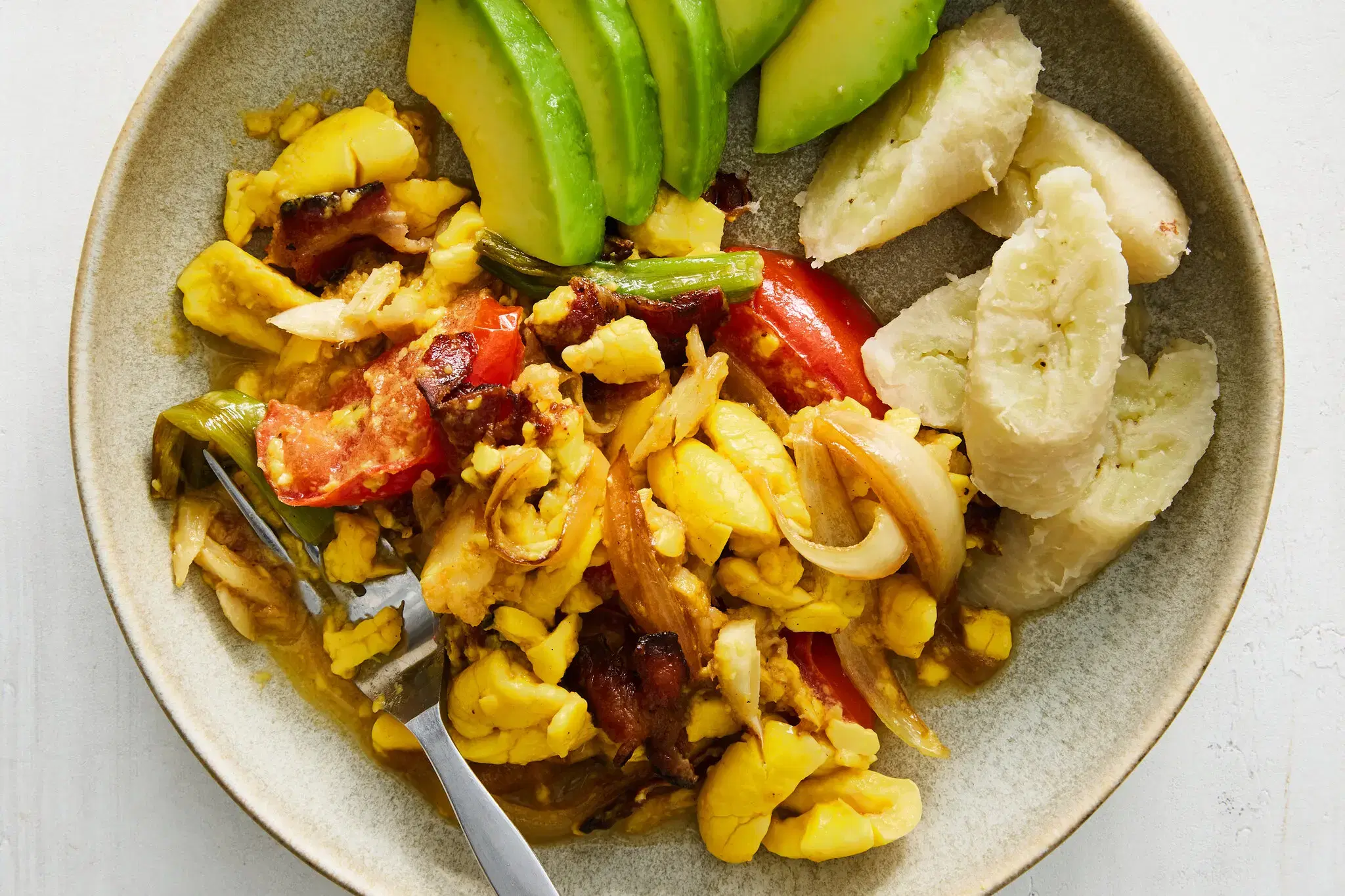
Ackee and Saltfish
Jamaica''s national dish — creamy ackee fruit sautéed with salted cod.

American BBQ Ribs (Oven-to-Grill)
Fall-off-the-bone pork ribs with a spice rub and sticky BBQ glaze — no smoker required.

Australian Meat Pie
Flaky pastry filled with savory beef and gravy — Australia's iconic handheld comfort food.