mains · Eggs
Poached Eggs with Hollandaise on Brioche Toast
Where every culinary journey begins — knife skills, mise en place, and the vegetable techniques that form the foundation of all cooking.

Nutrition (per serving)
380
Calories
30g
Protein
12g
Carbs
22g
Fat
2g
Fiber
Ingredients
Method
-
Make hollandaise first (→ foundation). Keep warm in a thermos or bowl set over barely warm water. Hollandaise waits for nothing — make it, hold it, use it.
-
Prep the poaching water: Fill a wide, deep saucepan with 3" of water. Add vinegar. Bring to a bare simmer (180°F — tiny bubbles clinging to the bottom, no rolling boil). Reduce heat to maintain.
-
Strain the eggs: Crack each egg into a fine-mesh strainer over a bowl. The watery, loose whites drain away — this is the secret to clean, compact poached eggs without wispy tentacles.
-
Poach: Gently swirl the water. Slide eggs in one at a time, spacing them apart. Cook 3–3.5 min for a runny yolk. The whites should be fully set but the yolk should feel soft when gently pressed.
-
Assemble: Toast brioche. Layer Canadian bacon (if using), then poached egg (drained on paper towel). Spoon hollandaise generously over. Garnish with chives, flaky salt, pepper, and a dusting of smoked paprika.
Equipment
- Fine-mesh strainer Recommended: Winco 8-Inch Stainless Steel Fine Mesh Strainer
- Cutting board Recommended: John Boos Maple Edge-Grain Cutting Board 18x12
- Mixing bowls Recommended: Vollrath Stainless Steel Mixing Bowls Set
Chef Notes
- The most important thing: Pull at 140°F internal — it carries over to 145°F during rest. The old 160°F rule is outdated and produces dry pork.
- The liquid should barely simmer — small bubbles around the edges, not a rolling boil. Aggressive boiling toughens delicate proteins.
- This comes together in 25 minutes — have everything prepped before you start cooking. Speed is the technique here.
- Taste as you go and adjust seasoning at the end. Salt levels change as liquids reduce and flavors concentrate.
Common Substitutions
| Ingredient | Substitution | Notes |
|---|---|---|
| Salmon | Trout, arctic char, or steelhead | All are fatty fish with similar cook times. |
| Bacon | Pancetta or turkey bacon | Pancetta is unsmoked. Turkey bacon is leaner. |
| Butter | Ghee or olive oil | Ghee for similar richness. Olive oil for dairy-free. |
| Bread | Gluten-free bread or lettuce wraps | GF bread varies by brand. Lettuce for low-carb. |
What You're Learning
- Poaching: the gentlest cooking method. Temperature control is everything — too hot and the whites shred.
- The strainer trick eliminates the #1 cause of ugly poached eggs (loose whites)
- Hollandaise is your first emulsified butter sauce — the same technique returns in Ch.03 as béarnaise
- Timing: hollandaise must be ready before you poach. This is your first exercise in multi-component coordination.
- Fresh eggs poach better because the whites are thicker and more cohesive
Foundations Referenced
The Science
Egg whites begin to coagulate at 144°F and are fully set by 158°F. The yolk sets at a higher temperature (around 158–170°F). By poaching at 180°F, the whites set quickly while the yolk, insulated in the center, stays runny. Vinegar lowers the pH of the water, which causes the egg white proteins to denature (coagulate) faster, helping them set before they can spread.
What You're Practicing
Consistent knife cuts aren't just aesthetic — they ensure even cooking, even seasoning, and a professional result. The precision practiced here applies to every dish you'll ever make. Visit Techniques for the complete knife skills guide.
Poaching teaches gentle heat control — maintaining a liquid at just below a simmer, where small bubbles barely break the surface. This delicate technique preserves the texture of eggs, fish, and fruit that aggressive heat would destroy. Visit Techniques for more on gentle cooking methods.
Some equipment and ingredient links are affiliate links. We earn a small commission at no extra cost to you. Learn more
Comments (0)
Sign in to commentNo comments yet. Be the first to share your thoughts.
Frequently Asked Questions
- Can I make Poached Eggs with Hollandaise on Brioche Toast ahead of time?
- Yes — prep the components up to a day ahead and store covered in the refrigerator. Reheat gently or bring to room temperature before serving.
- How do I store leftover Poached Eggs with Hollandaise on Brioche Toast?
- Store in an airtight container in the refrigerator for 3-4 days. Reheat gently over medium-low heat, adding a splash of broth or water to prevent drying out.
- Can I freeze Poached Eggs with Hollandaise on Brioche Toast?
- Yes — most cooked mains freeze well for up to 3 months. Cool completely, store in freezer-safe containers, and thaw overnight in the refrigerator before reheating.
- How many servings does this recipe make?
- This recipe serves 4. You can scale the ingredients up or down proportionally — use the Meal Plan servings slider to adjust the grocery list automatically.
- Is Poached Eggs with Hollandaise on Brioche Toast a quick recipe?
- Yes — this recipe is ready in 25 minutes including prep time, making it perfect for busy weeknights.
- Is Poached Eggs with Hollandaise on Brioche Toast dairy free and gluten free and high protein and keto?
- Yes — this recipe is dairy free and gluten free and high protein and keto. Check the Common Substitutions section for additional dietary adaptations.
- Is this an authentic French recipe?
- This recipe follows traditional French techniques and ingredients. The Chef Notes section explains any adaptations for home kitchen accessibility and suggests authentic alternatives where substitutions are made.
- What substitutions can I make for Poached Eggs with Hollandaise on Brioche Toast?
- See the Common Substitutions section above for ingredient and equipment swaps with specific trade-off notes for each alternative.
You Might Also Like
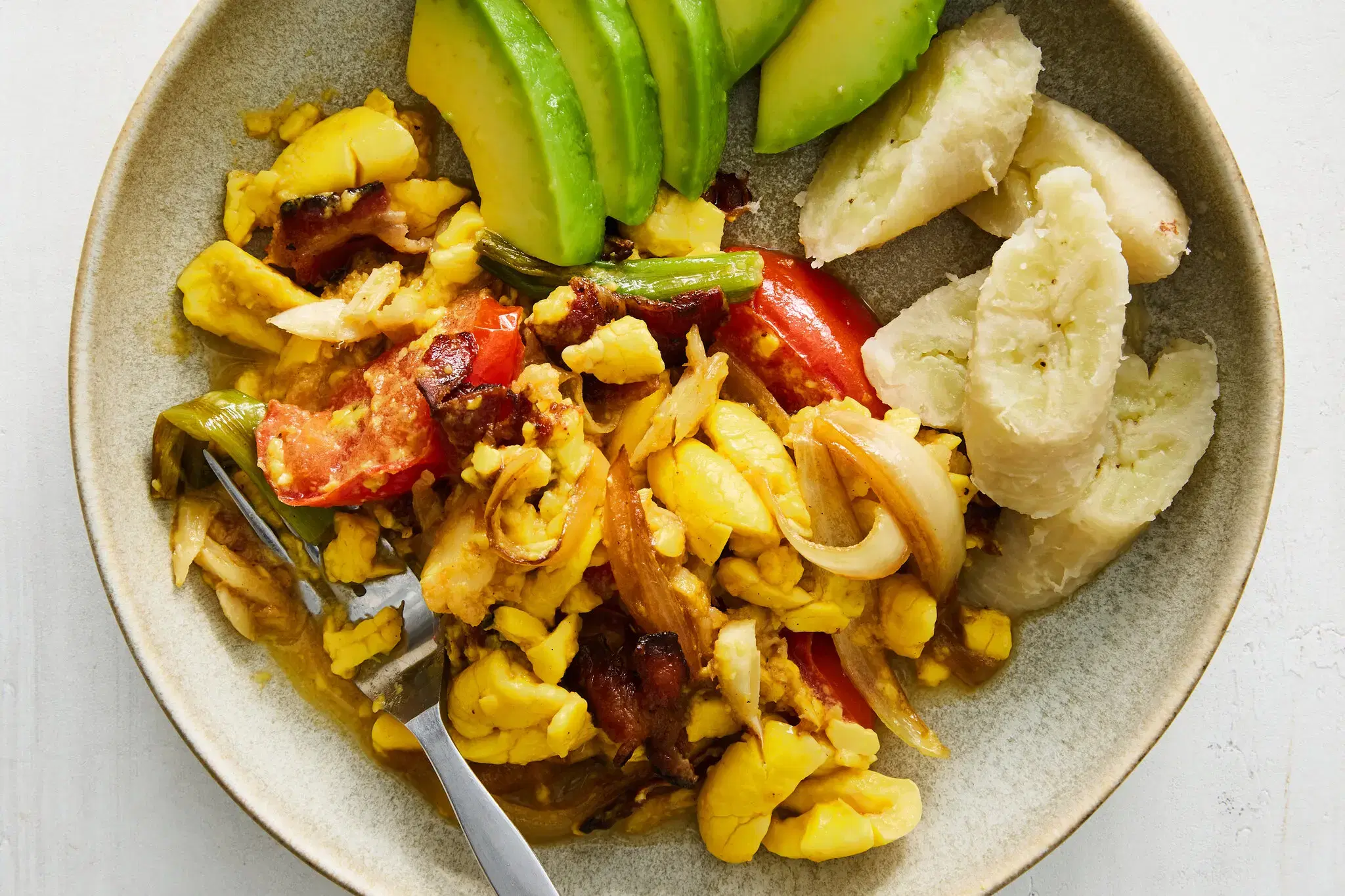
Ackee and Saltfish
Jamaica''s national dish — creamy ackee fruit sautéed with salted cod.

Baked Cod with Lemon and Dill
Baked cod with lemon, garlic, and fresh dill — light, flaky, and ready in 20 minutes.

Asian Chicken Lettuce Wraps
Asian chicken lettuce wraps with savory ground chicken, water chestnuts, and hoisin in butter lettuce.

Argentine Steak with Chimichurri
Grilled ribeye with Argentina's iconic chimichurri — raw herb sauce with red wine vinegar and garlic.