mains · salmon
Salmon Poke Bowl
Salmon poke bowl with sushi-grade fish, soy-sesame marinade, avocado, and seasoned rice.

Nutrition (per serving)
520
Calories
32g
Protein
50g
Carbs
22g
Fat
6g
Fiber
Ingredients
For the poke:
For the bowls:
For topping:
Method
-
Marinate the salmon by tossing the cubed fish gently with soy sauce, sesame oil, rice vinegar, and grated ginger in a bowl. Let it sit for 10 minutes while you prep the other components. The marinade lightly seasons the surface — the soy adds salt and umami, the sesame oil adds nuttiness, and the ginger adds a subtle warmth. Don't over-marinate; the acid in the vinegar will start to denature the proteins on the surface.
-
Season the sushi rice while it's still warm: fold in 2 tbsp rice vinegar and 1 tsp sugar per cup of cooked rice. Use a cutting motion with a spatula (don't stir — you'll crush the grains). Fan the rice as you fold to cool it and give it a glossy sheen. Properly seasoned sushi rice is the foundation of any good poke bowl.
-
Prep the toppings: slice the avocado, cut the cucumber, and have the edamame, pickled ginger, and seaweed salad ready. Poke bowls are about variety and contrast — each topping adds a different texture, temperature, or flavor.
-
Build the bowls: divide the seasoned rice between 2 bowls. Arrange the marinated salmon on one side. Fan the avocado slices next to it. Add cucumber, edamame, pickled ginger, and seaweed salad in separate sections around the bowl.
-
Top with sesame seeds, scallions, sriracha mayo, and furikake. The sriracha mayo adds creamy heat, the sesame seeds add crunch, and the furikake (if you have it) adds a savory, seaweed-y umami that ties everything together.
Equipment
- Sharp knife and cutting board Recommended: Victorinox Fibrox Pro 8in Chef's Knife
- Mixing bowl Recommended: Vollrath Stainless Steel Mixing Bowl
- Rice cooker or pot Recommended: Zojirushi 5.5-Cup Rice Cooker
Chef Notes
- The most important thing: Only use sushi-grade salmon for this recipe. Sushi-grade means the fish has been flash-frozen to kill parasites, making it safe to eat raw. Regular salmon from the fish counter is not the same — ask specifically for sushi-grade or sashimi-grade.
- Cut the salmon into clean, even cubes. A sharp knife and a single decisive cut per piece gives you clean edges. Sawing back and forth shreds the fish.
- The soy-sesame marinade lightly seasons the surface of the fish — 10 minutes is enough. Don't marinate longer than 20 minutes or the soy sauce starts to "cook" the surface like a ceviche, changing the texture.
- Season the sushi rice properly. Plain rice under poke is bland. A splash of rice vinegar and a pinch of sugar while the rice is still warm transforms it.
- Assemble the bowls right before serving. The avocado oxidizes, the rice dries out, and the fish warms up — poke bowls don't hold.
Common Substitutions
| Ingredient | Substitution | Notes |
|---|---|---|
| Salmon | Trout, arctic char, or steelhead | All are fatty fish with similar cook times. |
| Soy sauce | Tamari or coconut aminos | Tamari is gluten-free. Coconut aminos are lower sodium. |
| Rice vinegar | White wine vinegar or apple cider vinegar | Both are milder than distilled white. |
What You're Practicing
Working with raw fish teaches you about ingredient quality and food safety. Understanding what "sushi-grade" means, how to identify fresh fish (firm flesh, clean smell, bright color), and how to cut it cleanly are skills that open up an entire category of cooking — sashimi, crudo, tartare, and ceviche. Visit Techniques for more on raw fish preparation.
Composing a poke bowl teaches you the same plating principles as any composed dish: balance of color, texture, temperature, and flavor. Warm rice, cold fish, creamy avocado, crunchy edamame, tangy pickled ginger — each element plays a role. This framework applies to grain bowls, bibimbap, and any dish where components are arranged rather than mixed.
Some equipment and ingredient links are affiliate links. We earn a small commission at no extra cost to you. Learn more
Comments (0)
Sign in to commentNo comments yet. Be the first to share your thoughts.
Frequently Asked Questions
- Can I make Salmon Poke Bowl ahead of time?
- Yes — prep the components up to a day ahead and store covered in the refrigerator. Reheat gently or bring to room temperature before serving.
- How do I store leftover Salmon Poke Bowl?
- Store in an airtight container in the refrigerator for 3-4 days. Reheat gently over medium-low heat, adding a splash of broth or water to prevent drying out.
- Can I freeze Salmon Poke Bowl?
- Yes — most cooked mains freeze well for up to 3 months. Cool completely, store in freezer-safe containers, and thaw overnight in the refrigerator before reheating.
- How many servings does this recipe make?
- This recipe serves 2. You can scale the ingredients up or down proportionally — use the Meal Plan servings slider to adjust the grocery list automatically.
- Is Salmon Poke Bowl a quick recipe?
- Yes — this recipe is ready in 20 minutes including prep time, making it perfect for busy weeknights.
- Is Salmon Poke Bowl dairy free and high protein?
- Yes — this recipe is dairy free and high protein. Check the Common Substitutions section for additional dietary adaptations.
- Is this an authentic Hawaiian recipe?
- This recipe follows traditional Hawaiian techniques and ingredients. The Chef Notes section explains any adaptations for home kitchen accessibility and suggests authentic alternatives where substitutions are made.
- What substitutions can I make for Salmon Poke Bowl?
- See the Common Substitutions section above for ingredient and equipment swaps with specific trade-off notes for each alternative.
You Might Also Like
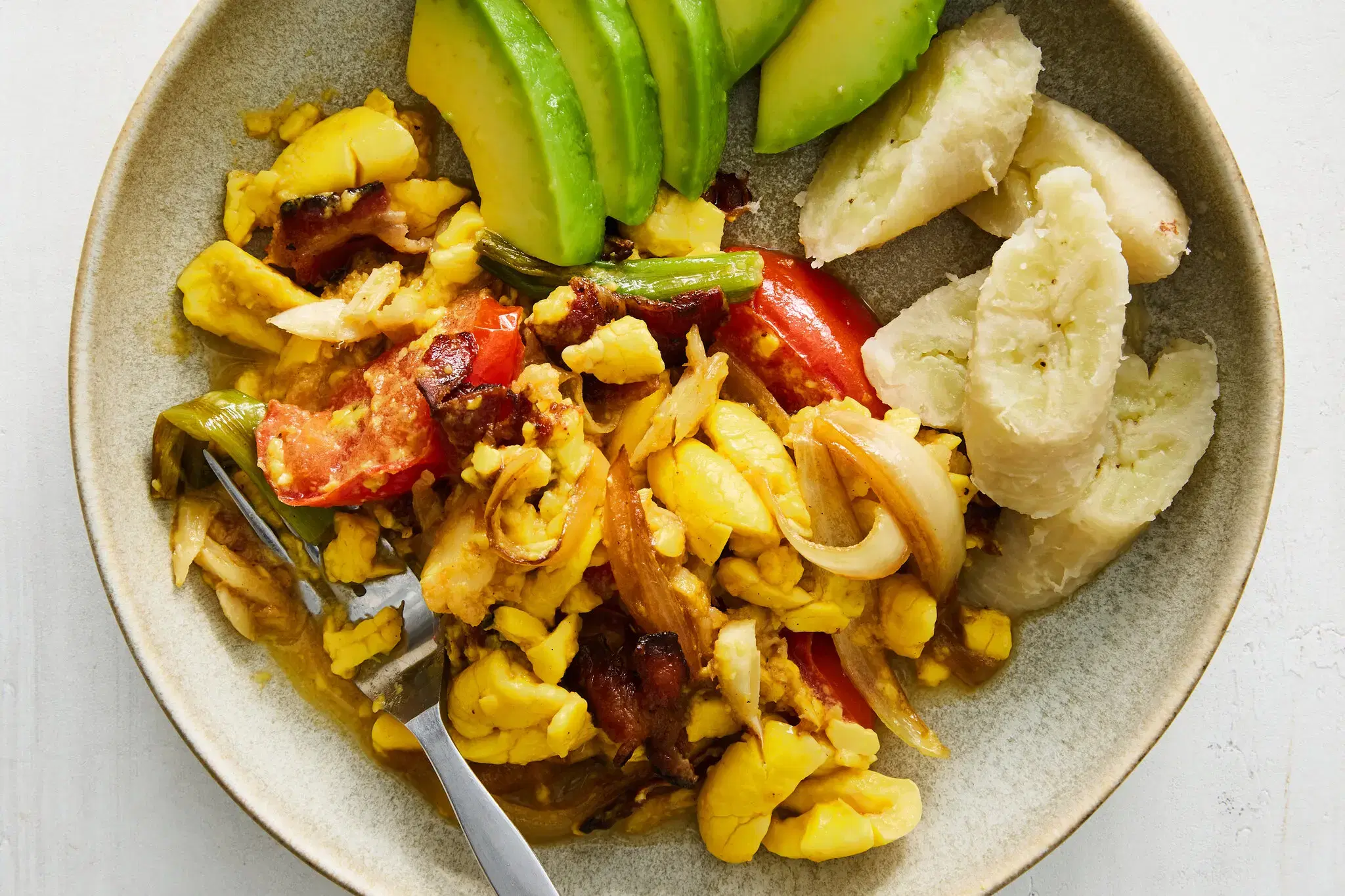
Ackee and Saltfish
Jamaica''s national dish — creamy ackee fruit sautéed with salted cod.

Bacalhau à Brás (Portuguese Salt Cod)
Shredded salt cod with crispy potatoes, scrambled eggs, and olives — Portugal's beloved comfort dish.

Baked Cod with Lemon and Dill
Baked cod with lemon, garlic, and fresh dill — light, flaky, and ready in 20 minutes.
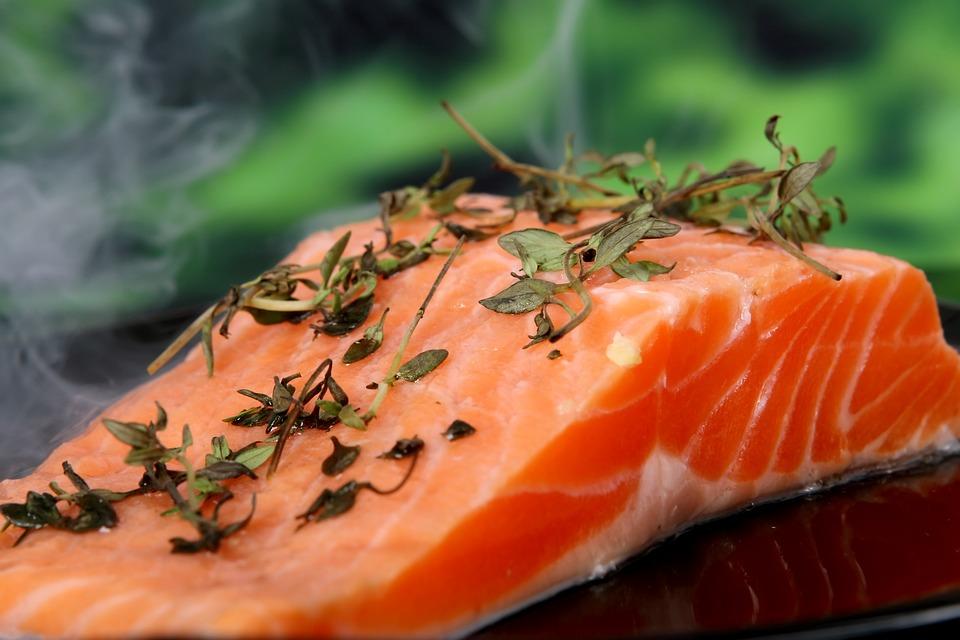
Baked Salmon with Dijon-Herb Crust
Baked Salmon with Dijon-Herb Crust — a main dish Ready in 25 minutes. Perfect for weeknight cooking. Quick and easy.