mains · salmon
Salmon Teriyaki Bowl
Salmon teriyaki bowl with glazed fillets over rice, edamame, avocado, and pickled ginger.

Nutrition (per serving)
480
Calories
35g
Protein
48g
Carbs
16g
Fat
4g
Fiber
Ingredients
For the salmon:
For the teriyaki glaze:
For the bowls:
Method
-
Mix the teriyaki glaze in a small bowl: soy sauce, mirin, honey, and grated ginger. Stir until the honey dissolves. This is a simplified tare — the base glaze used in Japanese yakitori and teriyaki. The balance of salty, sweet, and aromatic creates a sauce that enhances the salmon's natural richness.
-
Season the salmon fillets with salt and pepper. Heat oil in a large skillet over medium heat. Place the salmon skin-side down and cook for 5–6 minutes without moving. The skin should crisp and release naturally from the pan. Starting at medium heat (not high) renders the subcutaneous fat slowly, which crisps the skin without burning it.
-
Flip the salmon and cook flesh-side down for 2 minutes. The flesh side needs much less time — you're just setting the surface, not cooking it through. The center should still be slightly translucent for medium doneness (130–135°F).
-
Pour the teriyaki glaze into the pan around the salmon. It will bubble immediately. Reduce heat to medium-low and simmer for 2–3 minutes, spooning the glaze over the fillets repeatedly. The sauce reduces into a thick, glossy coating. The sugars caramelize on the salmon's surface, creating that signature lacquered look.
-
Build the bowls: divide rice among 4 bowls. Place a glazed salmon fillet on each. Arrange edamame, sliced avocado, and pickled ginger around the salmon. Drizzle any remaining glaze from the pan over the top.
-
Garnish with sesame seeds and scallions. The finished bowl should have warm salmon, cool avocado, tangy pickled ginger, and nutty sesame — a range of temperatures, textures, and flavors in every bite.
Equipment
- Large non-stick or well-seasoned skillet (12-inch) Also good: Tramontina Professional 10-Inch Non Stick Frying Pan
- Small bowl for glaze
- Instant-read thermometer Recommended: ThermoWorks ThermoPop 2
Chef Notes
- The most important thing: Start the salmon skin-side down in a cold-ish pan, then bring the heat up. This renders the fat under the skin slowly and crisps it without overcooking the flesh. Skin-side down for 70% of the cooking time, flesh-side for 30%.
- Salmon is best at medium (130–135°F internal) — still slightly translucent in the center. Overcooked salmon is dry and chalky. If you're nervous about undercooking, use a thermometer.
- The teriyaki glaze reduces in the pan around the salmon. Keep basting — the sugar caramelizes into a lacquered finish that's the hallmark of good teriyaki.
- Build the bowl with intention: rice as the base, salmon as the centerpiece, then arrange the toppings around it. Color contrast and variety make the bowl appealing.
- Mirin is essential for authentic teriyaki. It adds a subtle sweetness and sheen that honey alone can't replicate.
Common Substitutions
| Ingredient | Substitution | Notes |
|---|---|---|
| Salmon | Trout, arctic char, or steelhead | All are fatty fish with similar cook times. |
| White fish (cod, tilapia, halibut) | Any firm white fish | Avoid delicate fish like sole — it falls apart. |
| Soy sauce | Tamari or coconut aminos | Tamari is gluten-free. Coconut aminos are lower sodium. |
| Honey | Maple syrup or agave nectar | Maple adds distinct flavor. Agave is most neutral. |
| Sugar | Coconut sugar or maple syrup | Coconut sugar is 1:1. Maple: reduce liquid slightly. |
| Fresh ginger | Ground ginger (¼ tsp per tbsp fresh) | Ground is more concentrated — use less. |
What You're Practicing
Crispy-skin salmon is a technique that separates confident fish cooks from hesitant ones. The key is patience — starting skin-side down over moderate heat and not touching it until the skin releases naturally. This same approach works for any skin-on fish fillet: snapper, sea bass, trout. Visit Techniques for more on fish searing.
Building a composed bowl teaches you the principles of balanced plating: a starch base, a protein centerpiece, and supporting elements that provide contrast in color, temperature, and texture. This same framework applies to grain bowls, poke bowls, and bibimbap. Visit Pan and Daughter Sauces for more on glaze and reduction techniques.
Some equipment and ingredient links are affiliate links. We earn a small commission at no extra cost to you. Learn more
Comments (0)
Sign in to commentNo comments yet. Be the first to share your thoughts.
Frequently Asked Questions
- Can I make Salmon Teriyaki Bowl ahead of time?
- Yes — prep the components up to a day ahead and store covered in the refrigerator. Reheat gently or bring to room temperature before serving.
- How do I store leftover Salmon Teriyaki Bowl?
- Store in an airtight container in the refrigerator for 3-4 days. Reheat gently over medium-low heat, adding a splash of broth or water to prevent drying out.
- Can I freeze Salmon Teriyaki Bowl?
- Yes — most cooked mains freeze well for up to 3 months. Cool completely, store in freezer-safe containers, and thaw overnight in the refrigerator before reheating.
- How many servings does this recipe make?
- This recipe serves 4. You can scale the ingredients up or down proportionally — use the Meal Plan servings slider to adjust the grocery list automatically.
- Is Salmon Teriyaki Bowl a quick recipe?
- Yes — this recipe is ready in 30 minutes including prep time, making it perfect for busy weeknights.
- Is Salmon Teriyaki Bowl dairy free and high protein?
- Yes — this recipe is dairy free and high protein. Check the Common Substitutions section for additional dietary adaptations.
- Is this an authentic Japanese recipe?
- This recipe follows traditional Japanese techniques and ingredients. The Chef Notes section explains any adaptations for home kitchen accessibility and suggests authentic alternatives where substitutions are made.
- What substitutions can I make for Salmon Teriyaki Bowl?
- See the Common Substitutions section above for ingredient and equipment swaps with specific trade-off notes for each alternative.
You Might Also Like
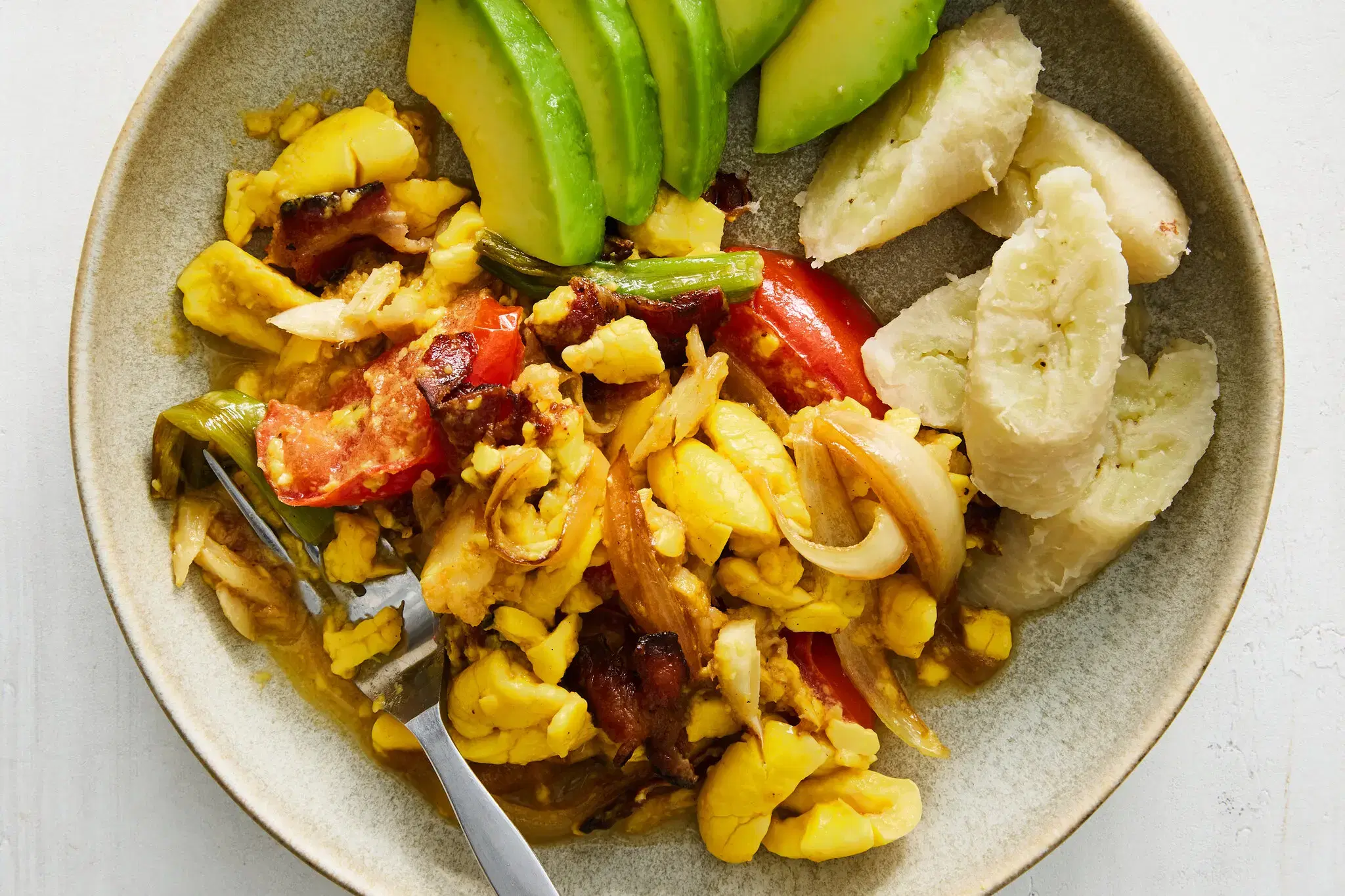
Ackee and Saltfish
Jamaica''s national dish — creamy ackee fruit sautéed with salted cod.

Bacalhau à Brás (Portuguese Salt Cod)
Shredded salt cod with crispy potatoes, scrambled eggs, and olives — Portugal's beloved comfort dish.

Baked Cod with Lemon and Dill
Baked cod with lemon, garlic, and fresh dill — light, flaky, and ready in 20 minutes.

Asian Chicken Lettuce Wraps
Asian chicken lettuce wraps with savory ground chicken, water chestnuts, and hoisin in butter lettuce.