mains · Fish
Sushi Rice and Rolls
A world tour of flavor — mole, jerk, curry, sushi, and the spice profiles that define regional cuisines.

Nutrition (per serving)
320
Calories
30g
Protein
12g
Carbs
16g
Fat
2g
Fiber
Ingredients
For the sushi rice:
For the rolls (makes 4–6 rolls):
Method
-
Cook the sushi rice. Rinse the rice in cold water 4–5 times until the water runs clear — this removes excess surface starch that makes the rice gummy. Cook in a rice cooker with 2 cups water, or in a pot: bring to a boil, reduce to lowest heat, cover, and cook for 15 minutes. Remove from heat and let stand covered for 10 minutes.
-
Season the rice. Combine rice vinegar, sugar, and salt in a small saucepan over low heat, stirring until dissolved. Transfer the hot rice to a wide, shallow bowl (a wooden hangiri is traditional). Pour the vinegar mixture over the rice and fold gently with a rice paddle or spatula using cutting motions — don't stir or the rice turns mushy. Fan the rice while folding to cool it quickly. The rice should be glossy, slightly sticky, and at room temperature.
-
Prepare the fillings. Slice the fish into strips about 1/4 inch thick and 4 inches long. Slice the avocado and cut the cucumber into thin matchsticks. Have everything within arm's reach — once you start rolling, you need to work quickly before the nori absorbs moisture and becomes chewy.
-
Set up the rolling station. Wrap the bamboo mat in plastic wrap (prevents sticking). Place a sheet of nori shiny-side down on the mat. Wet your hands in the vinegar water and spread a thin, even layer of rice over the nori, leaving a 1-inch strip bare at the top edge. Don't press hard — the rice should be about 1/4 inch thick.
-
Add the fillings in a line across the center of the rice. Lay 2–3 strips of fish, a few slices of avocado, and a line of cucumber matchsticks. Don't overfill — too much filling makes the roll impossible to close. Less is more.
-
Roll the sushi. Lift the bottom edge of the mat and fold it over the fillings, tucking the rice edge against the filling with your fingers. Continue rolling forward with gentle, even pressure, using the mat to shape a tight cylinder. When you reach the bare nori strip, moisten it with a finger dipped in water — this seals the roll.
-
Slice with a wet, sharp knife. Wipe the blade with a damp cloth, then cut the roll in half. Place the halves side by side and cut into 6–8 pieces with smooth, single strokes — don't saw. Arrange cut-side up on a plate. Serve with soy sauce, pickled ginger, and wasabi.
Equipment
- Rice cooker or heavy-bottomed pot with lid
- Bamboo sushi rolling mat (makisu)
- Sharp knife Recommended: Victorinox Fibrox Pro 8-Inch Chef's Knife · Also good: Victorinox Fibrox Pro 8-Inch Chef's Knife
- Plastic wrap (to cover the rolling mat)
- Small bowl of vinegar water (for wetting hands)
- Fan or piece of cardboard (for cooling rice)
Chef Notes
- The most important thing: The rice is 80% of sushi. Perfectly seasoned, properly textured rice makes mediocre fish taste great. Bad rice ruins even the best fish. Use Japanese short-grain rice — long-grain doesn't have the right starch content to stick together.
- Sashimi-grade fish is mandatory. "Sashimi-grade" means the fish was frozen to kill parasites (FDA requirement for raw consumption). Buy from a fishmonger you trust, not the regular supermarket fish counter.
- Fan the rice while mixing in the vinegar seasoning. This cools it quickly and gives it the characteristic glossy sheen. Don't refrigerate sushi rice — it hardens. Use it at room temperature within 2 hours.
- Wet your hands before handling the rice. Sushi rice is extremely sticky — dry hands make it impossible to work with. Keep a bowl of water with a splash of rice vinegar next to your workspace.
- Sharp knife, wet blade. Wipe the knife with a damp cloth between every cut. A dry knife drags through the rice and crushes the roll.
Common Substitutions
| Ingredient | Substitution | Notes |
|---|---|---|
| Sashimi-grade fish | Smoked salmon, cooked shrimp, or crab stick | Eliminates raw fish concerns. Smoked salmon is the easiest swap |
| Nori | Soy paper or rice paper | For people who don't like seaweed. Different texture |
| Japanese short-grain rice | Calrose rice | Calrose is widely available and works well. Not long-grain |
| Bamboo rolling mat | Plastic wrap on a kitchen towel | Works in a pinch — less control but functional |
| Wasabi | Sriracha mayo (mix sriracha + mayo 1:1) | Different heat profile but popular in Western sushi |
What You're Practicing
Sushi teaches you precision and restraint — the Japanese culinary philosophy of letting ingredients speak for themselves. Every element requires specific technique: the rice must be seasoned and cooled correctly, the fish must be sliced at the right angle, and the roll must be tight but not crushed. This attention to detail transfers to every aspect of cooking. Visit Techniques for more on Japanese cooking principles.
You're also learning rice mastery — the most important grain skill in Asian cooking. Properly washed, cooked, and seasoned rice is the foundation of sushi, onigiri, donburi, and fried rice. Each application requires different rice treatment, and sushi rice is the most demanding. Explore more at Techniques.
Video Resources
Some equipment and ingredient links are affiliate links. We earn a small commission at no extra cost to you. Learn more
Comments (0)
Sign in to commentNo comments yet. Be the first to share your thoughts.
Frequently Asked Questions
- Can I make Sushi Rice and Rolls ahead of time?
- Yes — prep the components up to a day ahead and store covered in the refrigerator. Reheat gently or bring to room temperature before serving.
- How do I store leftover Sushi Rice and Rolls?
- Store in an airtight container in the refrigerator for 3-4 days. Reheat gently over medium-low heat, adding a splash of broth or water to prevent drying out.
- Can I freeze Sushi Rice and Rolls?
- Yes — most cooked mains freeze well for up to 3 months. Cool completely, store in freezer-safe containers, and thaw overnight in the refrigerator before reheating.
- How many servings does this recipe make?
- This recipe serves 4. You can scale the ingredients up or down proportionally — use the Meal Plan servings slider to adjust the grocery list automatically.
- Is Sushi Rice and Rolls high protein and keto?
- Yes — this recipe is high protein and keto. Check the Common Substitutions section for additional dietary adaptations.
- Is this an authentic Japanese recipe?
- This recipe follows traditional Japanese techniques and ingredients. The Chef Notes section explains any adaptations for home kitchen accessibility and suggests authentic alternatives where substitutions are made.
- What substitutions can I make for Sushi Rice and Rolls?
- See the Common Substitutions section above for ingredient and equipment swaps with specific trade-off notes for each alternative.
You Might Also Like
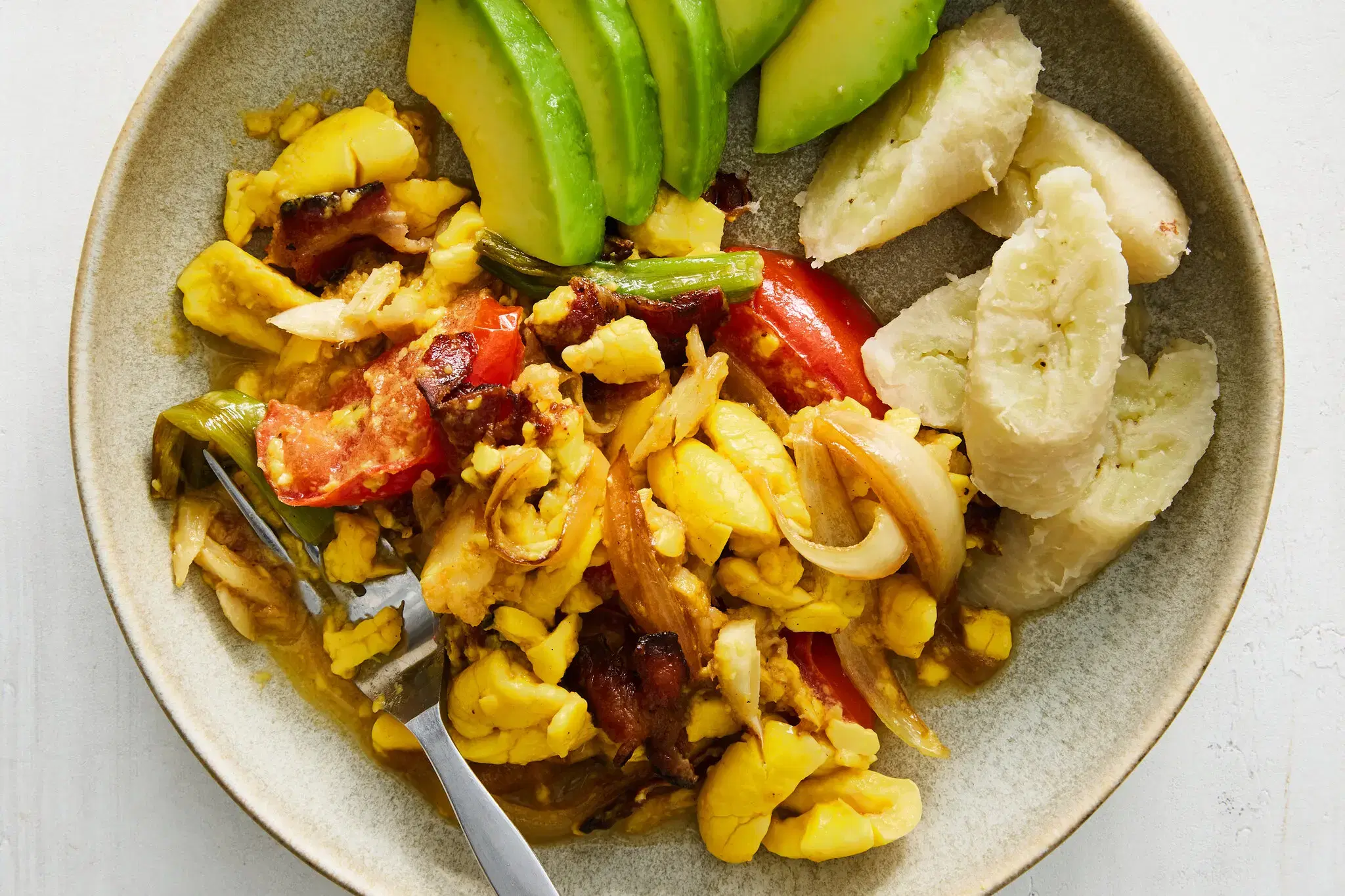
Ackee and Saltfish
Jamaica''s national dish — creamy ackee fruit sautéed with salted cod.
Baja-Style Fish Tacos (Tilapia)
Baja-Style Fish Tacos (Tilapia) — a Mexican main dish Ready in 30 minutes. Perfect for weeknight cooking. Quick and easy.

Baked Cod with Herb Breadcrumbs
Baked Cod with Herb Breadcrumbs — a main dish Ready in 25 minutes. Perfect for weeknight cooking. Quick and easy.

Baked Cod with Lemon and Dill
Baked cod with lemon, garlic, and fresh dill — light, flaky, and ready in 20 minutes.