sides · appetizer
Đồ Chua (Vietnamese Pickled Carrots and Daikon)
Vietnamese pickled carrots and daikon in rice vinegar brine. A 15-minute condiment for banh mi and rice bowls.

Nutrition (per serving)
35
Calories
0g
Protein
8g
Carbs
0g
Fat
1g
Fiber
Ingredients
Method
-
Julienne the carrot and daikon into thin matchsticks, about 1/8 inch thick and 3 inches long. Consistency matters here — uniform cuts ensure even pickling. A mandoline with a julienne attachment is the fastest method, but a sharp knife and steady hand work fine. This knife skill — cutting precise, uniform batons — is foundational to Vietnamese and French cooking alike.
-
Toss the julienned vegetables with 1/2 tsp salt in a bowl and let sit for 10 minutes. The salt draws out moisture through osmosis, which serves two purposes: it wilts the vegetables slightly so they pack into jars more easily, and it removes excess water that would dilute the brine.
-
Make the brine by dissolving the sugar and remaining 1/2 tsp salt in warm water, then adding the rice vinegar. Stir until completely dissolved. The warm water helps the sugar dissolve — don't use hot water, which would cook the vegetables when poured over them.
-
Squeeze the salted vegetables gently to remove excess moisture, then pack them into a clean mason jar or airtight container. Pour the brine over the vegetables — they should be fully submerged. Press down with a spoon if needed.
-
Let sit at room temperature for 30 minutes for a quick pickle, or refrigerate for 4+ hours for deeper flavor. The acid in the vinegar begins breaking down the cell walls immediately, but the flavor exchange between brine and vegetable takes time. After 4 hours, the pickles will be tangy, slightly sweet, and still crunchy.
-
Serve as a condiment alongside banh mi, rice bowls, grilled meats, or any Vietnamese dish. Đồ chua is the bright, acidic counterpoint that balances rich, savory, and fatty flavors — it's the reason a banh mi works as a complete sandwich.
Equipment
- Mandoline or sharp knife Recommended: Victorinox Fibrox Pro 8-Inch Chef's Knife · Also good: Victorinox Fibrox Pro 8-Inch Chef's Knife
- Mason jar or airtight container
- Mixing bowls Recommended: Vollrath Stainless Steel Mixing Bowls Set
Chef Notes
- The most important thing: Cut the vegetables into thin, uniform matchsticks — about 1/8 inch thick and 3 inches long. Thick cuts won't pickle properly in the quick brine. A mandoline with a julienne blade makes this effortless.
- These are ready in 30 minutes but improve dramatically after 4 hours. Make them the night before for best results.
- The brine ratio is 2:1 vinegar to water with sugar and salt. This same ratio works for quick-pickling any crunchy vegetable — radishes, cucumbers, red onion.
- Store in a sealed jar in the refrigerator for up to 3 weeks. The vegetables stay crunchy for the first week, then gradually soften.
- Daikon is available at most Asian grocery stores and many regular supermarkets. If you can't find it, use extra carrot or jicama.
Common Substitutions
| Ingredient | Substitution | Notes |
|---|---|---|
| Daikon radish | Jicama or extra carrot | Jicama stays crunchier; extra carrot is the easiest swap |
| Rice vinegar | Apple cider vinegar | Slightly fruitier but works well |
| Sugar | Honey (2 tbsp) | Adds floral notes; dissolve in warm water first |
What You're Practicing
Quick pickling is one of the most useful techniques in any cook's repertoire. The acid-sugar-salt brine formula here (2:1 vinegar to water, plus sugar and salt) is universal — use it on red onions for tacos, cucumbers for Korean banchan, or radishes for French crudités. Once you understand the ratio, you can pickle anything in 30 minutes. Visit Brines, Cures & Marinades for more on acid-based preservation.
The julienne knife cut practiced here is a fundamental technique that appears across cuisines — from French julienne for soups to Thai green papaya salad to Japanese tsuma garnishes. Precision cutting isn't just aesthetic; it ensures even cooking, even pickling, and consistent texture in every bite.
Video Resources
Some equipment and ingredient links are affiliate links. We earn a small commission at no extra cost to you. Learn more
Comments (0)
Sign in to commentNo comments yet. Be the first to share your thoughts.
Frequently Asked Questions
- Can I make Đồ Chua (Vietnamese Pickled Carrots and Daikon) ahead of time?
- Yes — prep the components up to a day ahead and store covered in the refrigerator. Reheat gently or bring to room temperature before serving.
- How do I store leftover Đồ Chua (Vietnamese Pickled Carrots and Daikon)?
- Store in an airtight container in the refrigerator for 3-4 days. Most sides reheat well in the oven at 350°F for 10-15 minutes.
- Can I freeze Đồ Chua (Vietnamese Pickled Carrots and Daikon)?
- Most cooked sides freeze well for 2-3 months. Soups and stews freeze especially well. Avoid freezing dishes with high dairy content — they can separate when thawed.
- How many servings does this recipe make?
- This recipe serves 8. You can scale the ingredients up or down proportionally — use the Meal Plan servings slider to adjust the grocery list automatically.
- Is Đồ Chua (Vietnamese Pickled Carrots and Daikon) a quick recipe?
- Yes — this recipe is ready in 15 minutes including prep time, making it perfect for busy weeknights.
- Is Đồ Chua (Vietnamese Pickled Carrots and Daikon) vegetarian and vegan and gluten free and dairy free?
- Yes — this recipe is vegetarian and vegan and gluten free and dairy free. Check the Common Substitutions section for additional dietary adaptations.
- Is this an authentic Vietnamese recipe?
- This recipe follows traditional Vietnamese techniques and ingredients. The Chef Notes section explains any adaptations for home kitchen accessibility and suggests authentic alternatives where substitutions are made.
- What substitutions can I make for Đồ Chua (Vietnamese Pickled Carrots and Daikon)?
- See the Common Substitutions section above for ingredient and equipment swaps with specific trade-off notes for each alternative.
You Might Also Like

Baba Ganoush
Baba ganoush with charred eggplant and tahini — smoky, creamy, and deeply savory.

Baked Sweet Potato Fries
Baked sweet potato fries with a cornstarch coating for crispy edges and sriracha mayo for dipping.
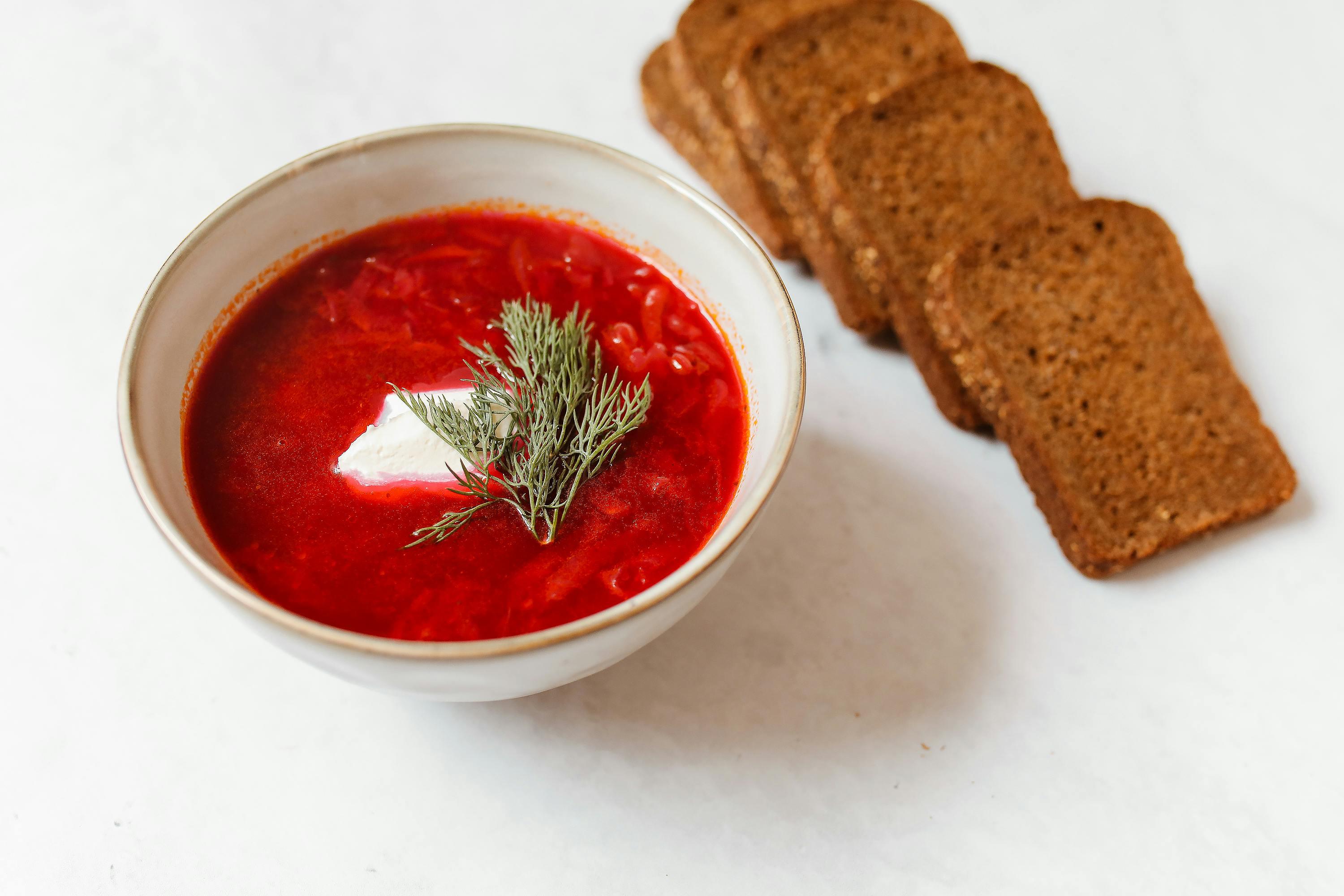
Borscht (Ukrainian Beet Soup)
Ukrainian borscht with beets, cabbage, and a dollop of sour cream. A one-pot comfort soup that feeds a crowd.
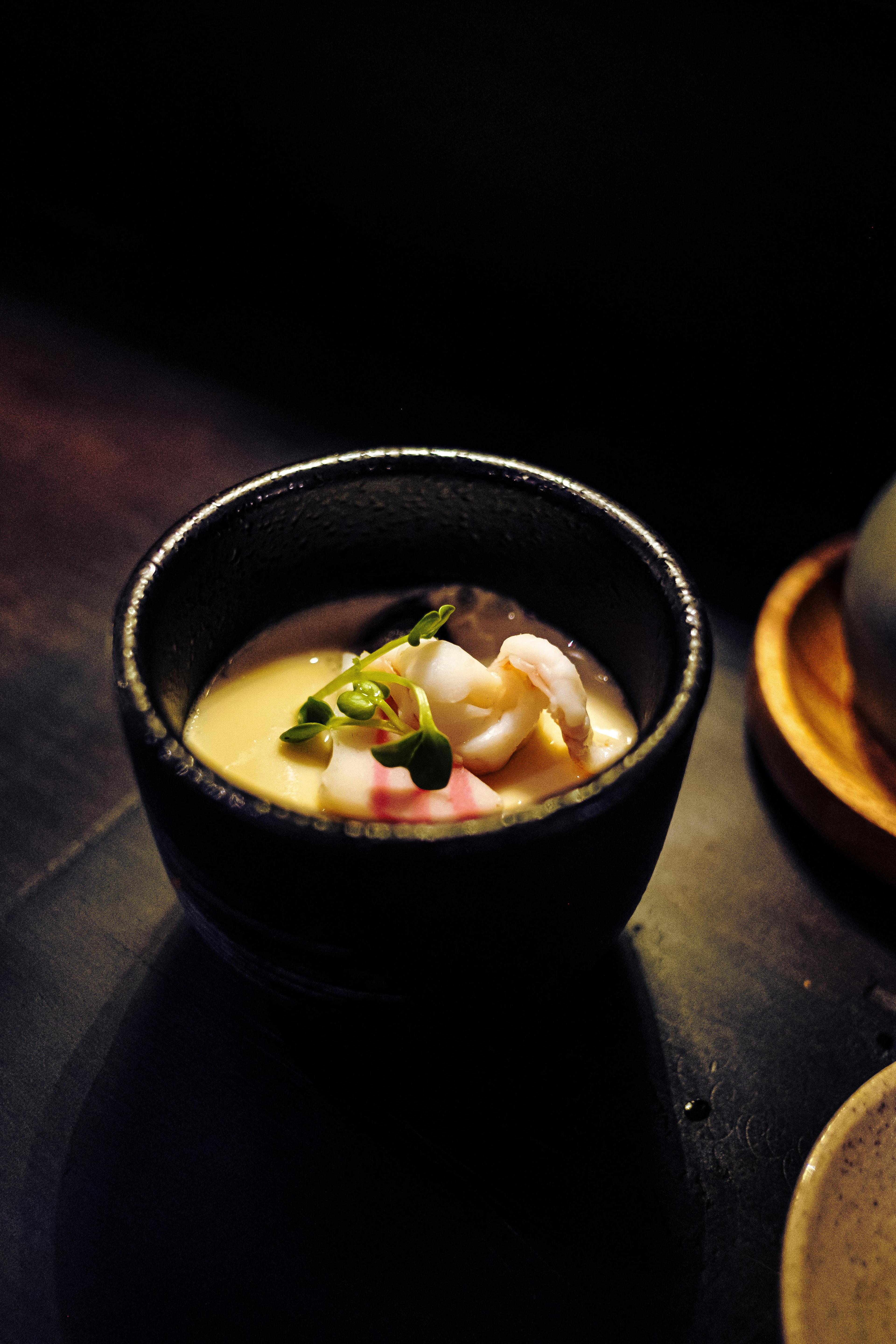
Chawanmushi (Japanese Savory Egg Custard)
Chawanmushi — a silky Japanese steamed egg custard with shrimp, chicken, and mushroom hidden inside.