mains · Seafood
Pan-Roasted Halibut with Brown Butter and Capers
Pan-Roasted Halibut with Brown Butter and Capers — a French main dish Ready in 30 minutes. Quick and easy.

Nutrition (per serving)
340
Calories
28g
Protein
14g
Carbs
18g
Fat
2g
Fiber
Ingredients
Method
-
Season the halibut with salt and pepper. Pat completely dry.
Season generously — underseasoned food is the most common home cooking mistake. You can always add more at the end, but building seasoning in layers produces deeper flavor than a single pass.
-
Sear the fish. Heat oil in a stainless steel skillet over medium-high heat until shimmering. Add halibut fillets presentation-side down. Sear for 4 minutes without moving — a golden crust will form. Flip gently and cook for 2 more minutes. Remove to a plate when the center reaches 130°F.
-
Make the brown butter. Wipe the skillet clean. Add butter over medium heat. It will foam, then the foam will subside. Watch the milk solids on the bottom — they'll turn from white to golden to amber. When the butter smells nutty and the solids are golden brown (about 3 minutes), immediately add the capers.
-
Fry the capers in the brown butter for 30 seconds — they'll sizzle and pop. Remove from heat. Add lemon juice (it will sputter — be careful) and parsley.
Browning develops flavor through the Maillard reaction — the same chemical process that makes toast taste better than bread. It requires high heat and dry surfaces.
-
Spoon the brown butter and crispy capers over the halibut. Serve immediately.
Browning develops flavor through the Maillard reaction — the same chemical process that makes toast taste better than bread. It requires high heat and dry surfaces.
Equipment
- Stainless steel skillet Recommended: Tramontina 12-Inch Tri-Ply Clad Stainless Steel Fry Pan
- Fish spatula Recommended: Dexter-Russell Stainless Steel Fish Turner
- Instant-read thermometer Recommended: ThermoWorks ThermoPop 2
Chef Notes
- The most important thing: Brown butter is butter cooked past the foaming stage until the milk solids turn golden and smell nutty. It takes about 3 minutes over medium heat. The window between brown butter and burnt butter is about 15 seconds — watch it constantly and pull it off heat the moment it smells toasty.
- Pat the halibut completely dry. Halibut is a lean, dense fish — it sears beautifully when dry but steams and turns rubbery when wet.
- Sear on one side only for 4 minutes, then flip and cook for just 2 minutes. Halibut is thick enough to handle a hard sear without overcooking. The carryover heat finishes the center.
- Add the capers to the brown butter — they fry in the hot fat and turn crispy, adding texture and brininess. Fried capers are a revelation if you've only had them soft.
- Halibut is expensive — treat it simply. Brown butter, capers, and lemon is all it needs. Don't bury a premium fish under heavy sauce.
Common Substitutions
| Ingredient | Substitution | Notes |
|---|---|---|
| Halibut | Cod, sea bass, or swordfish | Any thick, firm white fish |
| Brown butter | Regular melted butter | Loses the nutty depth |
| Capers | Chopped cornichons | Different but adds similar acidity |
| Lemon juice | White wine vinegar | Sharper — use 1 tbsp |
| Stainless steel pan | Cast iron | Works well — preheat thoroughly |
What You're Practicing
Halibut with brown butter teaches you beurre noisette — cooking butter until the milk solids caramelize, producing a nutty, complex fat that transforms simple dishes. Brown butter is used in French cooking for fish (meunière), pasta (sage brown butter), pastry (financiers), and vegetables. Visit Pan and Daughter Sauces for the full technique.
You're also learning to fry capers — a simple garnish technique that adds crunch and concentrated brininess. Fried capers, fried shallots, and fried herbs are the finishing touches that elevate restaurant-quality dishes. Explore more at Techniques.
Video Resources
Some equipment and ingredient links are affiliate links. We earn a small commission at no extra cost to you. Learn more
Comments (0)
Sign in to commentNo comments yet. Be the first to share your thoughts.
Frequently Asked Questions
- Can I make Pan-Roasted Halibut with Brown Butter and Capers ahead of time?
- Yes — prep the components up to a day ahead and store covered in the refrigerator. Reheat gently or bring to room temperature before serving.
- How do I store leftover Pan-Roasted Halibut with Brown Butter and Capers?
- Store in an airtight container in the refrigerator for 3-4 days. Reheat gently over medium-low heat, adding a splash of broth or water to prevent drying out.
- Can I freeze Pan-Roasted Halibut with Brown Butter and Capers?
- Yes — most cooked mains freeze well for up to 3 months. Cool completely, store in freezer-safe containers, and thaw overnight in the refrigerator before reheating.
- How many servings does this recipe make?
- This recipe serves 4. You can scale the ingredients up or down proportionally — use the Meal Plan servings slider to adjust the grocery list automatically.
- Is Pan-Roasted Halibut with Brown Butter and Capers a quick recipe?
- Yes — this recipe is ready in 30 minutes including prep time, making it perfect for busy weeknights.
- Is Pan-Roasted Halibut with Brown Butter and Capers gluten free and high protein and keto?
- Yes — this recipe is gluten free and high protein and keto. Check the Common Substitutions section for additional dietary adaptations.
- Is this an authentic French recipe?
- This recipe follows traditional French techniques and ingredients. The Chef Notes section explains any adaptations for home kitchen accessibility and suggests authentic alternatives where substitutions are made.
- What substitutions can I make for Pan-Roasted Halibut with Brown Butter and Capers?
- See the Common Substitutions section above for ingredient and equipment swaps with specific trade-off notes for each alternative.
You Might Also Like
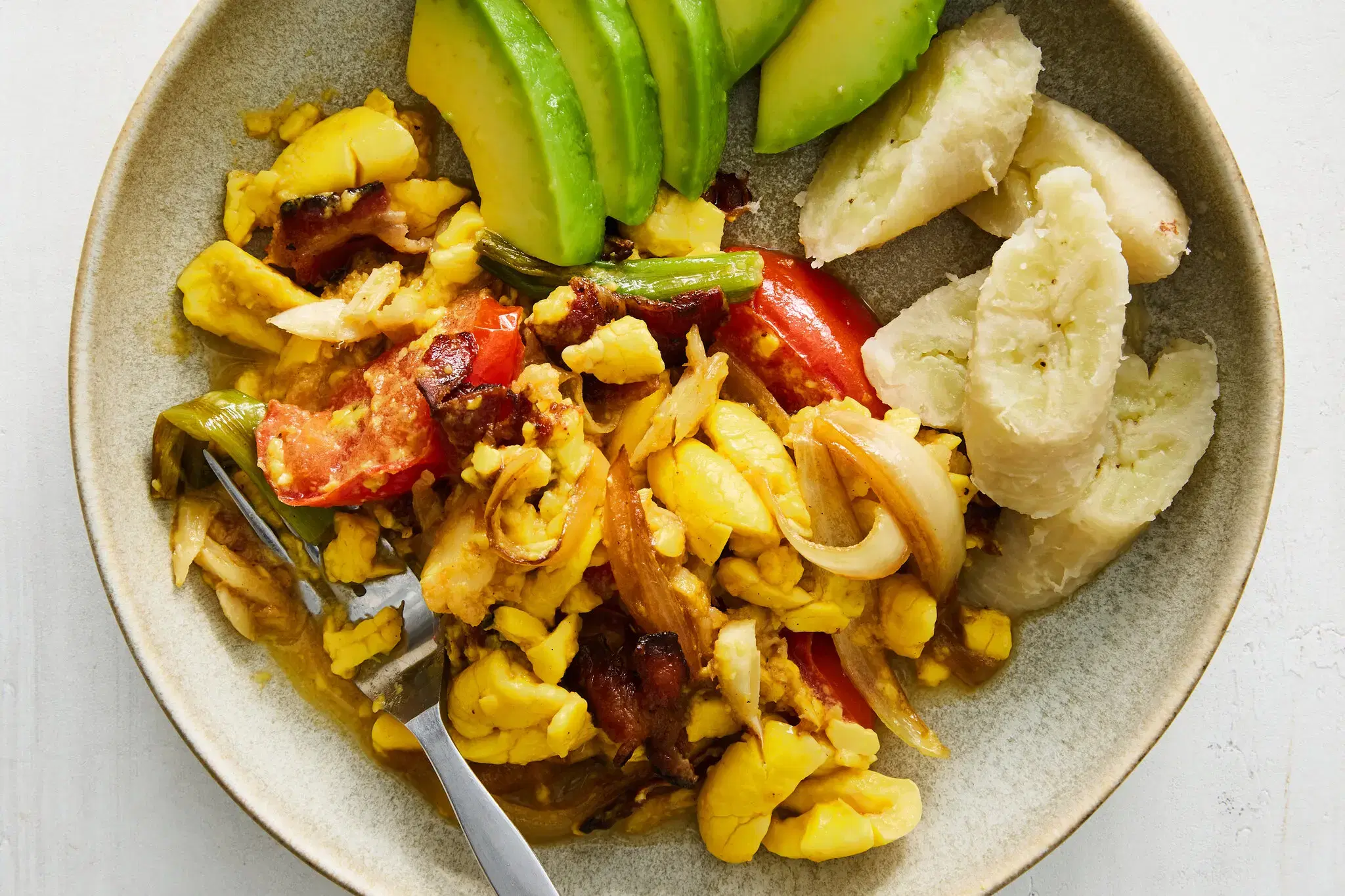
Ackee and Saltfish
Jamaica''s national dish — creamy ackee fruit sautéed with salted cod.

Bacalhau à Brás (Portuguese Salt Cod)
Shredded salt cod with crispy potatoes, scrambled eggs, and olives — Portugal's beloved comfort dish.

Baked Cod with Lemon and Dill
Baked cod with lemon, garlic, and fresh dill — light, flaky, and ready in 20 minutes.

Asian Chicken Lettuce Wraps
Asian chicken lettuce wraps with savory ground chicken, water chestnuts, and hoisin in butter lettuce.