sides · potatoes
Patatas Bravas
Crispy fried potatoes with spicy tomato sauce and garlic aioli — Spain's most popular tapa.

Nutrition (per serving)
320
Calories
5g
Protein
42g
Carbs
16g
Fat
4g
Fiber
Ingredients
For the potatoes:
For the bravas sauce:
For the aioli:
Method
-
Make the bravas sauce by heating olive oil in a saucepan over medium heat. Add garlic and cook 30 seconds. Add both paprikas and stir for 15 seconds — off the heat if needed to prevent burning. Add crushed tomatoes, sugar, and salt. Simmer for 15 minutes until thickened. Stir in sherry vinegar. Blend until smooth if desired (some versions are chunky, some smooth). The sauce should be smoky, slightly spicy, and tangy.
-
Make the aioli by mixing mayonnaise, grated garlic, lemon juice, and salt. Refrigerate until serving. The garlic should be raw and pungent — that's the point of aioli.
-
First fry the potatoes at 325°F for 8-10 minutes until cooked through but still pale. They should be soft when pierced with a knife. Transfer to a wire rack.
-
Second fry at 375°F for 3-5 minutes until deeply golden and crispy. The irregular shapes mean some edges will be extra crispy while the centers stay creamy — this textural contrast is what makes bravas addictive. Season immediately with flaky sea salt.
-
Plate by piling the hot potatoes on a plate or in a shallow bowl. Drizzle the bravas sauce generously over the top, then zigzag the aioli across. The red-and-white pattern is the classic presentation.
-
Serve immediately with toothpicks or small forks. In Spain, patatas bravas are served at every tapas bar — they're the universal crowd-pleaser, ordered at every table alongside beer or vermouth.
Equipment
- Deep pot or Dutch oven for frying Recommended: Lodge 6-Quart Enameled Cast Iron Dutch Oven
- Instant-read thermometer Recommended: ThermoWorks ThermoPop 2
- Saucepan Recommended: Cuisinart Chef's Classic 3-Quart Saucepan
- Wire rack Recommended: Checkered Chef Stainless Steel Wire Rack
- Blender Recommended: Ninja Professional Plus Blender
Chef Notes
- The most important thing: Cut the potatoes into irregular chunks, not uniform cubes. The irregular shapes create more surface area and more crispy edges. In Spain, bravas potatoes are rustic — perfect cubes look wrong.
- Double-fry the potatoes: 325°F first to cook through, 375°F second to crisp. This is the same technique as Belgian frites and gives you potatoes that are creamy inside and shattering outside.
- The bravas sauce should be smoky, slightly spicy, and tangy. The smoked paprika (pimentón) is essential — it's what makes bravas sauce taste Spanish. Don't substitute with regular paprika.
- Serve both sauces — the spicy red bravas sauce and the creamy white aioli. The contrast of hot-and-cool, spicy-and-creamy is the whole point.
- In Madrid, every bar has its own bravas recipe. This is a classic version, but there's no single "correct" recipe.
Common Substitutions
| Ingredient | Substitution | Notes |
|---|---|---|
| Yukon Gold potatoes | Russet potatoes | Crispier exterior but less creamy inside |
| Smoked paprika (pimentón) | Regular paprika + pinch liquid smoke | Not the same depth but approximates the flavor |
| Sherry vinegar | Red wine vinegar | Less complex but provides the necessary acidity |
| Homemade aioli | Store-bought garlic aioli | Add extra fresh garlic to boost it |
| Deep frying | Oven-roasting at 425°F, 35-40 min | Toss in oil, roast on a sheet pan — less crispy but easier |
What You're Practicing
Patatas bravas teaches you the double-fry technique for perfect fried potatoes — the same method behind Belgian frites, British chips, and French fries. Low temperature first to cook the interior, high temperature second to crisp the exterior. This two-stage approach is the universal secret to crispy-outside, creamy-inside fried potatoes. Visit Techniques for frying fundamentals.
The bravas sauce teaches you how smoked paprika (pimentón) functions as a flavor backbone in Spanish cooking. Pimentón appears in chorizo, romesco, and dozens of Spanish stews. Understanding how a single spice can define an entire cuisine's flavor profile is a powerful insight.
Video Resources
Some equipment and ingredient links are affiliate links. We earn a small commission at no extra cost to you. Learn more
Comments (0)
Sign in to commentNo comments yet. Be the first to share your thoughts.
Frequently Asked Questions
- Can I make Patatas Bravas ahead of time?
- Yes — prep the components up to a day ahead and store covered in the refrigerator. Reheat gently or bring to room temperature before serving.
- How do I store leftover Patatas Bravas?
- Store in an airtight container in the refrigerator for 3-4 days. Most sides reheat well in the oven at 350°F for 10-15 minutes.
- Can I freeze Patatas Bravas?
- Most cooked sides freeze well for 2-3 months. Soups and stews freeze especially well. Avoid freezing dishes with high dairy content — they can separate when thawed.
- How many servings does this recipe make?
- This recipe serves 4. You can scale the ingredients up or down proportionally — use the Meal Plan servings slider to adjust the grocery list automatically.
- Is Patatas Bravas dairy free and gluten free and vegetarian?
- Yes — this recipe is dairy free and gluten free and vegetarian. Check the Common Substitutions section for additional dietary adaptations.
- Is this an authentic Spanish recipe?
- This recipe follows traditional Spanish techniques and ingredients. The Chef Notes section explains any adaptations for home kitchen accessibility and suggests authentic alternatives where substitutions are made.
- What substitutions can I make for Patatas Bravas?
- See the Common Substitutions section above for ingredient and equipment swaps with specific trade-off notes for each alternative.
You Might Also Like

Baba Ganoush
Baba ganoush with charred eggplant and tahini — smoky, creamy, and deeply savory.

Baked Sweet Potato Fries
Baked sweet potato fries with a cornstarch coating for crispy edges and sriracha mayo for dipping.

Braised Collard Greens
Braised collard greens slow-simmered with bacon, vinegar, and chicken stock until silky tender.
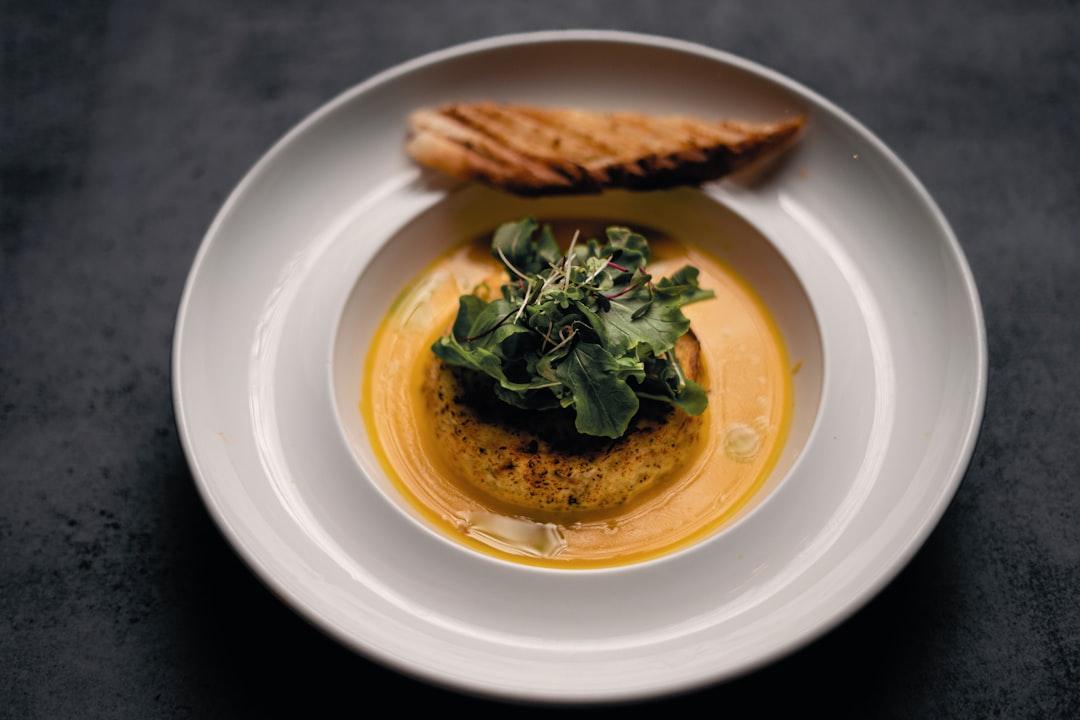
Butternut Squash Bisque with Sage Brown Butter
Silky roasted squash soup finished with a sage brown butter drizzle. Teaches the purée soup method and the liaison technique.