mains · beef
Vietnamese Pho (Beef Noodle Soup)
Aromatic beef broth with rice noodles, rare sliced beef, and fresh herbs — Vietnam's iconic soup.

Nutrition (per serving)
480
Calories
35g
Protein
52g
Carbs
14g
Fat
2g
Fiber
Ingredients
For the broth:
For the bowls:
For the herb plate:
Method
-
Parboil the bones by placing the beef bones and chuck/brisket in a large stockpot, covering with cold water, and bringing to a rolling boil. Boil for 10 minutes — the water will turn gray and foamy. Drain, rinse the bones under cold water, and scrub the pot clean. This step removes impurities and blood that would cloud the broth. It's extra work but non-negotiable for clear pho broth.
-
Char the onion and ginger by placing them cut-side down directly on a gas burner flame (or under a broiler) for 5-7 minutes until deeply blackened on the cut surfaces. The charring caramelizes the sugars and adds a smoky depth that defines pho broth. Don't skip this — it's the difference between pho that tastes like home and pho that tastes like beef soup.
-
Toast the spices in a dry skillet over medium heat for 2 minutes, shaking occasionally, until fragrant and slightly darkened. Place them in a spice bag or cheesecloth tied with string (makes removal easier later).
-
Build the broth by returning the cleaned bones and chuck to the pot with 10 cups fresh water. Add the charred onion and ginger, toasted spice bag, sugar, and fish sauce. Bring to a boil, then immediately reduce to the gentlest possible simmer — barely a bubble breaking the surface. Skim any foam that rises during the first 30 minutes. Simmer for 3-4 hours. The low, gentle heat extracts collagen from the bones without emulsifying the fat, keeping the broth clear.
-
Remove the chuck after 1.5-2 hours (when it's tender but not falling apart). Slice it thinly for the bowls. Continue simmering the bones for the remaining time. The longer the bones simmer, the more body and richness the broth develops.
-
Strain the broth through a fine-mesh strainer lined with cheesecloth. Discard the bones, spices, and aromatics. Taste and adjust — add more fish sauce for salt and umami, more sugar for sweetness. The broth should be aromatic, clean, and slightly sweet with a deep beef flavor.
-
Assemble the bowls by cooking the soaked rice noodles in boiling water for 30 seconds (they're already softened from soaking). Drain and divide among bowls. Top with sliced cooked chuck and raw sliced sirloin. Ladle the boiling-hot broth over the bowls — the heat cooks the raw beef instantly, turning it from red to pink. Top with sliced onion and scallions.
-
Serve with the herb plate — Thai basil, cilantro, bean sprouts, lime wedges, chiles, hoisin, and sriracha. In Vietnam, pho is customized at the table. Each person adds herbs, squeezes lime, and adjusts the seasoning to their taste. The fresh herbs and lime transform the rich broth into something bright and alive.
Equipment
- Large stockpot Also good: Winware Stainless Steel 16-Qt Stockpot
- Fine-mesh strainer Recommended: Winco 8-Inch Stainless Steel Fine Mesh Strainer
- Ladle Recommended: OXO Good Grips Stainless Steel Ladle
- Stockpot Recommended: Tramontina 12-Quart Stainless Steel Stock Pot
- Tongs Also good: Wok Spatula
Chef Notes
- The most important thing: Char the onion and ginger directly over a gas flame or under a broiler until blackened. This step adds a deep, smoky sweetness to the broth that's impossible to achieve any other way. It's the single technique that separates restaurant pho from homemade.
- Toast the whole spices (star anise, cloves, cinnamon, coriander) in a dry skillet for 2 minutes until fragrant. Toasting activates their essential oils and prevents the broth from tasting like raw spice powder.
- Skim the broth obsessively during the first 30 minutes. The scum that rises to the surface is coagulated blood proteins — if you don't remove it, the broth will be cloudy and taste muddy instead of clean and clear.
- The raw sliced beef cooks in the hot broth when you pour it over the bowl. Slice it paper-thin (freeze for 20 minutes first to firm it up). The beef should turn from red to pink in seconds — that's the right temperature.
- Pho broth should taste clean, aromatic, and slightly sweet. If it tastes flat, add more fish sauce. If it tastes heavy, add a squeeze of lime.
Common Substitutions
| Ingredient | Substitution | Notes |
|---|---|---|
| Beef bones | Chicken carcasses | Makes pho ga (chicken pho) — simmer 1.5 hrs instead of 3-4 |
| Star anise | Fennel seeds (1 tsp) | Similar anise flavor but less intense |
| Fish sauce | Soy sauce + pinch of sugar | Loses the fermented depth — add gradually |
| Rice noodles | Zucchini noodles | Low-carb option — add directly to the hot broth |
| Thai basil | Italian basil | Less anise flavor — still adds freshness |
| Eye of round (raw slices) | Cooked brisket slices only | Safer if you're uncomfortable with raw beef in hot broth |
What You're Practicing
Pho broth is a masterclass in stock-making: extracting flavor, body, and clarity from bones through long, gentle simmering. The techniques here — parboiling to remove impurities, charring aromatics for depth, toasting spices, skimming obsessively, and maintaining a bare simmer — are the same principles behind French consommé, Japanese dashi, and Chinese superior stock. Understanding how to build a clear, deeply flavored broth from bones is one of the most fundamental skills in cooking. Visit Stocks for the complete guide.
The herb plate teaches you about finishing a dish with raw, fresh elements that contrast the cooked components. The hot, rich broth meets cold, crisp herbs and sharp lime — this contrast of temperature, texture, and flavor is what makes pho so satisfying. The same principle appears in Mexican tacos (fresh cilantro and lime on braised meat), Thai curries (fresh basil on hot curry), and Japanese ramen (raw scallions on hot broth). See Techniques for more.
Video Resources
Some equipment and ingredient links are affiliate links. We earn a small commission at no extra cost to you. Learn more
Comments (0)
Sign in to commentNo comments yet. Be the first to share your thoughts.
Frequently Asked Questions
- Can I make Vietnamese Pho (Beef Noodle Soup) ahead of time?
- Yes — prep the components up to a day ahead and store covered in the refrigerator. Reheat gently or bring to room temperature before serving.
- How do I store leftover Vietnamese Pho (Beef Noodle Soup)?
- Store in an airtight container in the refrigerator for 3-4 days. Reheat gently over medium-low heat, adding a splash of broth or water to prevent drying out.
- Can I freeze Vietnamese Pho (Beef Noodle Soup)?
- Yes — most cooked mains freeze well for up to 3 months. Cool completely, store in freezer-safe containers, and thaw overnight in the refrigerator before reheating.
- How many servings does this recipe make?
- This recipe serves 6. You can scale the ingredients up or down proportionally — use the Meal Plan servings slider to adjust the grocery list automatically.
- Why does Vietnamese Pho (Beef Noodle Soup) take so long?
- This recipe takes 3 hours because low-and-slow cooking breaks down tough connective tissue into tender, flavorful gelatin. The hands-on time is much shorter — most of the cook time is unattended.
- Is Vietnamese Pho (Beef Noodle Soup) dairy free and gluten free and high protein?
- Yes — this recipe is dairy free and gluten free and high protein. Check the Common Substitutions section for additional dietary adaptations.
- Is this an authentic Vietnamese recipe?
- This recipe follows traditional Vietnamese techniques and ingredients. The Chef Notes section explains any adaptations for home kitchen accessibility and suggests authentic alternatives where substitutions are made.
- What substitutions can I make for Vietnamese Pho (Beef Noodle Soup)?
- See the Common Substitutions section above for ingredient and equipment swaps with specific trade-off notes for each alternative.
You Might Also Like

Bacalhau à Brás (Portuguese Salt Cod)
Shredded salt cod with crispy potatoes, scrambled eggs, and olives — Portugal's beloved comfort dish.
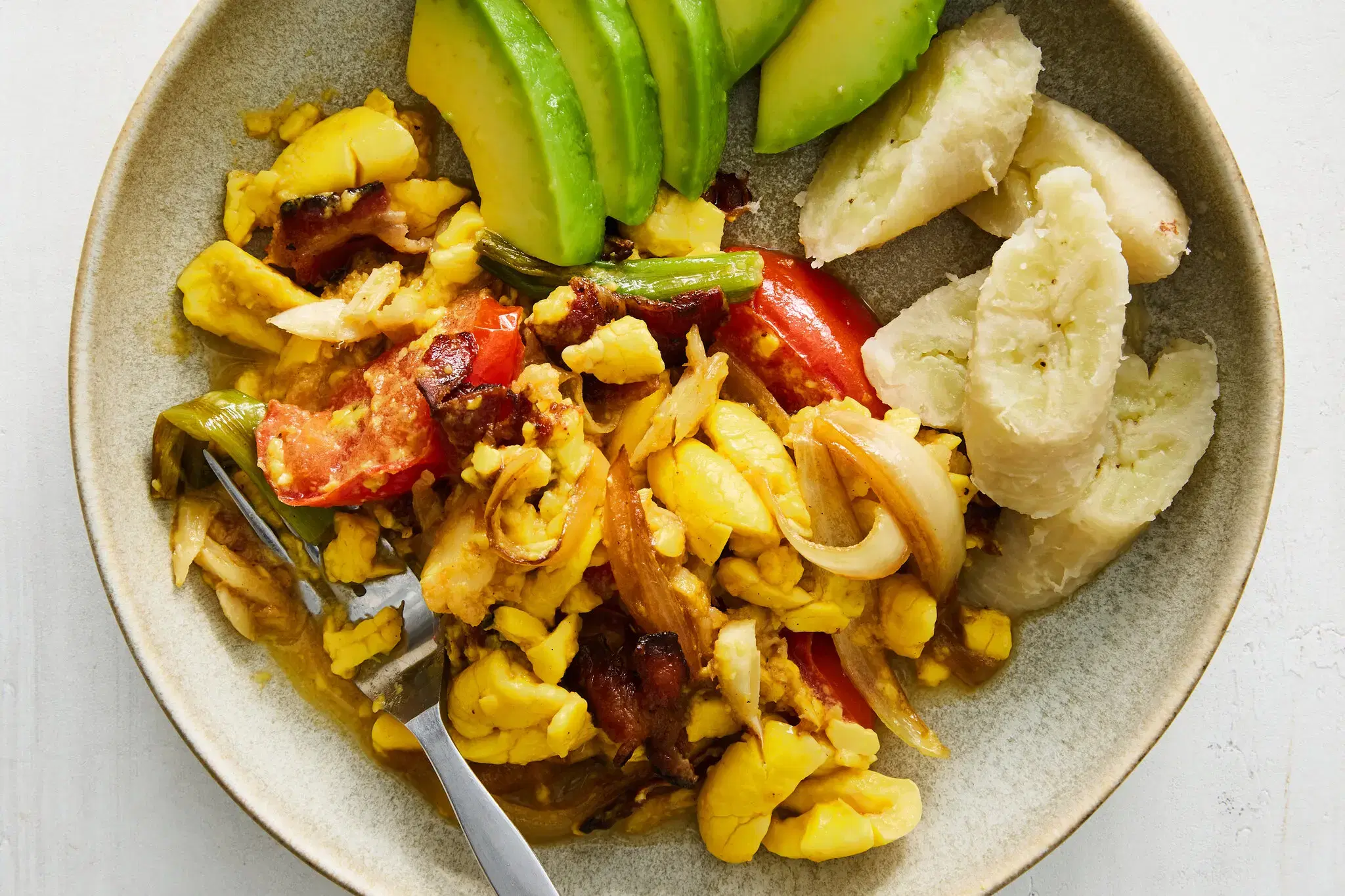
Ackee and Saltfish
Jamaica''s national dish — creamy ackee fruit sautéed with salted cod.

American BBQ Ribs (Oven-to-Grill)
Fall-off-the-bone pork ribs with a spice rub and sticky BBQ glaze — no smoker required.

Australian Meat Pie
Flaky pastry filled with savory beef and gravy — Australia's iconic handheld comfort food.