mains · Seafood
Jambalaya
The touchstone cuisines of Western cooking — fresh pasta, cassoulet, charcuterie, and the traditions of France and Italy.

Nutrition (per serving)
340
Calories
28g
Protein
14g
Carbs
18g
Fat
2g
Fiber
Ingredients
Method
-
Brown proteins: Heat oil in Dutch oven over medium-high. Brown sausage 4 min, remove. Season and brown chicken 4 min, remove. (Shrimp goes in at the end.)
-
Holy trinity: In the same pot, cook onion, bell pepper, and celery 6 min. Add garlic, 1 min. This is the Cajun/Creole equivalent of mirepoix — onion, celery, bell pepper instead of carrot.
-
Build: Add Creole seasoning, stir 1 min. Add tomatoes, stock, rice, and bay leaves. Return sausage and chicken. Stir once.
-
Cook: Bring to a boil, reduce to low, cover tightly. Cook 20–25 min until rice is tender and liquid is absorbed. Do not lift the lid or stir during this time.
-
Finish: Nestle shrimp into the top of the rice, cover, cook 5 min until pink and curled. Remove bay leaves. Fluff with fork.
-
Serve: Garnish with scallions and hot sauce.
Equipment
- Dutch oven Recommended: Lodge 6-Quart Enameled Cast Iron Dutch Oven · Also good: Lodge 6-Quart Enameled Cast Iron Dutch Oven
- Tongs Also good: Wok Spatula
- Cutting board Recommended: John Boos Maple Edge-Grain Cutting Board 18x12
- Mixing bowls Recommended: Vollrath Stainless Steel Mixing Bowls Set
Chef Notes
- The most important thing: 165°F internal for breast, 175°F for thighs. Thighs are more forgiving — they stay juicy even slightly overcooked.
- Let the oven fully preheat — at least 15 minutes. An under-heated oven produces pale, steamed food instead of caramelized, roasted food.
- This recipe improves overnight as the flavors meld. Make it a day ahead if you can — it's even better reheated.
- Taste as you go and adjust seasoning at the end. Salt levels change as liquids reduce and flavors concentrate.
Common Substitutions
| Ingredient | Substitution | Notes |
|---|---|---|
| Chicken thighs | Chicken breast or turkey thighs | Breast is leaner — reduce cook time. |
| Shrimp | Scallops or firm tofu | Scallops: sear 2 min/side. Tofu: press and pan-fry. |
| Sausage | Ground meat with same seasonings | Season ground pork to match the sausage style. |
| Rice | Cauliflower rice or quinoa | Cauliflower for low-carb. Quinoa for more protein. |
| Dutch oven | Heavy-bottomed pot with tight lid | Any heavy pot works — the tight lid is essential. |
What You're Learning
- The "holy trinity" (onion, celery, bell pepper) — a regional adaptation of the mirepoix concept
- One-pot rice technique: the rice absorbs all the flavors as it cooks
- Protein timing: dense proteins go in early, delicate shrimp at the very end
- Creole vs. Cajun: this is Creole-style (with tomatoes); Cajun jambalaya omits them
- Regional American cuisine built on French foundations (Louisiana's culinary heritage)
Foundations Referenced
- → Chicken Stock
- → Mirepoix concept (adapted: the Cajun "holy trinity")
What You're Practicing
Sautéing is the workhorse technique of home cooking — high heat, a small amount of fat, and constant motion. The French word means "to jump," and that's exactly what the food should do in the pan. This technique transfers to every cuisine and every ingredient. Visit Techniques for more on stovetop methods.
Every recipe you cook builds muscle memory and sensory awareness — knowing what a proper sear sounds like, what a finished sauce looks like, how a done protein feels. These instincts develop through repetition and attention, and they transfer across every dish and cuisine you'll encounter.
Some equipment and ingredient links are affiliate links. We earn a small commission at no extra cost to you. Learn more
Comments (0)
Sign in to commentNo comments yet. Be the first to share your thoughts.
Frequently Asked Questions
- Can I make Jambalaya ahead of time?
- Yes. overnight as the flavors meld.
- How do I store leftover Jambalaya?
- Store in an airtight container in the refrigerator for 3-4 days. Reheat gently over medium-low heat, adding a splash of broth or water to prevent drying out.
- Can I freeze Jambalaya?
- Yes — most cooked mains freeze well for up to 3 months. Cool completely, store in freezer-safe containers, and thaw overnight in the refrigerator before reheating.
- How many servings does this recipe make?
- This recipe serves 4. You can scale the ingredients up or down proportionally — use the Meal Plan servings slider to adjust the grocery list automatically.
- Is Jambalaya dairy free and gluten free and high protein and keto?
- Yes — this recipe is dairy free and gluten free and high protein and keto. Check the Common Substitutions section for additional dietary adaptations.
- Is this an authentic French recipe?
- This recipe follows traditional French techniques and ingredients. The Chef Notes section explains any adaptations for home kitchen accessibility and suggests authentic alternatives where substitutions are made.
- What substitutions can I make for Jambalaya?
- See the Common Substitutions section above for ingredient and equipment swaps with specific trade-off notes for each alternative.
You Might Also Like
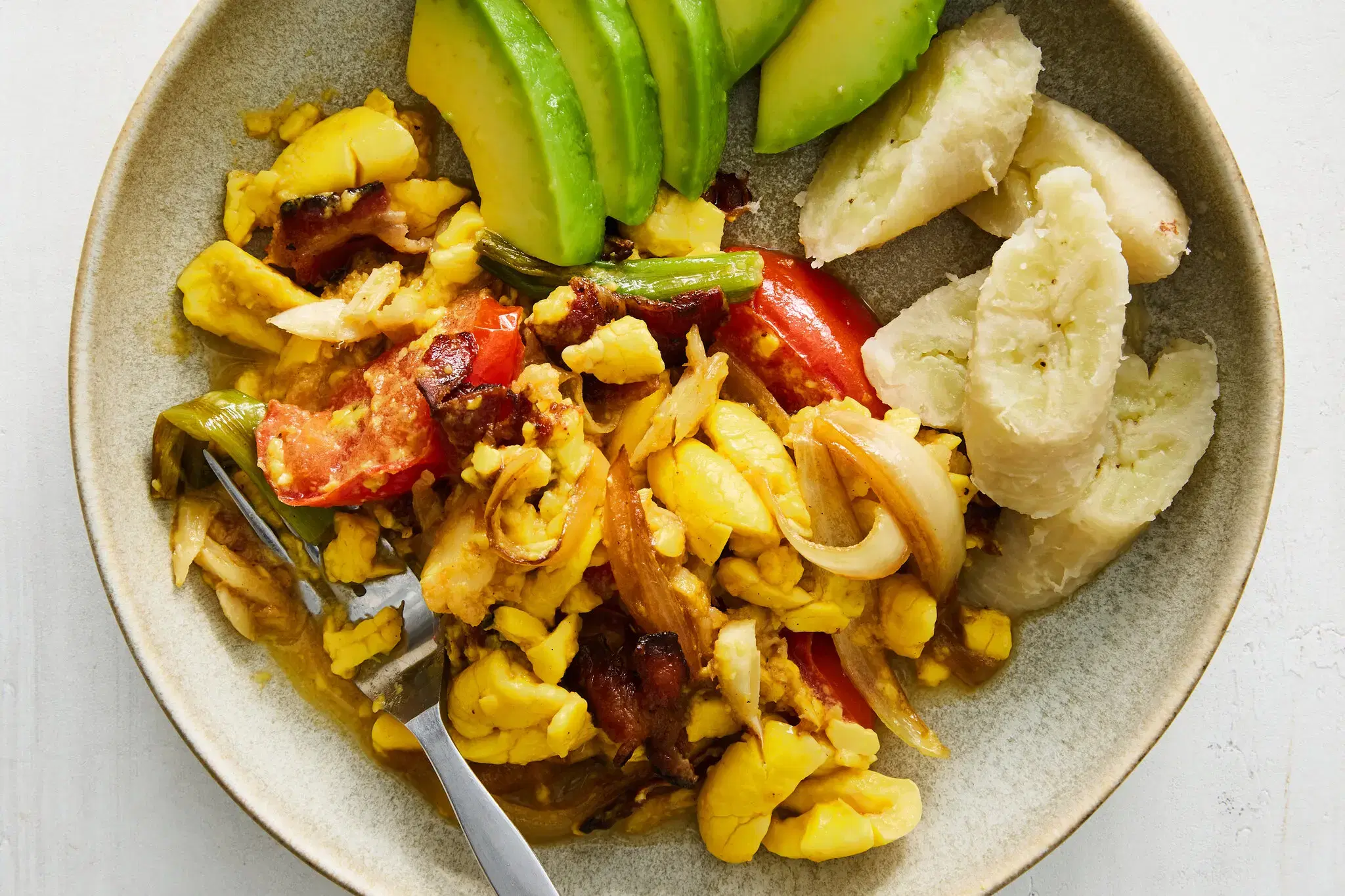
Ackee and Saltfish
Jamaica''s national dish — creamy ackee fruit sautéed with salted cod.

Asian Chicken Lettuce Wraps
Asian chicken lettuce wraps with savory ground chicken, water chestnuts, and hoisin in butter lettuce.

Baked Cod with Lemon and Dill
Baked cod with lemon, garlic, and fresh dill — light, flaky, and ready in 20 minutes.
Baja-Style Fish Tacos (Tilapia)
Baja-Style Fish Tacos (Tilapia) — a Mexican main dish Ready in 30 minutes. Perfect for weeknight cooking. Quick and easy.