sides · soup
Sambar (South Indian Lentil and Vegetable Stew)
Sambar with toor dal, tamarind, and seasonal vegetables. A tangy South Indian stew for rice or dosa.

Nutrition (per serving)
195
Calories
11g
Protein
30g
Carbs
5g
Fat
7g
Fiber
Ingredients
For the dal:
For the sambar:
For the tadka:
Method
-
Cook the toor dal in a saucepan with 3 cups water and turmeric. Bring to a boil, skim foam, then simmer for 25-30 minutes until completely soft and mushy. Mash with the back of a spoon or whisk until smooth. Set aside.
-
Prepare the tamarind. If using tamarind pulp, soak in warm water for 15 minutes, then squeeze and strain to extract the liquid, discarding the solids. If using paste, dissolve 1 tbsp in 1/2 cup warm water. Tamarind provides the signature sour backbone of sambar — it's not optional.
-
Cook the vegetables. Add the cut vegetables, onion, and tomatoes to a pot with 2 cups of water. Bring to a boil and cook for 10-12 minutes until the vegetables are tender but not falling apart. The vegetables should hold their shape — they'll continue cooking in the sambar.
-
Add the cooked dal to the vegetables along with the tamarind water, sambar powder, chili powder, salt, and jaggery. Stir well and simmer for 10 minutes, allowing everything to meld. The consistency should be like a thin stew — thinner than dal but thicker than soup. Add water if needed.
-
Prepare the tadka. Heat coconut oil in a small skillet over medium-high heat. Add mustard seeds — when they pop, add cumin seeds, dried chiles, curry leaves, and asafoetida. The curry leaves will splatter violently, so stand back. Fry for 15 seconds until fragrant.
-
Pour the tadka into the sambar and stir. The sizzle and aroma when the tempered spices hit the stew is the hallmark of South Indian cooking. Simmer for 2 more minutes, taste for salt and sourness, and adjust.
-
Serve hot over steamed rice or alongside dosa, idli, or vada. Garnish with fresh cilantro. Sambar is the everyday comfort food of South India — it appears at nearly every meal.
Equipment
- Large saucepan or Dutch oven Recommended: Lodge 6-Quart Enameled Cast Iron Dutch Oven · Also good: Lodge 6-Quart Enameled Cast Iron Dutch Oven
- Small skillet for tadka Also good: Tramontina Professional 10-Inch Non Stick Frying Pan
- Fine-mesh strainer (if using tamarind pulp) Recommended: Winco 8-Inch Stainless Steel Fine Mesh Strainer
Chef Notes
- The most important thing: The balance between tamarind's sourness and jaggery's sweetness defines sambar. Taste and adjust — it should be tangy first, with a subtle sweetness that rounds the edges.
- Sambar powder is not the same as curry powder. It's a specific South Indian spice blend heavy on coriander, cumin, fenugreek, and dried chiles. Available at Indian grocery stores or Amazon.
- Use whatever vegetables are in season. Traditional choices include drumstick (moringa), okra, eggplant, and pearl onions. Carrot and potato work well for beginners.
- Asafoetida (hing) adds a savory depth that's hard to replace. Use just a pinch — it's potent.
- Sambar improves overnight. Make a double batch.
Common Substitutions
| Ingredient | Substitution | Notes |
|---|---|---|
| Toor dal | Red lentils | Cooks faster, slightly different texture but works well |
| Tamarind paste | 2 tbsp lemon juice + 1 tsp brown sugar | Approximates the sour-sweet balance but lacks tamarind's depth |
| Sambar powder | 1 tsp coriander + 1/2 tsp cumin + 1/4 tsp fenugreek + 1/4 tsp chili | A rough approximation — real sambar powder is worth buying |
| Coconut oil | Neutral oil or ghee | Coconut oil is traditional and adds subtle sweetness |
| Asafoetida | Omit | Nothing truly replaces it, but the sambar will still be good |
What You're Practicing
Sambar teaches you to build a complex dish from layers: the dal base, the vegetable component, the tamarind acid, and the tadka finish. Each layer adds a different dimension — protein, texture, sourness, and aromatic heat. This layered approach to building flavor is the foundation of all South Indian cooking and transfers to any stew or soup. Visit Spice Blends for more on spice layering.
The tadka technique here reinforces what you learned in Dal Tadka — blooming spices in hot fat — but adds the complexity of timing multiple spice additions. Mustard seeds first (they need the most heat), then cumin, then aromatics. This sequencing principle applies whenever you're building a spice base. Explore more at Techniques.
Video Resources
Some equipment and ingredient links are affiliate links. We earn a small commission at no extra cost to you. Learn more
Comments (0)
Sign in to commentNo comments yet. Be the first to share your thoughts.
Frequently Asked Questions
- Can I make Sambar (South Indian Lentil and Vegetable Stew) ahead of time?
- Yes. overnight.
- How do I store leftover Sambar (South Indian Lentil and Vegetable Stew)?
- Store in an airtight container in the refrigerator for 3-4 days. Most sides reheat well in the oven at 350°F for 10-15 minutes.
- Can I freeze Sambar (South Indian Lentil and Vegetable Stew)?
- Most cooked sides freeze well for 2-3 months. Soups and stews freeze especially well. Avoid freezing dishes with high dairy content — they can separate when thawed.
- How many servings does this recipe make?
- This recipe serves 6. You can scale the ingredients up or down proportionally — use the Meal Plan servings slider to adjust the grocery list automatically.
- Is Sambar (South Indian Lentil and Vegetable Stew) vegetarian and vegan and gluten free and dairy free?
- Yes — this recipe is vegetarian and vegan and gluten free and dairy free. Check the Common Substitutions section for additional dietary adaptations.
- Is this an authentic Indian recipe?
- This recipe follows traditional Indian techniques and ingredients. The Chef Notes section explains any adaptations for home kitchen accessibility and suggests authentic alternatives where substitutions are made.
- What substitutions can I make for Sambar (South Indian Lentil and Vegetable Stew)?
- See the Common Substitutions section above for ingredient and equipment swaps with specific trade-off notes for each alternative.
You Might Also Like

Baba Ganoush
Baba ganoush with charred eggplant and tahini — smoky, creamy, and deeply savory.

Bigos (Polish Hunter's Stew)
Bigos — Poland's national stew of sauerkraut, fresh cabbage, and smoked meats. Better every day it sits.
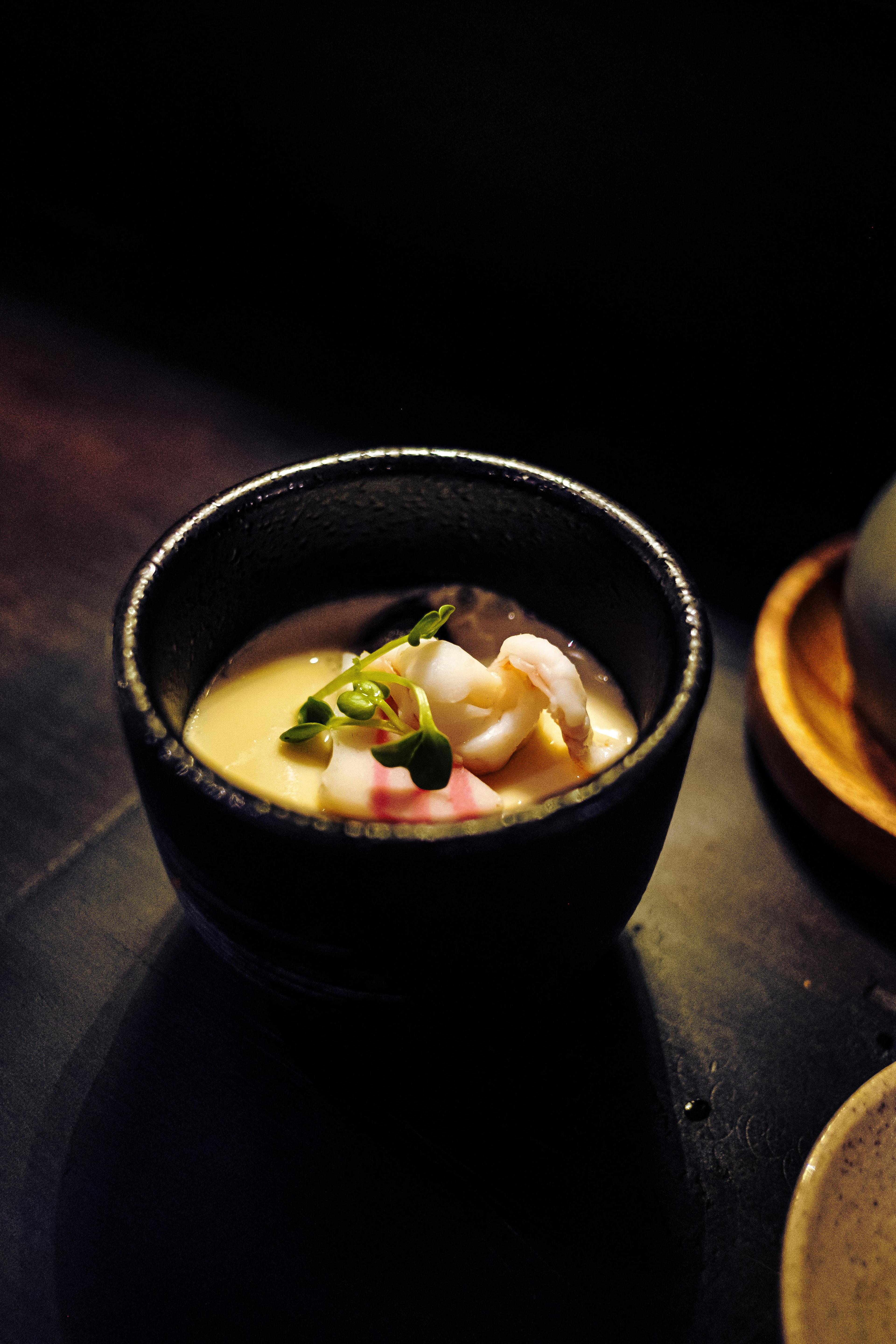
Chawanmushi (Japanese Savory Egg Custard)
Chawanmushi — a silky Japanese steamed egg custard with shrimp, chicken, and mushroom hidden inside.
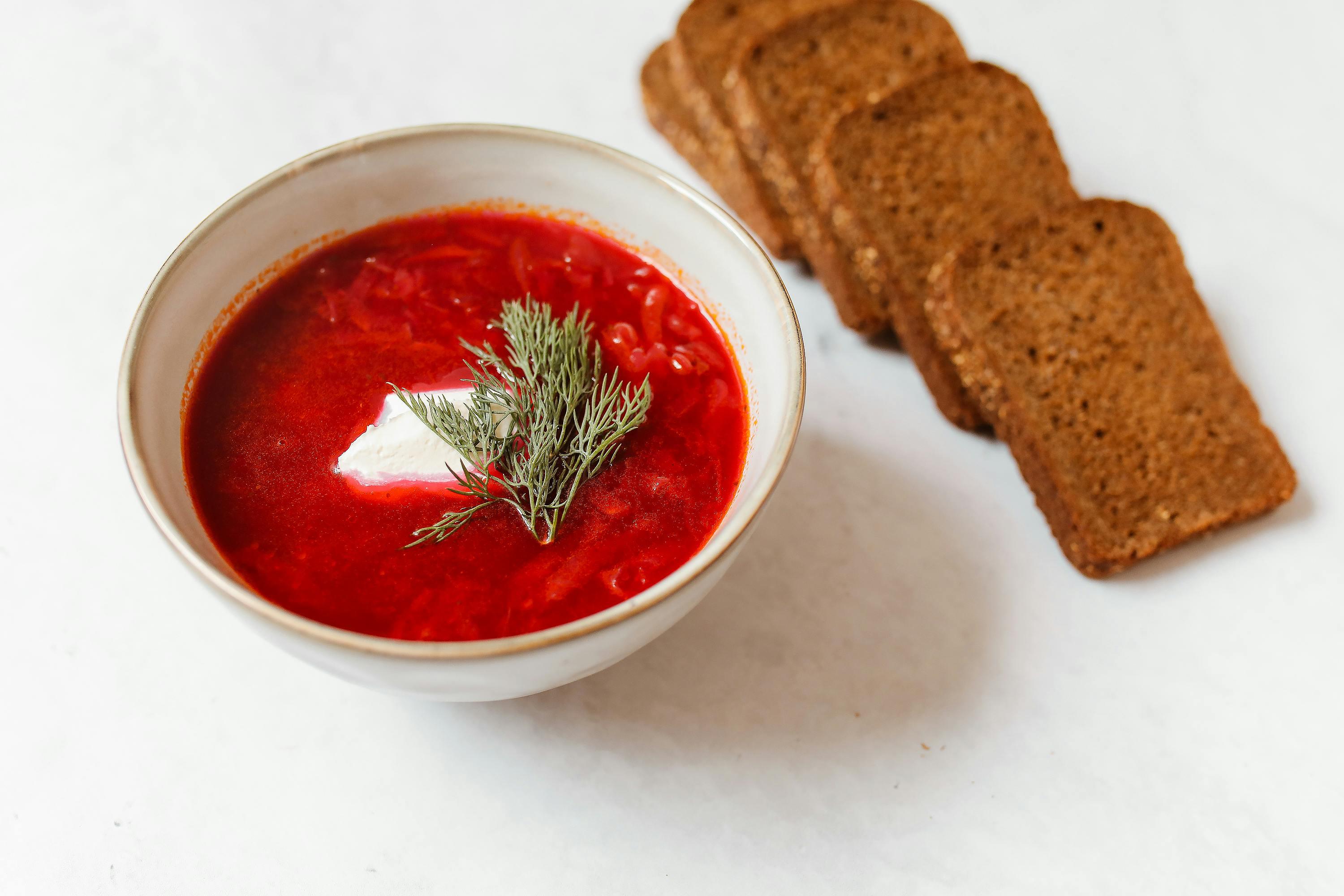
Borscht (Ukrainian Beet Soup)
Ukrainian borscht with beets, cabbage, and a dollop of sour cream. A one-pot comfort soup that feeds a crowd.