sides
White Beans with Rosemary and Garlic
Creamy cannellini beans braised with rosemary, garlic, and olive oil — a Tuscan staple, simple and satisfying.

Nutrition (per serving)
280
Calories
8g
Protein
32g
Carbs
14g
Fat
4g
Fiber
Ingredients
Method
-
Infuse the oil by heating olive oil over medium-low heat. Add sliced garlic and cook 2-3 minutes until golden. Add rosemary sprigs and red pepper flakes, cook 30 seconds.
Slice against the grain for tenderness. The grain is the direction of the muscle fibers — cutting across them shortens the fibers, making each bite more tender.
Slice against the grain for tenderness. The grain is the direction of the muscle fibers — cutting across them shortens the fibers, making each bite more tender.
-
Add the beans and broth. Mash about 1/4 of the beans against the side of the pan. Simmer 10 minutes until the liquid reduces to a creamy sauce.
A simmer means small bubbles gently breaking the surface — not a rolling boil. Aggressive boiling toughens proteins and causes sauces to reduce too quickly, concentrating flavors unevenly.
A simmer means small bubbles gently breaking the surface — not a rolling boil. Aggressive boiling toughens proteins and causes sauces to reduce too quickly, concentrating flavors unevenly.
-
Finish with lemon juice, salt, and pepper. Remove rosemary sprigs. Drizzle with extra olive oil.
Salt early and throughout the cooking process. Salt added at the beginning penetrates the food; salt added at the end sits on the surface. Both are important, but the foundation matters most.
Salt early and throughout the cooking process. Salt added at the beginning penetrates the food; salt added at the end sits on the surface. Both are important, but the foundation matters most.
-
Serve with crusty bread for scooping. In Tuscany, beans are so central to the cuisine that Tuscans are called "mangiafagioli" (bean eaters).
Serve immediately while the textures and temperatures are at their peak. Most dishes begin declining the moment they leave the heat — crispy things soften, sauces thicken, and aromatics fade.
Serve immediately while the textures and temperatures are at their peak. Most dishes begin declining the moment they leave the heat — crispy things soften, sauces thicken, and aromatics fade.
Equipment
- Large skillet Recommended: Joyce Chen 14-Inch Carbon Steel Wok
- Wooden spoon Recommended: Riveira Olive Wood Cooking Spoons Set
Chef Notes
- The most important thing: Cook the garlic gently in olive oil until golden — not brown. Golden garlic is sweet and nutty. Brown garlic is bitter. This garlic-infused oil is the sauce.
- Mash about 1/4 of the beans against the side of the pan. The mashed beans thicken the broth into a creamy sauce without adding any thickener.
- Fresh rosemary is essential — dried rosemary is too woody and doesn't infuse the same way. Add the whole sprigs and remove before serving.
- A squeeze of lemon at the end brightens everything. Don't skip it.
- In Tuscany, this is served as a side, on toast (bruschetta), or as a main with a fried egg on top.
Common Substitutions
| Ingredient | Substitution | Notes |
|---|---|---|
| Cannellini beans | Great Northern or navy beans | Both are white beans — similar texture |
| Fresh rosemary | Fresh sage | Equally Tuscan — different flavor |
| Chicken broth | Water | Lighter — the beans and olive oil provide enough flavor |
| Canned beans | Dried beans (soaked overnight, boiled 1 hr) | Better texture — worth the effort |
What You're Practicing
Tuscan white beans teach you the Italian approach to legume cookery — gentle simmering in olive oil with aromatics. The mashing technique (crushing some beans to thicken the sauce) appears in Brazilian feijoada, Indian dal, and any bean dish where you want a creamy consistency without adding cream. Visit Techniques for more.
Video Resources
Some equipment and ingredient links are affiliate links. We earn a small commission at no extra cost to you. Learn more
Comments (0)
Sign in to commentNo comments yet. Be the first to share your thoughts.
Frequently Asked Questions
- Can I make White Beans with Rosemary and Garlic ahead of time?
- Yes. overnight, boiled 1 hr) | Better texture — worth the effort | ## What You're Practicing Tuscan white beans teach you the Italian approach to legume cookery — gentle simmering in olive oil with aromatics.
- How do I store leftover White Beans with Rosemary and Garlic?
- Store in an airtight container in the refrigerator for 3-4 days. Most sides reheat well in the oven at 350°F for 10-15 minutes.
- Can I freeze White Beans with Rosemary and Garlic?
- Most cooked sides freeze well for 2-3 months. Soups and stews freeze especially well. Avoid freezing dishes with high dairy content — they can separate when thawed.
- How many servings does this recipe make?
- This recipe serves 4. You can scale the ingredients up or down proportionally — use the Meal Plan servings slider to adjust the grocery list automatically.
- Is White Beans with Rosemary and Garlic dairy free and gluten free?
- Yes — this recipe is dairy free and gluten free. Check the Common Substitutions section for additional dietary adaptations.
- Is this an authentic Italian recipe?
- This recipe follows traditional Italian techniques and ingredients. The Chef Notes section explains any adaptations for home kitchen accessibility and suggests authentic alternatives where substitutions are made.
- What substitutions can I make for White Beans with Rosemary and Garlic?
- See the Common Substitutions section above for ingredient and equipment swaps with specific trade-off notes for each alternative.
You Might Also Like

Baba Ganoush
Baba ganoush with charred eggplant and tahini — smoky, creamy, and deeply savory.

Baked Sweet Potato Fries
Baked sweet potato fries with a cornstarch coating for crispy edges and sriracha mayo for dipping.

Braised Collard Greens
Braised collard greens slow-simmered with bacon, vinegar, and chicken stock until silky tender.
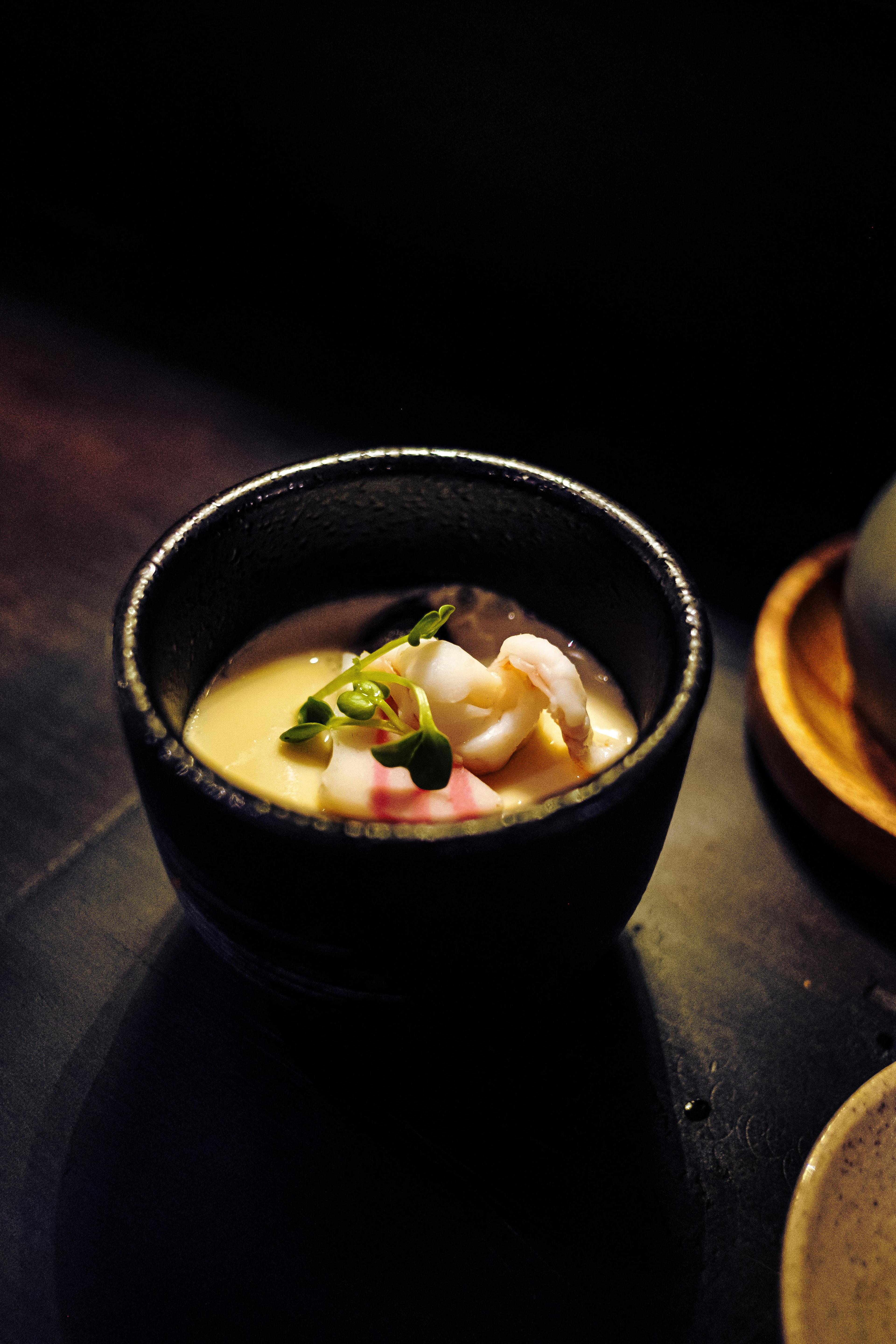
Chawanmushi (Japanese Savory Egg Custard)
Chawanmushi — a silky Japanese steamed egg custard with shrimp, chicken, and mushroom hidden inside.