mains · seafood
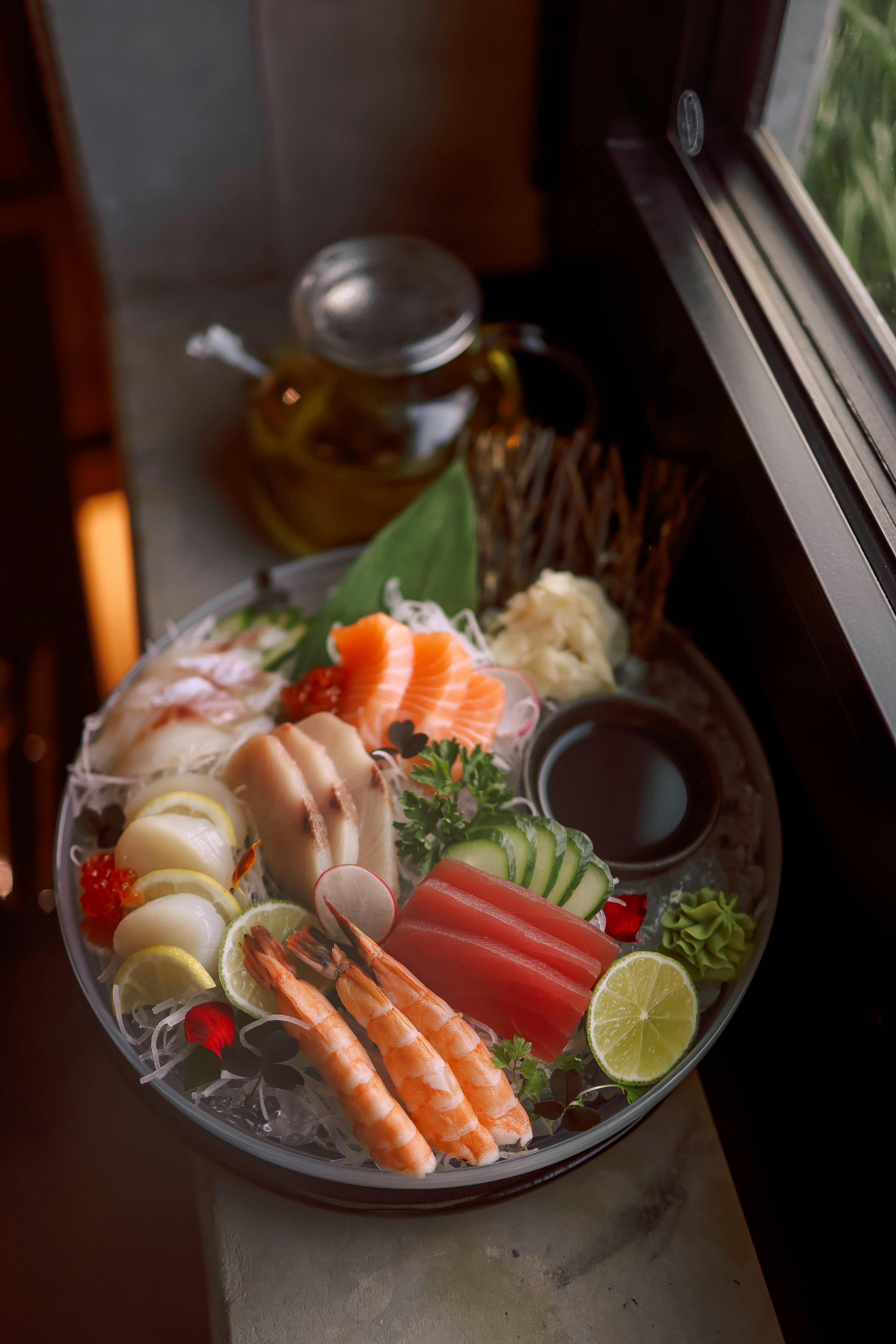
Sashimi Platter (Seasonal Fish Selection)
A composed sashimi platter with salmon, tuna, and yellowtail. Knife technique, presentation, and the art of raw fish.
Nutrition (per serving)
220
Calories
34g
Protein
2g
Carbs
8g
Fat
0g
Fiber
Ingredients
Method
-
Source sushi-grade fish. This is the most important step and it happens at the fish counter, not the cutting board. Sushi-grade means the fish has been frozen to -4°F for 7 days (or -31°F for 15 hours) to kill parasites. Ask your fishmonger specifically for sushi-grade — don't assume fresh fish is safe for raw consumption. The quality of sashimi is 90% sourcing and 10% knife work.
-
Prepare the tsuma (garnish). Using a sharp knife or mandoline, cut the daikon into paper-thin sheets, then julienne into fine threads. Soak in ice water for 10 minutes — the cold makes the daikon curl and become crisp. This bed of shredded daikon isn't just decoration; it provides a cool, crunchy contrast to the silky fish and absorbs excess moisture.
-
Slice the salmon using a single, smooth pulling motion with a very sharp knife. Angle the blade at about 30 degrees and draw it toward you in one stroke — don't saw back and forth. Each slice should be about 1/4 inch thick and 2 inches long. The single-stroke cut (called hira-zukuri) produces a clean surface that reflects light and feels silky on the tongue. A ragged, sawed surface tastes different — rougher and less refined.
-
Slice the tuna using the same technique. Tuna is denser than salmon, so you may need slightly more pressure, but the motion is identical — one smooth pull. Aim for the same 1/4-inch thickness. Consistency across all three fish is what makes a sashimi platter look professional.
-
Slice the yellowtail. Hamachi is softer than tuna and fattier than salmon — it requires the lightest touch. Let the weight of the knife do the work. If the fish sticks to the blade, wipe the blade with a damp cloth between slices. A clean blade produces clean cuts.
-
Compose the platter. Place a mound of drained daikon threads on one side of a serving plate or wooden board. Arrange the sashimi in groups by fish — 5-6 slices of each, slightly overlapping, fanned in a gentle curve. Place shiso leaves between the groups as dividers. Add a small mound of wasabi, a pile of pickled ginger, and lemon wedges. The presentation follows the Japanese principle of odd numbers and asymmetry — nothing centered, nothing perfectly symmetrical.
-
Serve immediately with individual dishes of soy sauce. Each diner places a small amount of wasabi in their soy sauce dish (or directly on the fish), picks up a slice with chopsticks, dips lightly in soy sauce, and eats in one bite. In kaiseki dining, the sashimi course (mukōzuke) is the moment that showcases the chef's knife skills and the quality of the fish — it's the most honest course, with nothing to hide behind.
Equipment
- Very sharp knife (yanagiba or chef's knife, minimum 8-inch) Recommended: Victorinox Fibrox Pro 8-Inch Chef's Knife
- Cutting board Recommended: John Boos Maple Edge-Grain Cutting Board 18x12
- Mandoline (for daikon) Recommended: Mandoline slicer
- Serving platter or wooden board
Chef Notes
- The most important thing: Your knife must be razor-sharp. A dull knife tears fish fibers instead of cutting them cleanly, producing ragged surfaces that affect both appearance and texture. Sharpen before you start.
- Keep the fish refrigerated until the moment you slice. Warm fish is soft, difficult to cut, and loses its clean flavor. Work quickly.
- The single-stroke pull cut is the defining technique. Practice on salmon first — it's the most forgiving. Never saw back and forth.
- Sashimi is traditionally served as the third course of a kaiseki meal (mukōzuke), after the appetizer and seasonal platter. It's the purest expression of the chef's skill.
- If you can't find three varieties, a single-fish sashimi plate is equally traditional. Quality over variety.
Common Substitutions
| Ingredient | Substitution | Notes |
|---|---|---|
| Yellowtail | Fluke (hirame) or sea bream (tai) | Both are traditional sashimi fish |
| Fresh wasabi | Prepared wasabi paste | Real wasabi is rare outside Japan — paste is standard |
| Shiso leaves | Mint leaves | Different flavor but provides the same herbal contrast |
| Daikon threads | Thinly sliced cucumber | Less traditional but provides similar crunch |
What You're Practicing
Sashimi teaches the most fundamental knife skill in Japanese cooking — the single-stroke pull cut (hira-zukuri). This technique, where the blade draws through the fish in one smooth motion without sawing, produces a surface that's visually clean and texturally silky. The same cutting discipline applies to any delicate ingredient where the quality of the cut affects the eating experience. Visit Techniques for more on Japanese knife techniques.
The plating here teaches Japanese aesthetic principles — asymmetry, odd numbers, negative space, and the contrast between colors and textures. These composition skills transfer to plating any dish in any cuisine. Visit Techniques for more on presentation and plating.
Some equipment and ingredient links are affiliate links. We earn a small commission at no extra cost to you. Learn more
Comments (0)
Sign in to commentNo comments yet. Be the first to share your thoughts.
Frequently Asked Questions
- Can I make Sashimi Platter (Seasonal Fish Selection) ahead of time?
- Yes — prep the components up to a day ahead and store covered in the refrigerator. Reheat gently or bring to room temperature before serving.
- How do I store leftover Sashimi Platter (Seasonal Fish Selection)?
- Store in an airtight container in the refrigerator for 3-4 days. Reheat gently over medium-low heat, adding a splash of broth or water to prevent drying out.
- Can I freeze Sashimi Platter (Seasonal Fish Selection)?
- Yes — most cooked mains freeze well for up to 3 months. Cool completely, store in freezer-safe containers, and thaw overnight in the refrigerator before reheating.
- How many servings does this recipe make?
- This recipe serves 4. You can scale the ingredients up or down proportionally — use the Meal Plan servings slider to adjust the grocery list automatically.
- Is Sashimi Platter (Seasonal Fish Selection) a quick recipe?
- Yes — this recipe is ready in 30 minutes including prep time, making it perfect for busy weeknights.
- Is Sashimi Platter (Seasonal Fish Selection) gluten free and dairy free and high protein?
- Yes — this recipe is gluten free and dairy free and high protein. Check the Common Substitutions section for additional dietary adaptations.
- Is this an authentic Japanese recipe?
- This recipe follows traditional Japanese techniques and ingredients. The Chef Notes section explains any adaptations for home kitchen accessibility and suggests authentic alternatives where substitutions are made.
- What substitutions can I make for Sashimi Platter (Seasonal Fish Selection)?
- See the Common Substitutions section above for ingredient and equipment swaps with specific trade-off notes for each alternative.
You Might Also Like

Bacalhau à Brás (Portuguese Salt Cod)
Shredded salt cod with crispy potatoes, scrambled eggs, and olives — Portugal's beloved comfort dish.
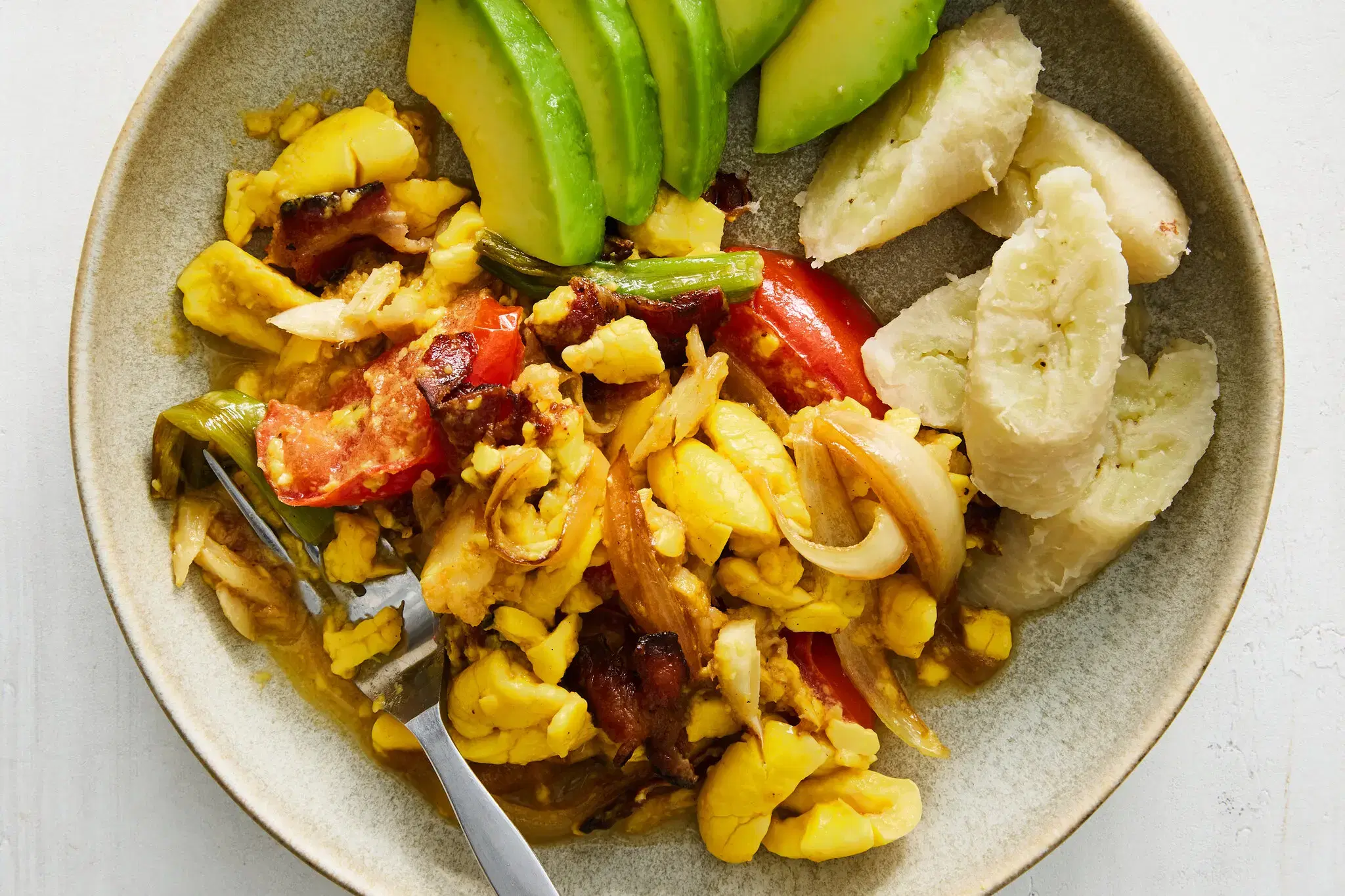
Ackee and Saltfish
Jamaica''s national dish — creamy ackee fruit sautéed with salted cod.

Baked Cod with Lemon and Dill
Baked cod with lemon, garlic, and fresh dill — light, flaky, and ready in 20 minutes.

American BBQ Ribs (Oven-to-Grill)
Fall-off-the-bone pork ribs with a spice rub and sticky BBQ glaze — no smoker required.