mains · mixed
Cajun Jambalaya
One-pot rice with andouille sausage, chicken, and shrimp in a spicy Cajun tomato base — Louisiana comfort food.

Nutrition (per serving)
520
Calories
32g
Protein
48g
Carbs
20g
Fat
3g
Fiber
Ingredients
For the jambalaya:
Method
-
Brown the chicken by seasoning the pieces with Cajun seasoning, salt, and pepper. Heat oil in a Dutch oven over medium-high heat. Sear the chicken for 3-4 minutes until browned on all sides — it doesn't need to be cooked through. Remove and set aside.
-
Brown the sausage in the same pot for 3-4 minutes until the edges are caramelized and the sausage has released its smoky fat. Remove and set aside with the chicken. The pot now has fond from both proteins — this is your flavor base.
-
Cook the holy trinity by adding the onion, celery, and bell pepper to the pot. Cook for 5-6 minutes, scraping up the fond, until the vegetables are softened. Add the garlic, smoked paprika, and cayenne. Cook for 1 minute until fragrant.
-
Add the tomatoes and broth. Stir in the diced tomatoes, chicken broth, and bay leaves. Bring to a boil. Return the chicken and sausage to the pot.
-
Add the rice, stir once to distribute evenly, then cover with a tight-fitting lid. Reduce heat to low and cook for 20-25 minutes without lifting the lid or stirring. The rice absorbs the broth and cooks in the Cajun-spiced liquid, picking up flavor from every ingredient in the pot.
-
Add the shrimp by nestling them into the rice, covering, and cooking for 5 more minutes until the shrimp are pink and curled. Remove from heat and let sit covered for 5 minutes. The residual steam finishes cooking the rice and shrimp.
-
Fluff with a fork, remove the bay leaves, and fold in the sliced scallions. Taste and adjust seasoning — jambalaya should be well-seasoned and slightly spicy. Serve in deep bowls with hot sauce on the side.
Equipment
- Dutch oven or heavy-bottomed pot with lid Recommended: Lodge 6-Quart Enameled Cast Iron Dutch Oven
- Wooden spoon Recommended: Riveira Olive Wood Cooking Spoons Set
- Tongs Also good: Wok Spatula
Chef Notes
- The most important thing: Don't stir the rice after you add it. Stirring releases starch and makes the rice gummy. Add the rice, stir once to distribute, then cover and leave it alone. The rice cooks in the flavorful broth and absorbs all the Cajun seasoning.
- Brown the chicken and sausage first, then build the dish in the same pot. The fond from browning the proteins is the flavor foundation — don't skip this step.
- The holy trinity (onion, celery, bell pepper) is non-negotiable in Cajun cooking. Each vegetable contributes a distinct flavor: onion for sweetness, celery for vegetal depth, bell pepper for brightness.
- Add the shrimp in the last 5 minutes. Shrimp cook in 3-4 minutes — adding them earlier makes them rubbery and overcooked.
- Cajun jambalaya (brown) is different from Creole jambalaya (red). This recipe is Cajun-Creole hybrid — it has tomatoes (Creole influence) but uses the Cajun browning technique.
Common Substitutions
| Ingredient | Substitution | Notes |
|---|---|---|
| Andouille sausage | Kielbasa or smoked sausage | Less spicy — add extra cayenne to compensate |
| Shrimp | Crawfish tails or extra chicken | Crawfish is traditional in Louisiana; chicken keeps it simple |
| Long-grain white rice | Converted (parboiled) rice | Converted rice is more forgiving — less likely to get mushy |
| Cajun seasoning | 1 tsp paprika + 1/2 tsp garlic powder + 1/4 tsp cayenne + 1/4 tsp thyme | A quick homemade blend |
| Dutch oven | Large skillet with lid | Works if the skillet is deep enough to hold the rice and liquid |
What You're Practicing
Jambalaya teaches you one-pot rice cooking — building layers of flavor in a single vessel, then adding rice to cook in the seasoned liquid. This same technique drives Spanish paella, West African jollof rice, and Indian biryani. The principle is universal: protein → aromatics → liquid → rice → steam. Visit Techniques for more on one-pot rice dishes.
The Cajun holy trinity (onion, celery, bell pepper) is the aromatic foundation of Louisiana cooking, just as mirepoix (onion, carrot, celery) is the foundation of French cooking. Understanding how different aromatic bases define regional cuisines — soffritto in Italian, sofrito in Spanish, refogado in Brazilian — makes you a more versatile cook. See Spice Blends for more.
Video Resources
Some equipment and ingredient links are affiliate links. We earn a small commission at no extra cost to you. Learn more
Comments (0)
Sign in to commentNo comments yet. Be the first to share your thoughts.
Frequently Asked Questions
- Can I make Cajun Jambalaya ahead of time?
- Yes — prep the components up to a day ahead and store covered in the refrigerator. Reheat gently or bring to room temperature before serving.
- How do I store leftover Cajun Jambalaya?
- Store in an airtight container in the refrigerator for 3-4 days. Reheat gently over medium-low heat, adding a splash of broth or water to prevent drying out.
- Can I freeze Cajun Jambalaya?
- Yes — most cooked mains freeze well for up to 3 months. Cool completely, store in freezer-safe containers, and thaw overnight in the refrigerator before reheating.
- How many servings does this recipe make?
- This recipe serves 8. You can scale the ingredients up or down proportionally — use the Meal Plan servings slider to adjust the grocery list automatically.
- Is Cajun Jambalaya dairy free and gluten free and high protein?
- Yes — this recipe is dairy free and gluten free and high protein. Check the Common Substitutions section for additional dietary adaptations.
- What substitutions can I make for Cajun Jambalaya?
- See the Common Substitutions section above for ingredient and equipment swaps with specific trade-off notes for each alternative.
You Might Also Like

Bacalhau à Brás (Portuguese Salt Cod)
Shredded salt cod with crispy potatoes, scrambled eggs, and olives — Portugal's beloved comfort dish.
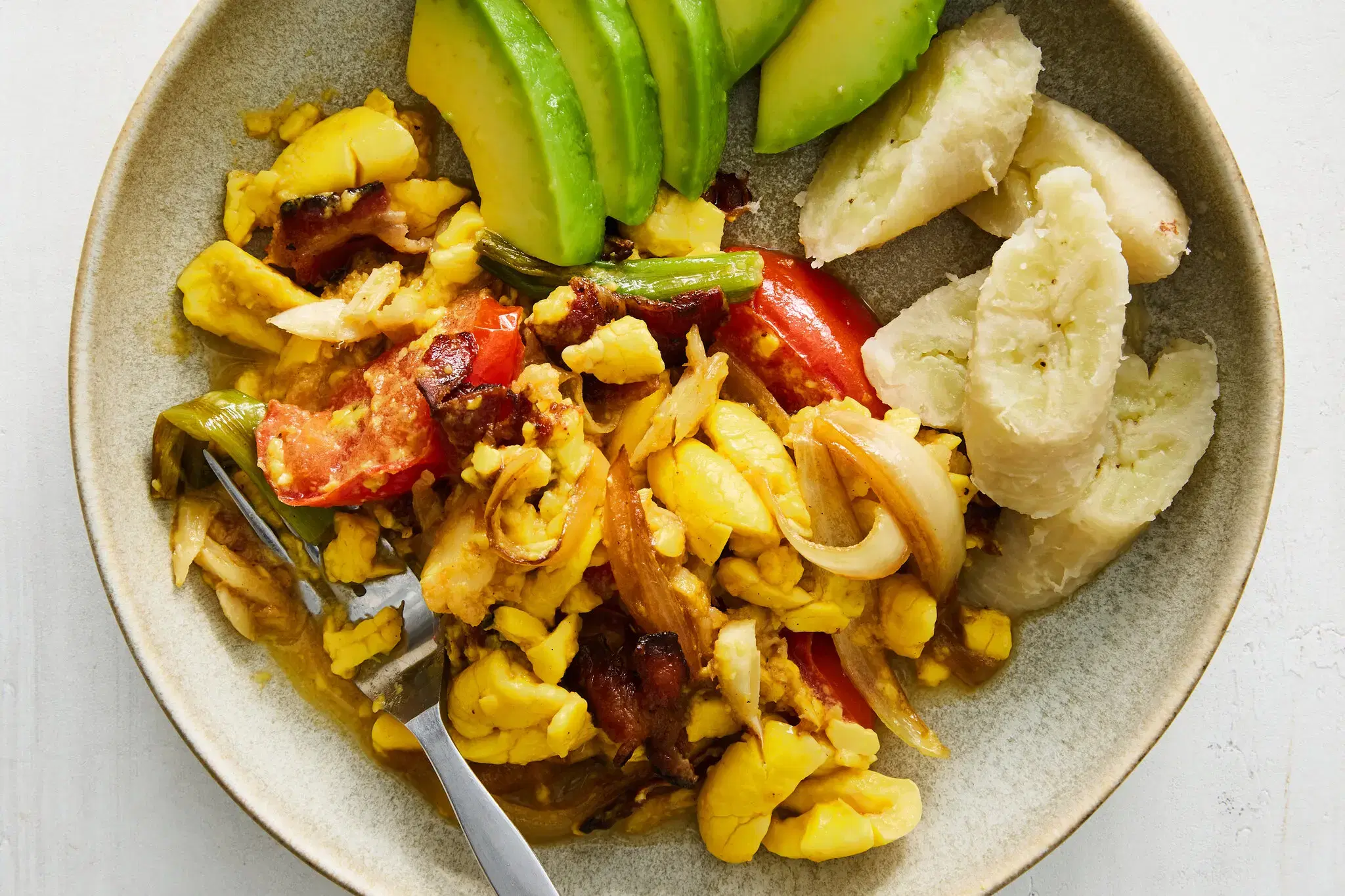
Ackee and Saltfish
Jamaica''s national dish — creamy ackee fruit sautéed with salted cod.

American BBQ Ribs (Oven-to-Grill)
Fall-off-the-bone pork ribs with a spice rub and sticky BBQ glaze — no smoker required.

Asian Chicken Lettuce Wraps
Asian chicken lettuce wraps with savory ground chicken, water chestnuts, and hoisin in butter lettuce.