mains · chicken
Paella Valenciana
Saffron rice with chicken, rabbit, and green beans cooked in a wide pan — Valencia's original paella.

Nutrition (per serving)
520
Calories
32g
Protein
52g
Carbs
20g
Fat
4g
Fiber
Ingredients
For the sofrito:
For the rice:
Method
-
Sear the meat by heating olive oil in a paella pan over medium-high heat. Season the chicken and rabbit with salt. Sear for 4-5 minutes per side until deeply browned. Remove and set aside. The fond on the bottom of the pan is the flavor foundation.
-
Cook the vegetables by adding green beans and lima beans to the pan. Sauté for 3-4 minutes. Add the grated tomato and cook for 5 minutes until the tomato darkens and the liquid evaporates. Add garlic and paprika, stir for 30 seconds.
-
Add the broth and return the seared meat to the pan. Add the bloomed saffron with its soaking liquid and rosemary sprigs. Bring to a boil and simmer for 20 minutes to build flavor in the broth. Taste and adjust salt — the broth should be well-seasoned because the rice absorbs it.
-
Add the rice by sprinkling it evenly across the pan in a thin layer. Shake the pan gently to distribute — do NOT stir. The rice should be submerged in about 1/2 inch of liquid. If needed, add a splash more hot broth.
-
Cook without stirring over medium heat for 18-20 minutes. The liquid will gradually absorb into the rice. Resist the urge to stir — the undisturbed rice develops the socarrat on the bottom. Rotate the pan occasionally for even heat if your burner is uneven.
-
Create the socarrat in the last 2-3 minutes by increasing heat to high. Listen for a crackling sound and smell for toasted rice. When you hear crackling and smell nuttiness (not burning), remove from heat immediately. The socarrat is a thin, golden-brown crust of caramelized rice on the bottom — it's the most prized part of the paella.
-
Rest for 5 minutes covered with a clean towel. This allows the last bit of moisture to absorb and the rice to firm up. Serve directly from the pan with lemon wedges. In Valencia, paella is eaten communally — everyone eats from the pan with a spoon, working from the outside in.
Equipment
- Paella pan (15-inch) or wide, shallow skillet Also good: Tramontina Professional 10-Inch Non Stick Frying Pan
- Tongs Also good: Wok Spatula
Chef Notes
- The most important thing: Do NOT stir the rice after adding it. Paella is not risotto. The rice should form a thin, even layer in the pan and cook undisturbed. Stirring releases starch and makes it gummy. The goal is distinct, separate grains with a crispy bottom layer (socarrat).
- Use bomba rice if you can find it. Bomba absorbs 3x its volume in liquid (vs. 2x for regular rice) without getting mushy. It's what makes paella rice firm and separate. Calasparra is the second choice. Arborio works but the texture is softer.
- The socarrat (crispy rice crust on the bottom) is the best part. In the last 2-3 minutes, increase heat to high and listen for a crackling sound. When you smell toasted rice (not burnt), it's ready. Scrape it up and serve it — in Valencia, the socarrat is fought over.
- Authentic Valencian paella has NO seafood. The original is chicken, rabbit, green beans, and lima beans. Seafood paella (paella de marisco) is a different dish from the coast.
- Use a wide, shallow pan. Paella should be no more than 1 inch deep. Deep rice steams instead of developing socarrat.
Common Substitutions
| Ingredient | Substitution | Notes |
|---|---|---|
| Rabbit | More chicken thighs | Rabbit is traditional but chicken-only paella is common |
| Bomba rice | Calasparra or Arborio | Arborio is softer — reduce broth by 1/2 cup |
| Saffron | 1/2 tsp turmeric | Color only — nothing substitutes saffron's flavor |
| Romano green beans | Regular green beans | Cut into 2-inch pieces — slightly thinner |
| Paella pan | Wide cast iron skillet or oven-safe skillet | Must be wide and shallow — depth is the enemy |
What You're Practicing
Paella teaches you the art of cooking rice without stirring — the opposite of risotto. The undisturbed rice develops socarrat (crispy bottom crust) through the Maillard reaction, while the top grains stay separate and fluffy. This same no-stir rice technique appears in Persian tahdig, Korean dolsot bibimbap, and Senegalese thieboudienne. Visit Techniques for more on rice cookery.
The sofrito technique (searing meat → cooking vegetables → adding grated tomato → building broth) is the foundation of Spanish cooking. This same sequence drives fideuà, arroz negro, and countless Spanish stews. Understanding the Spanish sofrito connects you to an entire cuisine's cooking logic. See Stocks for more on building flavor bases.
Video Resources
Some equipment and ingredient links are affiliate links. We earn a small commission at no extra cost to you. Learn more
Comments (0)
Sign in to commentNo comments yet. Be the first to share your thoughts.
Frequently Asked Questions
- Can I make Paella Valenciana ahead of time?
- Yes — prep the components up to a day ahead and store covered in the refrigerator. Reheat gently or bring to room temperature before serving.
- How do I store leftover Paella Valenciana?
- Store in an airtight container in the refrigerator for 3-4 days. Reheat gently over medium-low heat, adding a splash of broth or water to prevent drying out.
- Can I freeze Paella Valenciana?
- Yes — most cooked mains freeze well for up to 3 months. Cool completely, store in freezer-safe containers, and thaw overnight in the refrigerator before reheating.
- How many servings does this recipe make?
- This recipe serves 6. You can scale the ingredients up or down proportionally — use the Meal Plan servings slider to adjust the grocery list automatically.
- Is Paella Valenciana dairy free and gluten free and high protein?
- Yes — this recipe is dairy free and gluten free and high protein. Check the Common Substitutions section for additional dietary adaptations.
- Is this an authentic Spanish recipe?
- This recipe follows traditional Spanish techniques and ingredients. The Chef Notes section explains any adaptations for home kitchen accessibility and suggests authentic alternatives where substitutions are made.
- What substitutions can I make for Paella Valenciana?
- See the Common Substitutions section above for ingredient and equipment swaps with specific trade-off notes for each alternative.
You Might Also Like
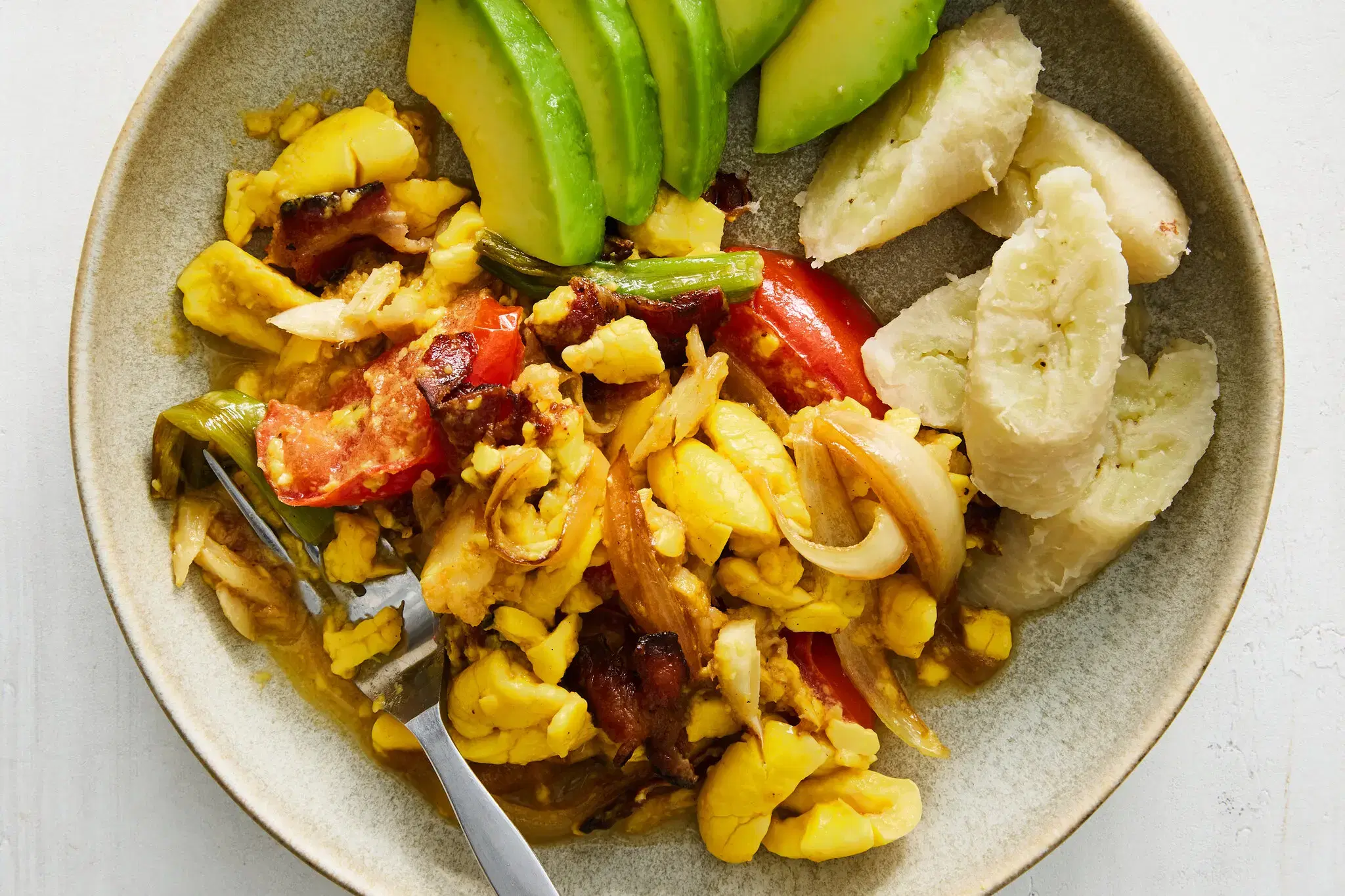
Ackee and Saltfish
Jamaica''s national dish — creamy ackee fruit sautéed with salted cod.

Bacalhau à Brás (Portuguese Salt Cod)
Shredded salt cod with crispy potatoes, scrambled eggs, and olives — Portugal's beloved comfort dish.

American BBQ Ribs (Oven-to-Grill)
Fall-off-the-bone pork ribs with a spice rub and sticky BBQ glaze — no smoker required.

Asian Chicken Lettuce Wraps
Asian chicken lettuce wraps with savory ground chicken, water chestnuts, and hoisin in butter lettuce.